Blog
Reimagining the Impossible: Why Young People Need Challenge Beyond the Classroom

Simon Cane-Hardy
Head, Gordonstoun
Read the blog
Education has long been expected to prepare young people not only for examinations, but for the complex world awaiting them beyond school. While academic success remains crucial, it is increasingly clear that helping students become adaptable, resilient and self-aware is just as important.
For this reason, educators must offer experiences that nudge students beyond their comfort zones, where discoveries about skill, character and unexpected interests often occur. It is in these moments of challenge that young people learn to succeed but, equally importantly, to cope with failure and try again.
The Case for a Broader Curriculum
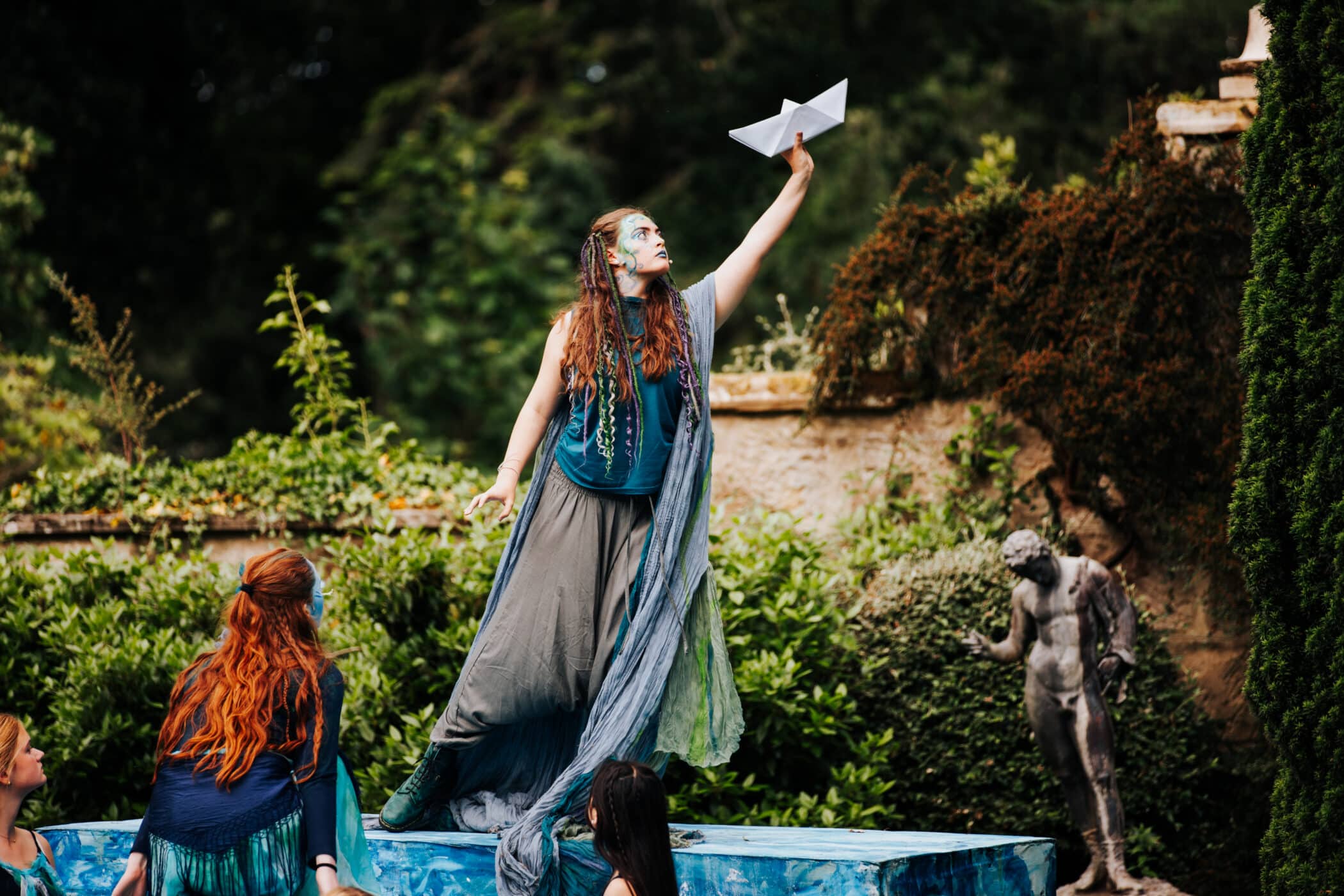
Creative arts, music, sport and outdoor education should stand alongside mathematics, science and the humanities as equal pillars of a well-rounded education. When students move across such varied environments, they develop different modes of thinking, collaboration and problem-solving.
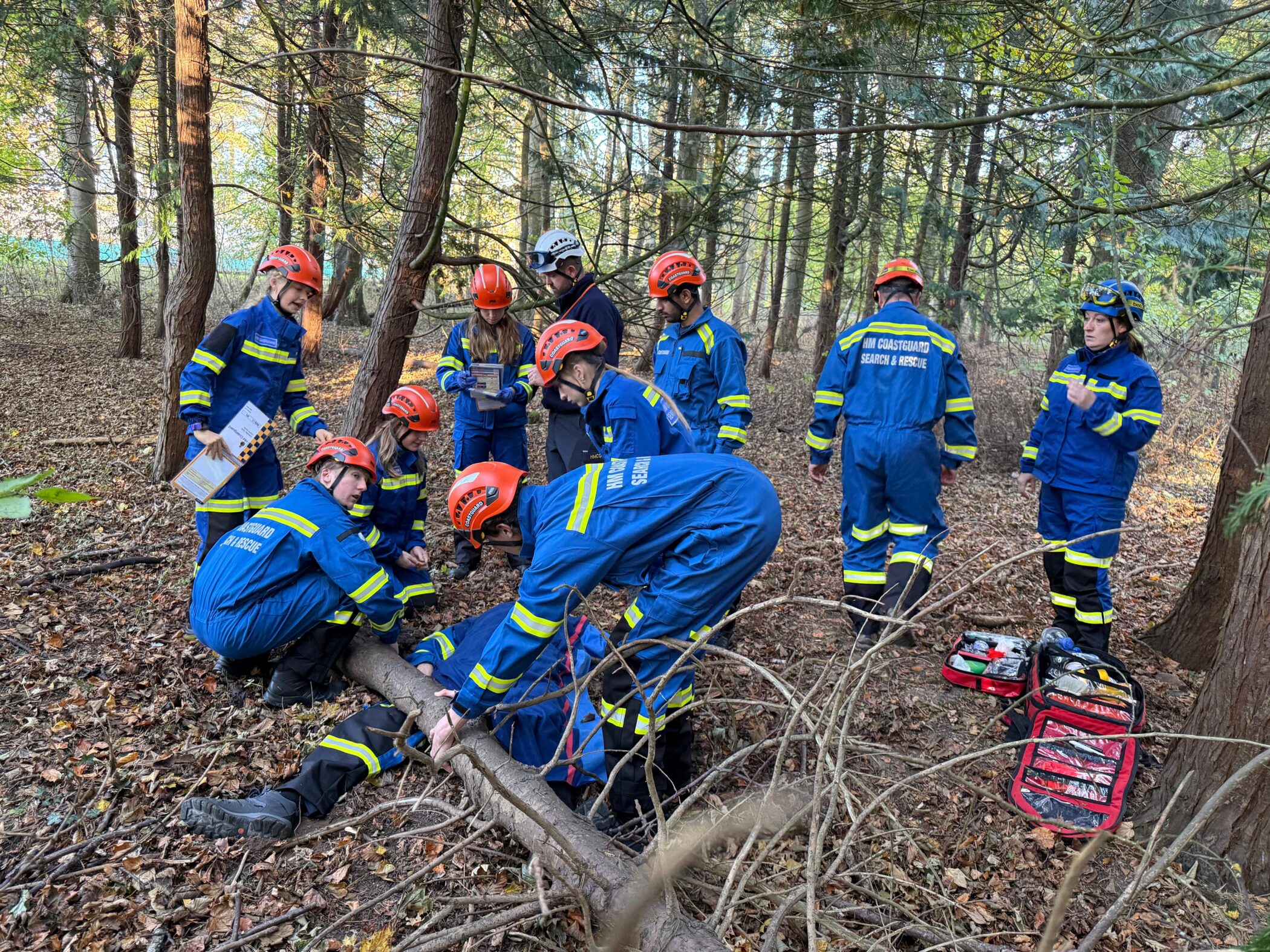
Some schools weave this breadth into their core structure. For example, at Gordonstoun, all senior students take part in one of eight rescue and community services, from fire and water rescue to conservation and HM Coastguards. Experiences like these can spark interests in areas young people might never previously have considered, including emergency response, humanitarian work and environmental protection.
Finding Purpose Through Real Experience
Practical learning is not limited to service. Music programmes that ensure every child can learn an instrument can ignite new ambitions. In some cases, students go on to study at conservatoires or pursue careers in the creative industries, pathways first opened by early, broad exposure.
Similarly, partnerships with professional organisations, for instance, culinary schools offering industry-recognised qualifications such as Leith’s at Gordonstoun, can introduce students to careers in catering, patisserie or food innovation. When learning is rooted in real experience, young people see tangible avenues for their passions.
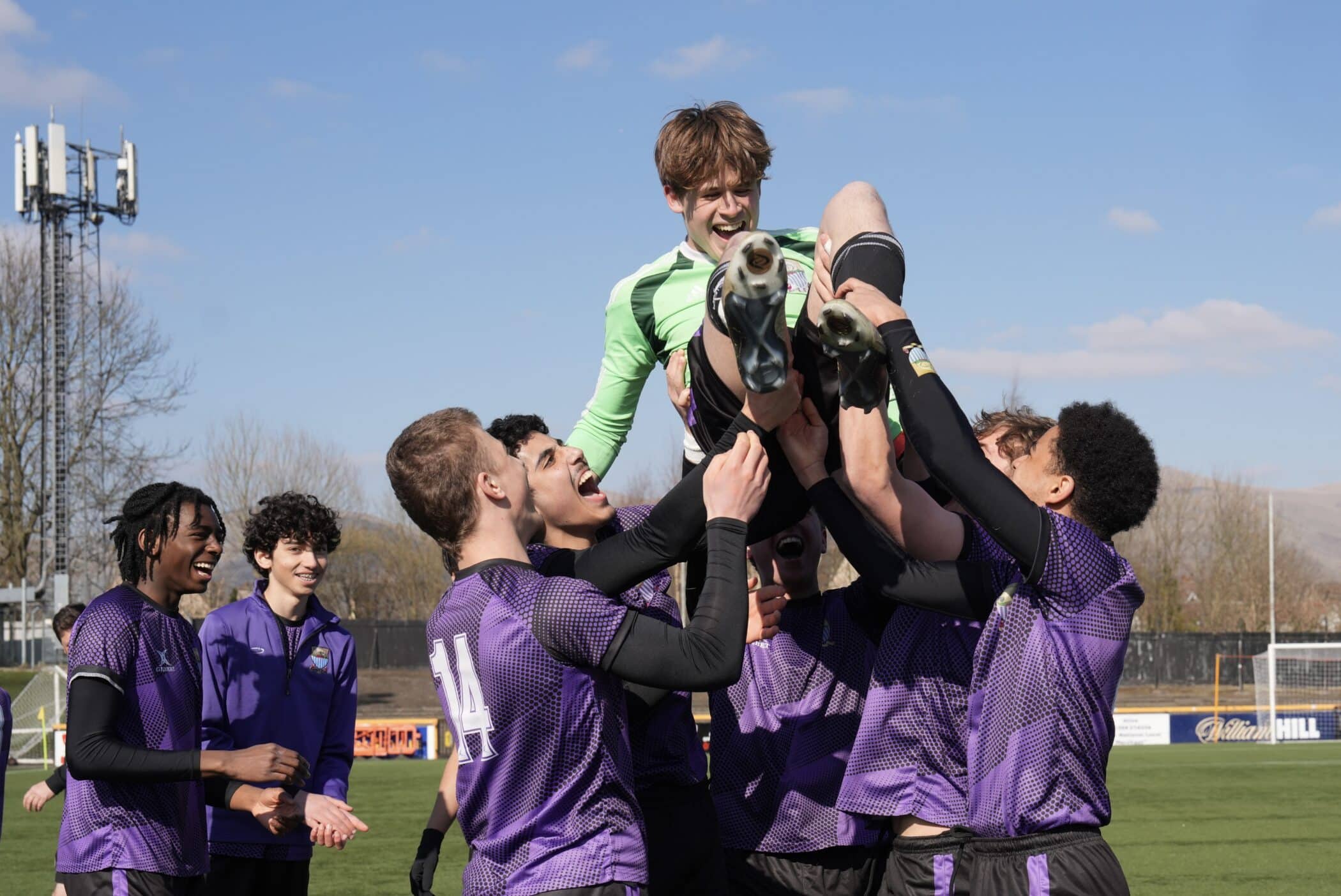
Sport provides another valuable route. Schools that collaborate with elite academies or professional clubs create pathways where academic and athletic development work hand in hand. For some students, this dual approach opens doors to coaching, sport science or professional sport.
Careers Guidance That Inspires Ambition
The most effective careers programmes help students understand themselves as much as they help them understand future opportunities. Approaches that combine psychometric profiling, personalised interviews and real stories from former students give young people the clarity and confidence they need to make informed decisions.
Hearing from alumni – whether through talks, digital content or mentoring – reinforces the message that success is diverse. Former students may go on to careers in conservation, aviation, coaching, disaster response or countless other fields. The key is that they develop a sense of agency: their path is theirs to shape.
Some schools build this into their culture. Gordonstoun’s “Inspire to Aspire” initiative, for example, uses short, practical insights from alumni working around the world to help students imagine futures they may not have considered. Tools like the Morrisby careers platform also help to create a structured progression, ensuring choices at 13, 16 and 18 feel coherent and supported.


Where Character Meets Challenge
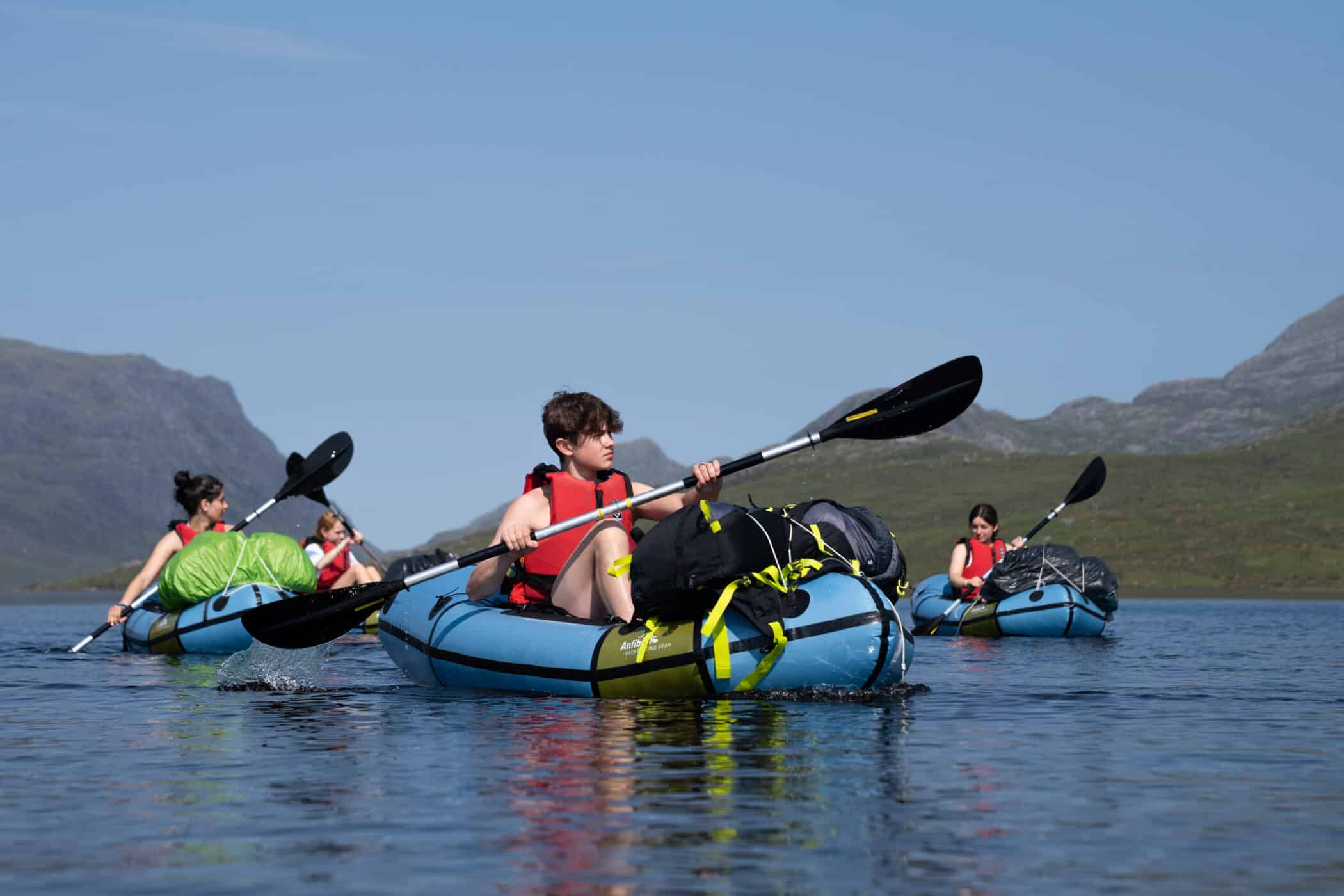
Academic and careers provision alone do not build the kind of character young people need to thrive. Physical challenge, especially when rooted in outdoor education, plays a unique role in developing resilience, leadership and teamwork.
Sail training illustrates this beautifully. Navigating using charts, reading the weather, maintaining a vessel and working as a crew bring subjects like geography, maths and physics to life. Schools with established traditions in this area, such as Gordonstoun, integrate sail training into the curriculum, giving every student access to real-world responsibility in a safe but demanding environment.
Challenge also happens in the mountains, on the sports field, and within community service. These are the experiences that students remember long after they leave, moments where they discovered courage, humility or strength they did not know they had.
Education for Life, and for Exams
The true goal of education must be bigger than examination results. It should inspire curiosity, courage and purpose. When students are invited to step outside what feels familiar or safe, they begin to see what they are capable of, and what they might offer the world.
Challenge, in its many forms, enables young people to reimagine the impossible. It equips them to navigate uncertainty, pursue ambitious futures and develop the confidence to make a meaningful difference to others.
Date
4 March 2026
Share