
The HMC Action Research Hub runs in partnership with the University of Warwick; with Dr Nomisha Kurian, Assistant Professor in Education Studies, as the lead researcher.
Dr Kurian has considerable expertise in action research and is widely published in areas such as child wellbeing and rights in the digital age. Together, HMC and the University of Warwick support teachers to design and carry out ethically robust, evidence-informed action research that strengthens professional practice and enhances outcomes for pupils. You can watch a short film about the project to date, including perspectives from our 2026 teacher participants, here:
Joining our research community
The Hub provides professional learning in practitioner inquiry over twelve months. Colleagues joining the Hub become part of a supportive global research community and receive:
- High-quality, academically rigorous training in action research design, methods and evaluation, through online workshops and provision of asynchronous resources
- Support with developing a research question and writing a proposal
- Personalised mentoring from academics in the University of Warwick’s Education Studies department and 1-1 support throughout
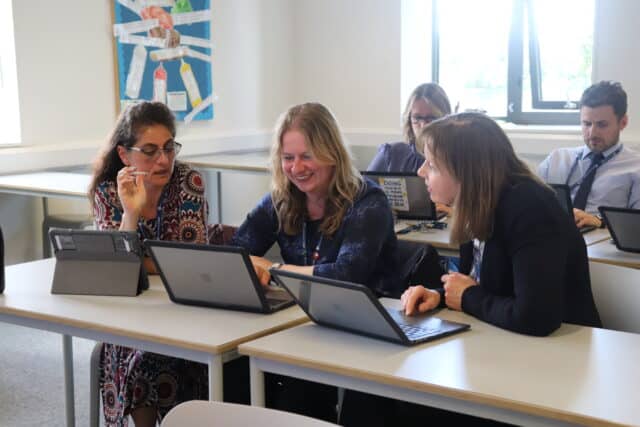
- Opportunities to collaborate with other teachers, e.g. on research questions, and join smaller sub-groups based on areas of research interest
- Opportunities to showcase projects at conferences
- Support with publication and dissemination of research findings.
The Hub launched in January 2026, and is currently supporting teachers from twenty-five teachers in schools around the world to carry out their own action research projects. Following completion, a repository of their project reports and case studies will be published for ongoing sharing of best practice.
We are now inviting applications for the next cycle, to begin in January 2027.
Scroll down to find out more about action research, FAQs, our introductory webinar and registering your interest for 2027.
Why action research?
Action research in schools is typically practitioner based, small scale, and qualitative.
The idea is to:

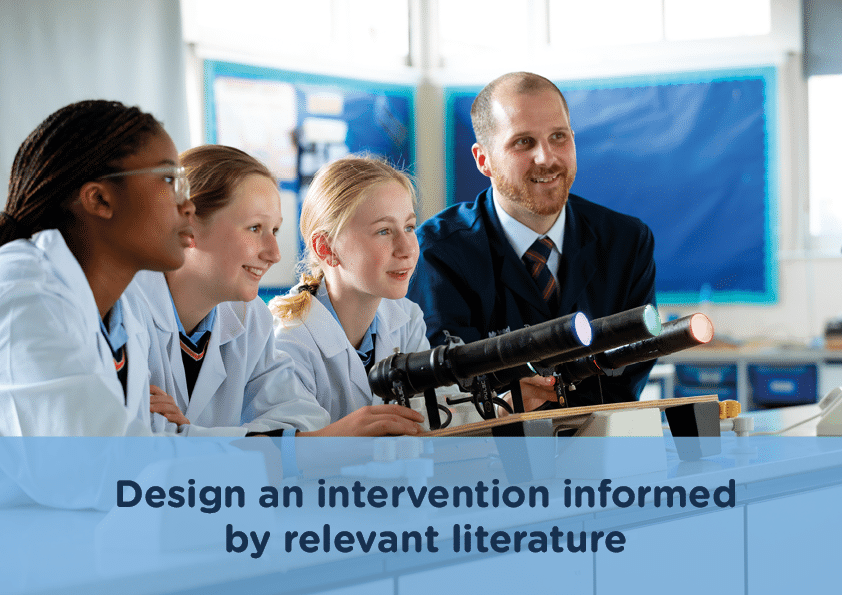

- Focus on one key issue or challenge in your teaching practice
- Design an intervention informed by relevant literature
- Evaluate the impact of your intervention and share insights with others
Some important values and aims of action research include:
- Teacher agency
Action research can foster greater teacher autonomy and professionalism. Teachers are empowered to act in the best interests of their pupils; this may entail challenging assumptions and critical pedagogies. - Open-endedness
Action research is disciplined and systematic, but open-ended and iterative. It does not necessarily aim to establish ‘proof,’ but gathers reasonable evidence to support claims to new knowledge. - Collaboration
Action Research hubs foster collaboration and professional dialogue with colleagues around the globe, to enrich knowledge and understanding, and drive innovation. - Pupil wellbeing and inclusivity
Action Research projects must adhere to high ethical standards with pupils’ best interests at the forefront of research design.
Read more about the philosophy of action research in our blog here.
Some current research questions from our 2026 cohort of teachers include:
- How does the explicit teaching of oracy strategies affect student engagement and confidence in a culturally and linguistically diverse GCSE classroom? (Josephine Allen, Tanglin Trust School)
- How does using an AI tutoring tool affect pupil motivation and engagement in chemistry revision in two Year 9 classes over five weeks? (Christopher Foster, The Leys School)
- To what extent does focusing interactive classroom practices (namely feedback, questioning and modelling) through a metacognitive lens increase pupils’ intellectual initiative in KS3 classrooms? (Helen Bradford-Keegan, Bolton School Foundation)
- How do students’ perceptions of their ability and the value of physics influence their intention to study the subject? (Rhiannon Woodland, Bristol Grammar School)
- How does building student agency through inquiry-based learning in Year 5 science affect student motivation, confidence and engagement? (Gill Hancock, British School in the Netherlands)
What can I research?
Action research questions typically arise organically from unique classroom contexts, so the Hub will happily support schools with projects that support their own teaching and learning aims / school priorities.
We are especially interested in proposals which sit broadly in the following areas:
- Assessment, pedagogy and curriculum innovation
- Pupil wellbeing and engagement
- Equality, diversity and inclusion
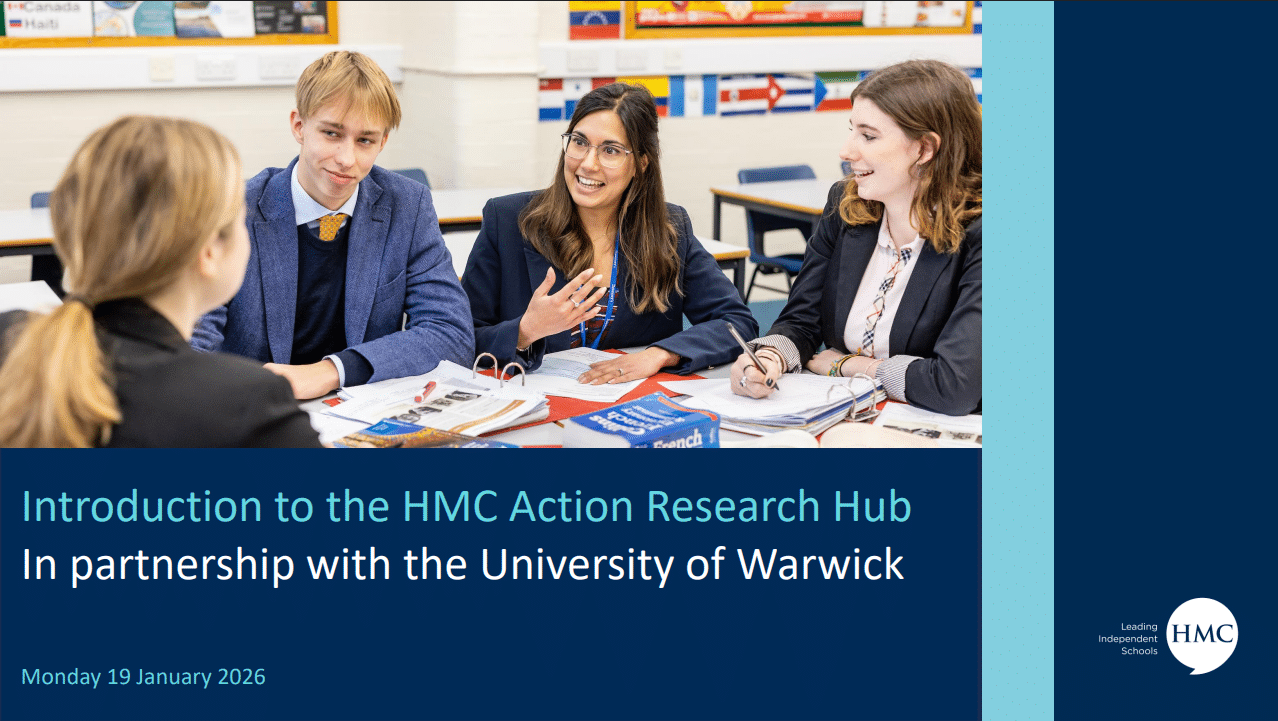
View the introductory webinar, where you can learn about HMC’s new Action Research Hub in partnership with the University of Warwick. In the webinar, Kate Howell, HMC Director of Education, introduces the project, its aims and ethos and Dr Nomisha Kurian, Assistant Professor of Education at Warwick, explains the philosophy of action research, professional learning offering, and the structure of the 12-month programme.
Programme fee
For 2026, the subsidised participation fee is £500 + VAT per person.
How can I register my interest?
To apply for a place from January 2027, please complete this application form in the first instance. You will then be invited for an informal discussion about your likely research area(s), and will have the opportunity to ask questions. The deadline for applications is 31 October 2026.
For an informal discussion about how the project may work in your school, email Emma Hellyer, Head of Assessment and Innovation, at: [email protected].