Blog
‘O Canada’ Part 2: Visiting Canadian Schools, October 2025

Dr Simon Hyde
Chief Executive, HMC
Read the blog
My visit to the CAIS conference in Kelowna in October 2025 (see part 1 of this blog) afforded a welcome opportunity to visit some of Canada’s very best schools. In Vancouver, I visited Crofton House, Vancouver College and St George’s before taking the short flight to Vancouver Island where I visited St Michaels University School, Shawnigan and Brentwood. After the conference, I broke my trip back home in the wonderful city of Toronto, where I was able to see Ridley, St Andrew’s and Upper Canada Colleges, before the unplanned bonuses of Pickering College and Bishop Strachan School.
Sadly, only two schools in Canada are still members of our association (St Michaels University School and Crofton House) both of which I had accredited with George Hartley and John Attwater in 2022 as the first new members of the international division since the pandemic. The other schools were selected mainly because of historic ties with the association. St Andrew’s College (SAC), for example, had been a founding member of the international division when it was established in 1921. Fifteen schools in Canada have at some point been members of HMC and I wrote to all of them ahead of my visit to share some news about the association and to mention the connection that had at some point been lost.
The value of international connections is certainly not lost on Canadian schools. Angela Terpstra at Bishop Strachan is on the Board of the International Coalition of Girls’ Schools and Sam McKinney at Upper Canada College is a member of TABS and NAIS (The Association of Boarding Schools and the National Association of Independent Schools both based in the USA) as well as the G30 group of schools originally founded by David Wylde of SAC Grahamstown and Anthony Seldon of Wellington College in the UK. Ridley College is a part of Round Square, whilst Vancouver College is linked to a global network of Roman Catholic schools founded in the tradition of Edmund Rice. The multi-ethnic, multi-cultural nature of Canadian schools is apparent as soon as one crosses the threshold and the country’s boarding schools are keen to recruit students and staff from around the world. Arguably, given events unfolding across the 49th parallel, there has never been a more important time for Canadians to reach out beyond North America. Throughout my visit, I found considerable interest in educational and structural developments in UK schools, including in the growth of the satellite campuses being sponsored around the world.
If a focus on teaching and learning was less prominent at the CAIS conference, there was certainly no lack of it in the schools I visited. I will not do them all justice here, but for context it is helpful to note that education in Canada is devolved to the provincial governments of which there are ten. I visited two, British Columbia and Ontario, and both provinces operate what colleagues in the UK might consider a relatively low stakes and low accountability system, leaving much formal assessment to teachers and schools. Equivalencies are difficult to judge in this environment and there is no mandatory assessment at age 16. Despite (or because of?) this, Canadian students perform well in the PISA league tables, and the relative absence of formal examinations allows schools and teachers greater freedom both within and alongside the academic curriculum.
As I have seen elsewhere in the world, a broader sixth form curriculum can offer schools greater flexibility when it comes to designing their own pathways. One example is the pioneering work of Pickering College, whose Head must count amongst Canada’s leading educational thinkers. Pickering is keen to integrate experiential and real-world learning into their learners’ schooling. In the middle school, all students participate in the SPARC programme (Student Projects Advancing Real Change). Two hours of curriculum time straddling a lunch break allow students to engage with real-life projects as individuals and in teams. Clearly this requires significant staff resource to build and develop the community relationships to facilitate student learning outside the classroom, but the results are impressive. The interdisciplinary nature of the projects brings learning to life in a tangible way as does developing student agency and leadership.
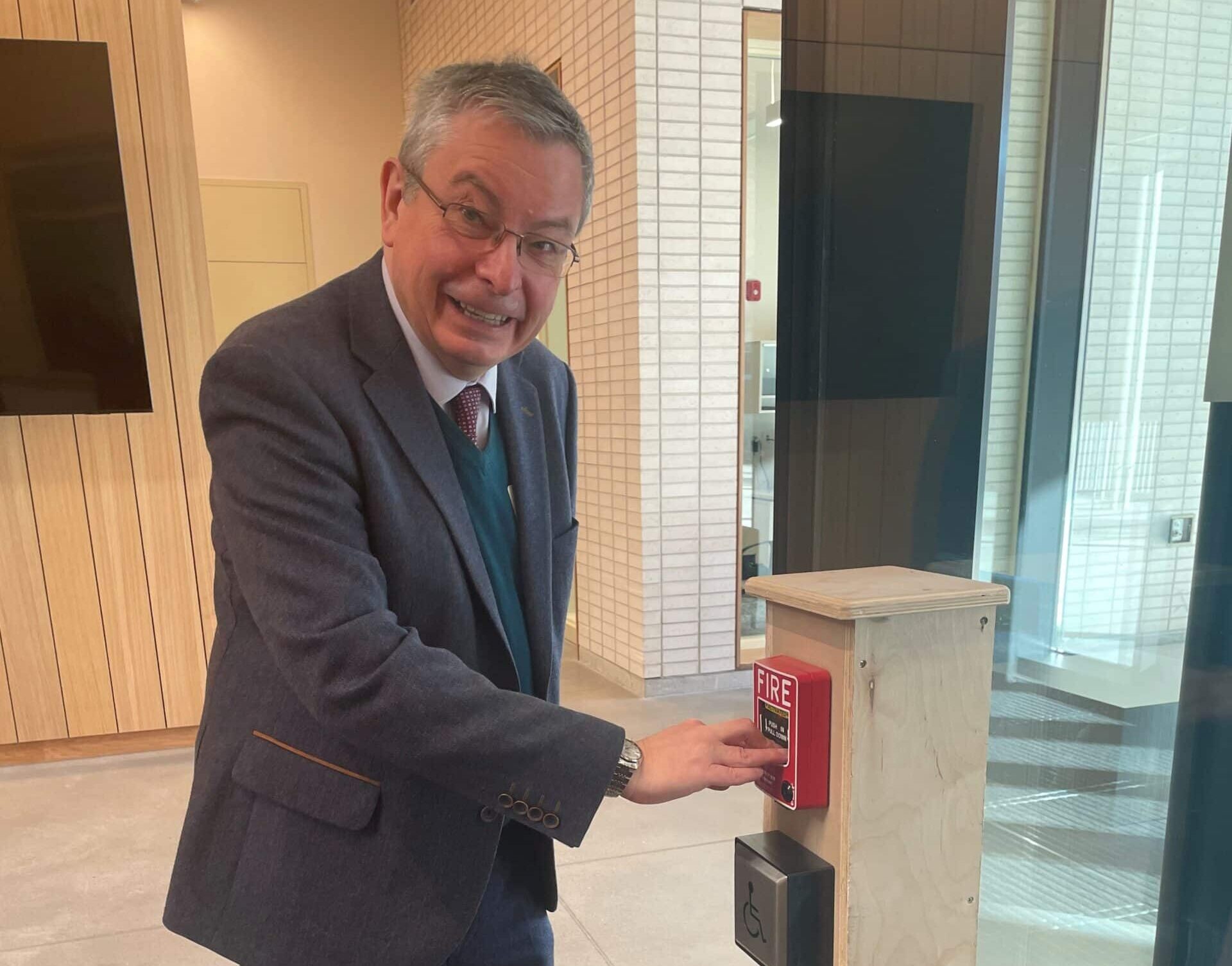
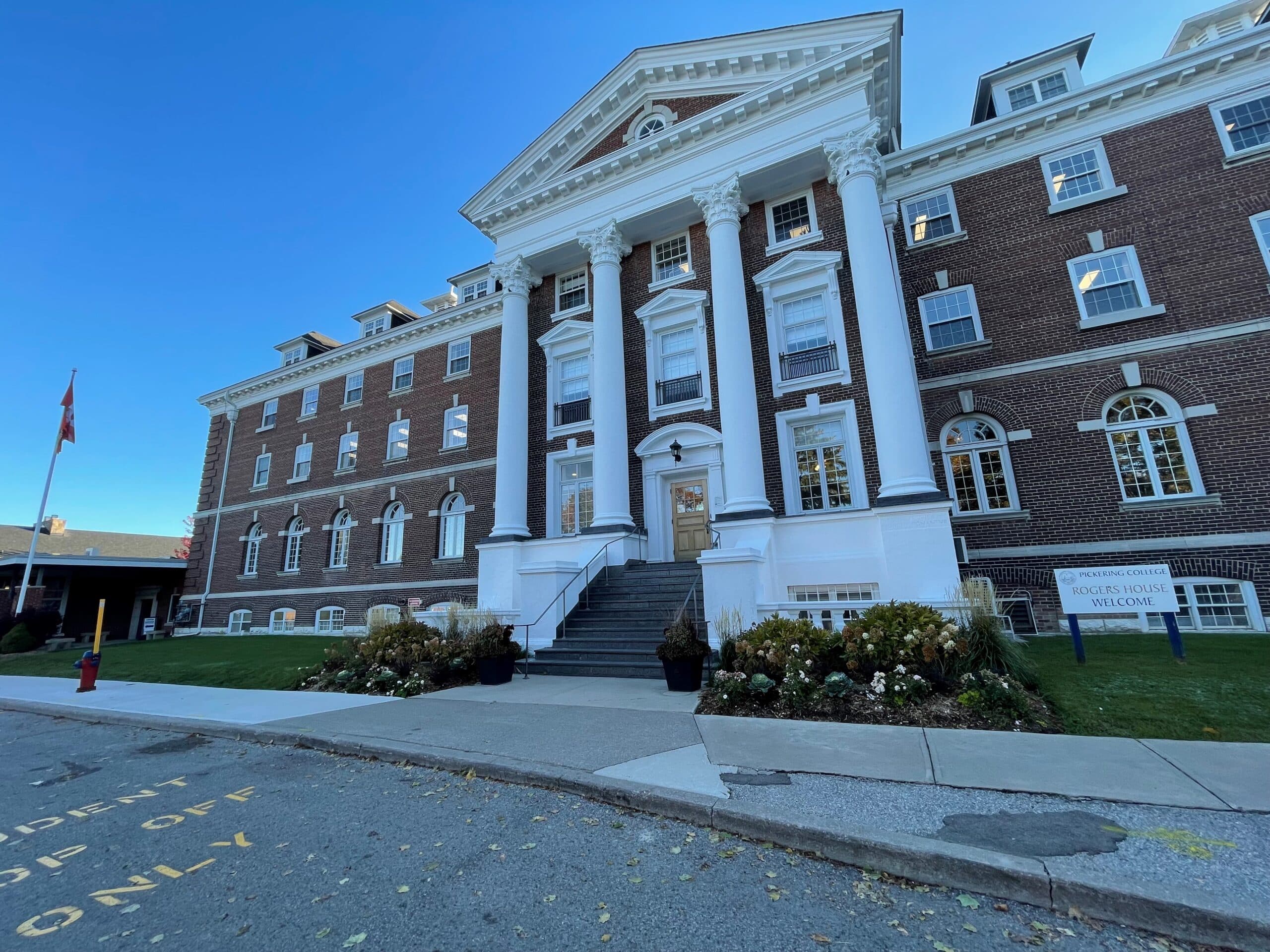
Pickering is a co-educational school for children in grades from Junior Kindergarten through to Grade 12 (Y13). It caters for both day and boarding students in the senior school and traces its roots back to Ontario’s early Quaker community. The school’s religious and progressive heritage (Joseph McCulley, Head from 1927 to 1948 was a disciple of John Dewey, an early advocate of problem solving and critical thinking rather than rote learning in education) is very much alive today under Cinde Lock, who has integrated a Global Leadership Programme into the sixth form curriculum, has pioneered a post-graduate certificate in Experiential Education with Queen’s University, Ontario and ensures enquiry-based and interdisciplinary learning is threaded through the school curriculum.
Pickering is Ontario’s second oldest school. The province’s oldest, founded in 1829, is Upper Canada College or UCC. UCC is an IB World School, using the PYP, MYP and the diploma programme to frame its curricular offerings. A boys’ school with 1,280 students from Junior Kindergarten to Grade 12, it is located on a prime 35-acre site in central Toronto with 88 boarders from around the world adding a further dimension to the international education. Whilst the IB provides a tried and tested curriculum, UCC under Sam McKinney is very far from resting on its laurels. With the school’s bicentenary in sight, UCC has been consciously working towards this celebration, not just with ambitious building plans, but a determination to realise its Strategic Directions plan consisting of three pillars: ‘best self’, ‘flourishing community’ and ‘bold future’.
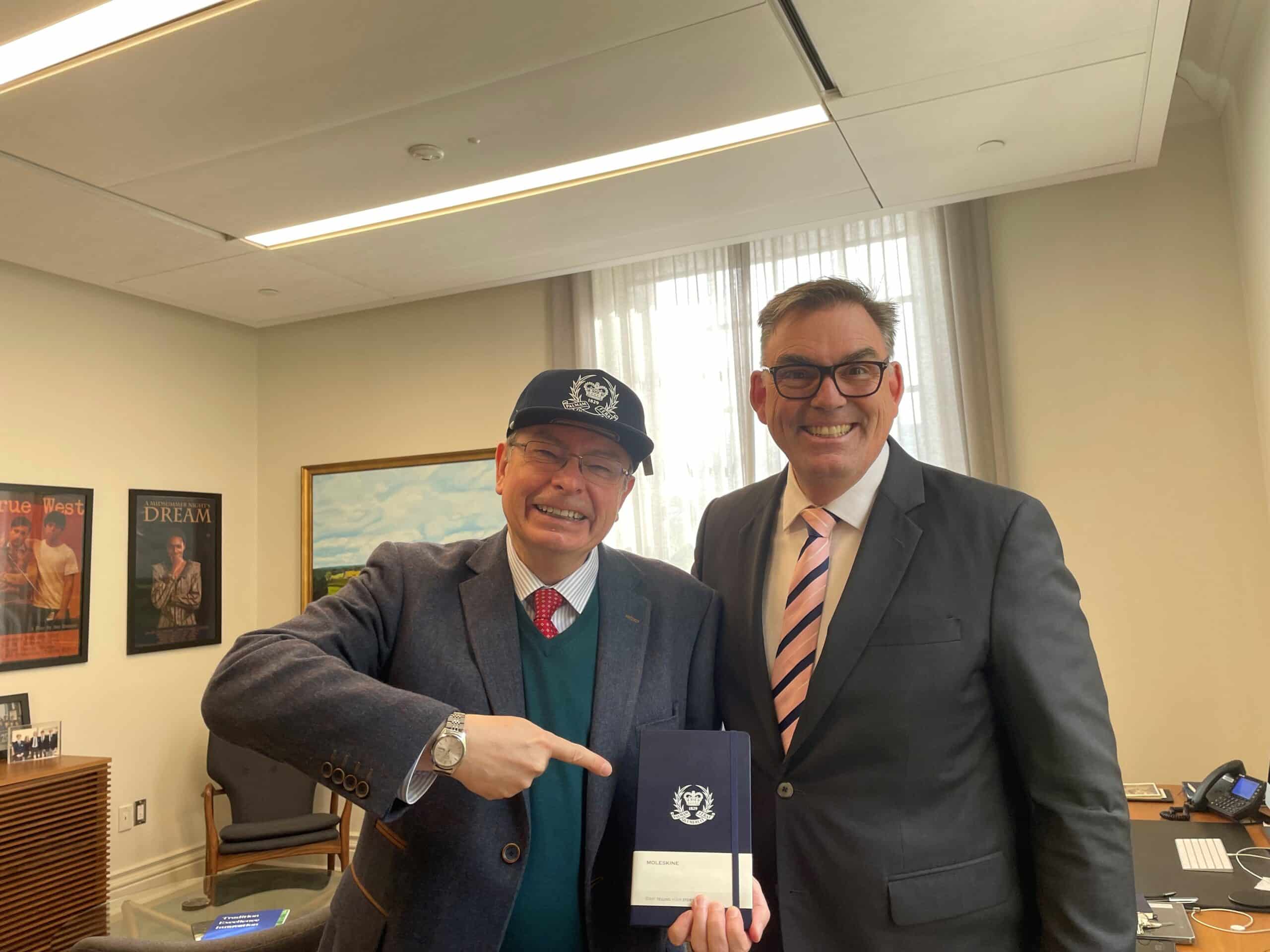
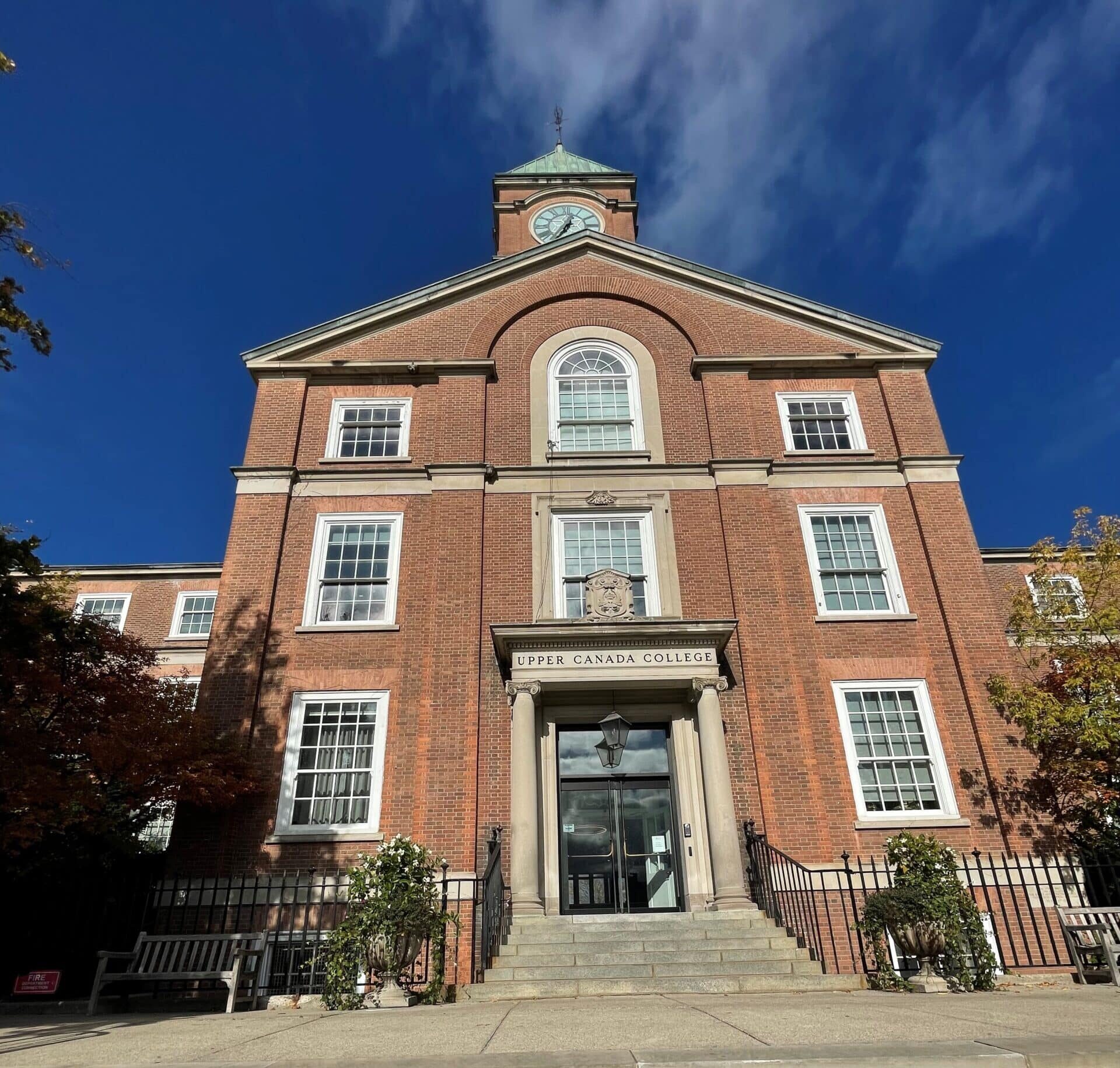
Again, there are opportunities here for experiential and interdisciplinary learning with the introduction of a Design Thinking and Digital Innovation Programme. UCC’s calibre and its commitment to the International Baccalaureate has also meant that it is pioneering a Systems Transformation Pathway within the IB alongside some United World Colleges including UWC Atlantic and UWC Southeast Asia in Singapore. This will allow students to gain the full IB diploma while focusing on real-world challenges through project-based learning instead of traditional exams for certain components. A further advantage of the scheme is that students will qualify for the Ontario Secondary School Diploma (OSSD) in addition to their IB qualification.
UCC also benefits from an extraordinarily generous and successful alumni community. A lead donation of C$30m was the largest of its kind in Canadian independent school history and will support the refreshing and enhancement of the school’s already impressive estate. Another family are supporting the Lang Leadership Lab, making good on the College’s aim to ‘cultivate courageous citizens who advance the common good’. But it is not just in facilities that UCC has invested. As important is curriculum design and innovation, the evidence of which welcomed me on a tour of this very impressive school. The Tannenbaum Family Foundation, for example, has established an Inspire Fund to develop the systems transformation model across other ages and stages.
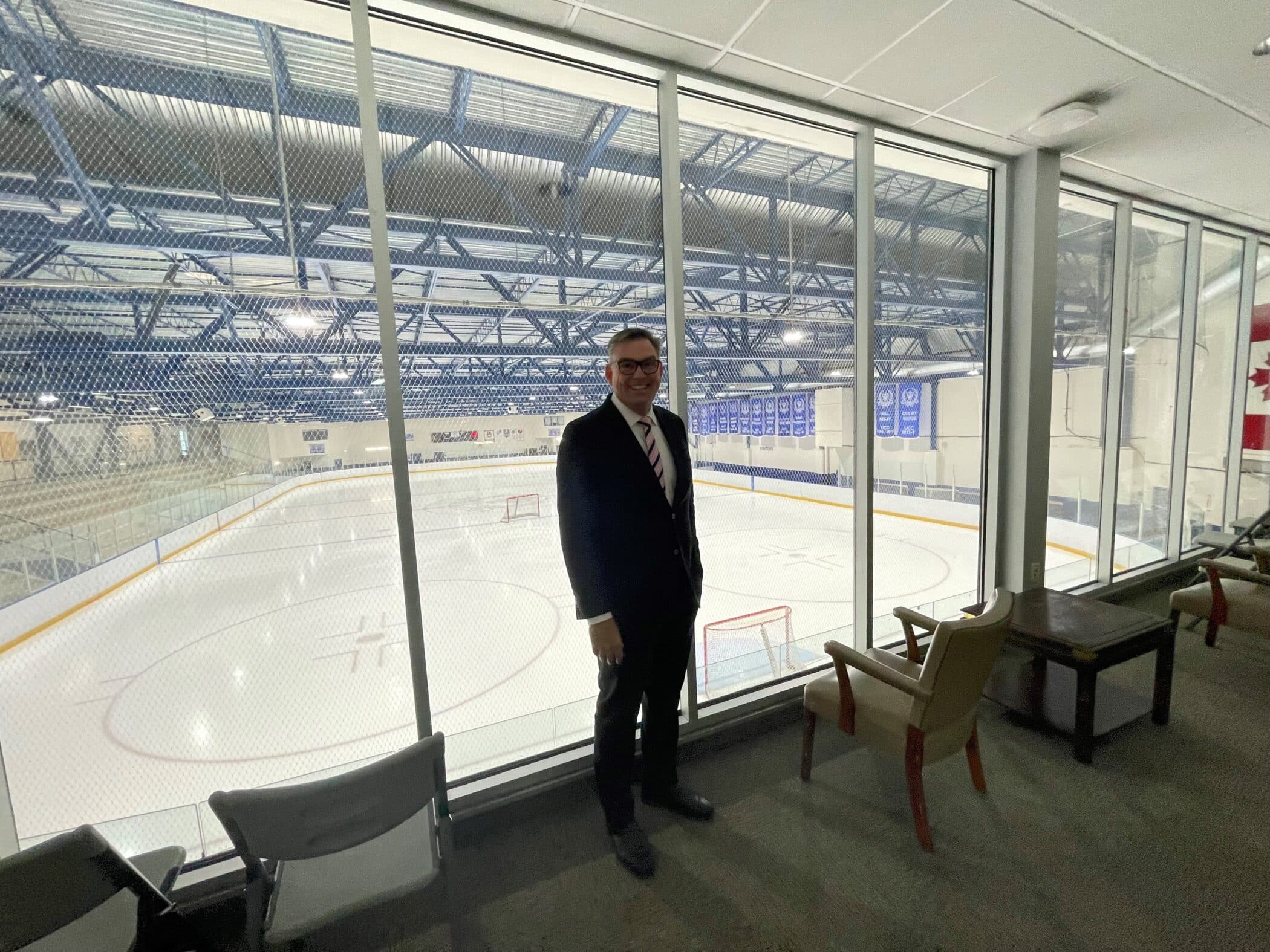
The importance of philanthropy in supporting Canada’s leading schools is ubiquitous. From named buildings and classrooms to sports facilities and ice rinks (at UCC, they have two: one Olympic size and another sized for the national league reflecting the playing careers of the donors!) At the same time, very considerable funds are being set aside to provide financial aid and bursaries. Shawnigan Lake School in British Columbia, for example will support 192 students this academic year at a cost of C$6.2m. This is around a quarter of all students in Grades 8-12 with 20 students on full or transformational awards of between 80 and 110% of tuition fees.
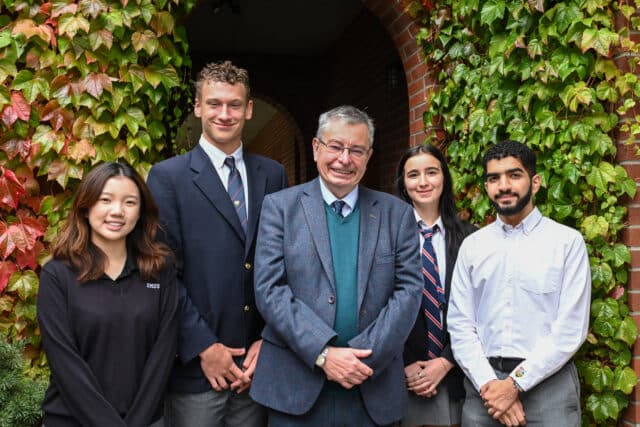
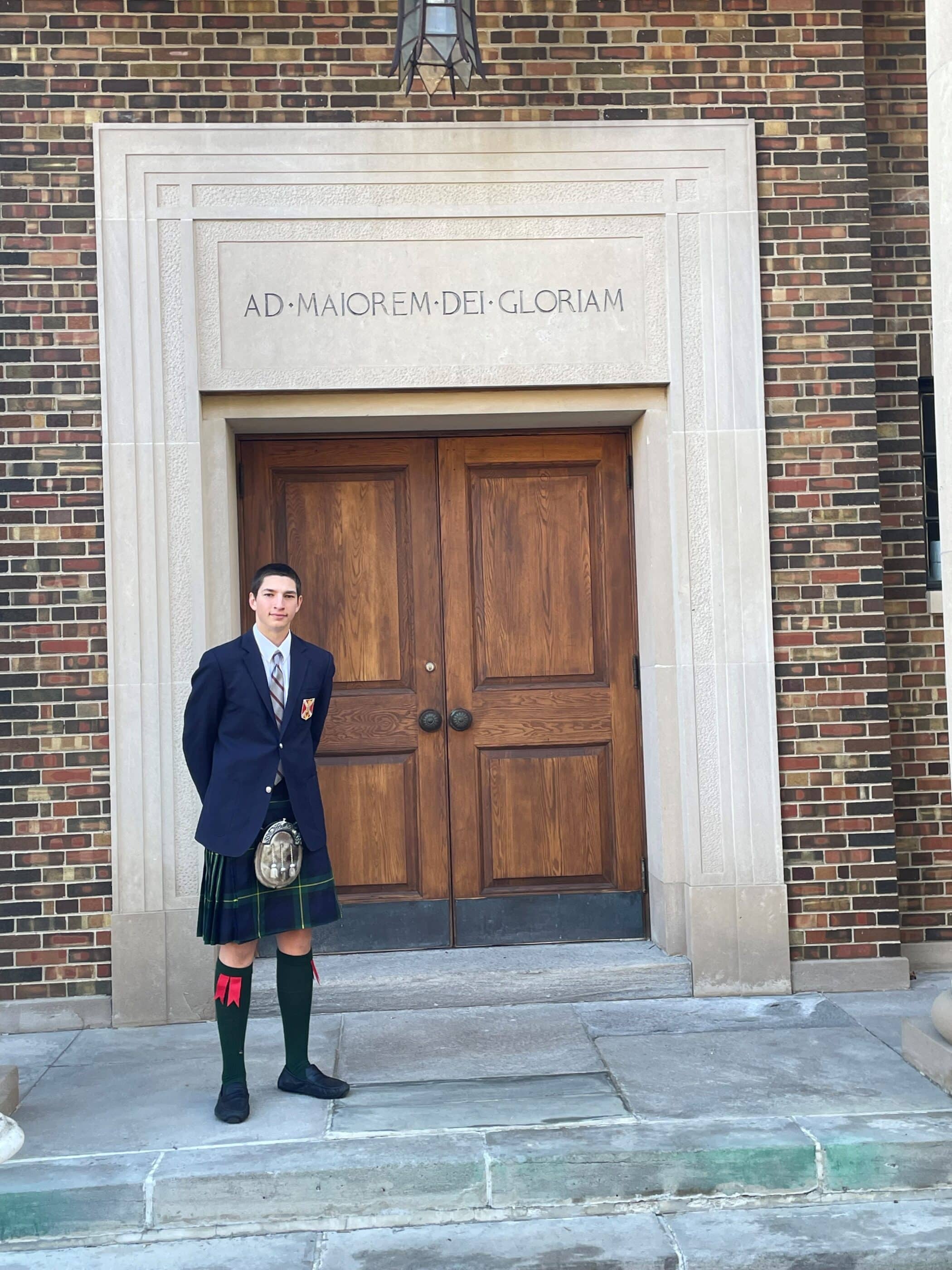
The students I met in Canada were very aware of their good fortune in being able to attend such excellent and well-equipped schools. They were also mindful of the balance that must be struck between investments in facilities and supporting those with more limited means to attend. Parker (nicknamed Biff) at St Andrew’s College in Toronto (the best dressed of my Canadian hosts) was typically proud to show off the College’s great facilities, but mindful of the need to be inclusive as a community. If forced to choose, he felt people came first as important as the school’s physical environment and facilities inevitably were. At St Michaels University School in Victoria, I was privileged to spend an hour or so in the company of four impressive students, Olivia, Anysia, Bashar and Jack. Before their tour, we settled down to get to know each other over a hot drink (courtesy of Jeff Aitken’s staff card!) Jack was able to attend SMUS thanks to the school’s ‘Best School Year Ever’ scheme, an annual scholarship contest offering full or partial boarding scholarships to students demonstrating potential and talent. Bashar had come to Canada from Iraq and acknowledged unprompted the transformational opportunities the school opened for him.
Access to Canada’s finest schools inevitably raises the question of ‘reconciliation’, Canada’s sometimes difficult journey to come to terms with its colonial and post-colonial history. When I visited in 2022, I first became aware of the issue through the practice of land acknowledgement, acts of recognition of the unceded territories and heritage of Canada’s indigenous peoples. At school events, in documents and on public buildings, it was customary to hear or see acknowledgement of the traditional homelands of the many nations and tribes that made up Canada’s population before European settlers first arrived in the sixteenth and seventeenth centuries. Following the UN Declaration of the Rights of Indigenous Peoples in 2007, Canada also moved to acknowledge these rights; British Columbia doing so in 2019 with an act of their provincial legislature. A Truth and Reconciliation Commission concluded in 2015 that “too many Canadians know little or nothing about the deep historical roots of these conflicts” and it was clear that schools would play a significant role in addressing this challenge.
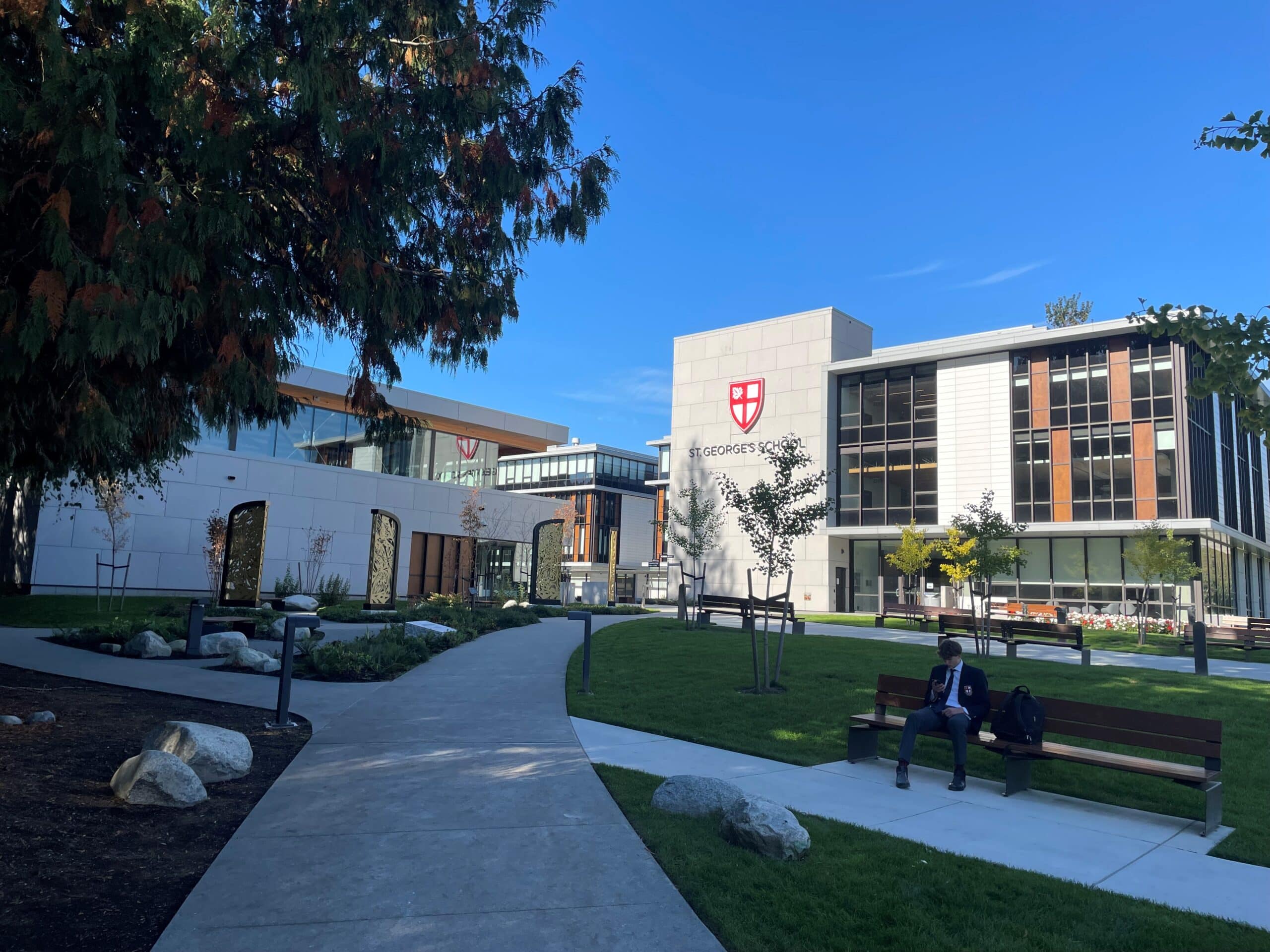
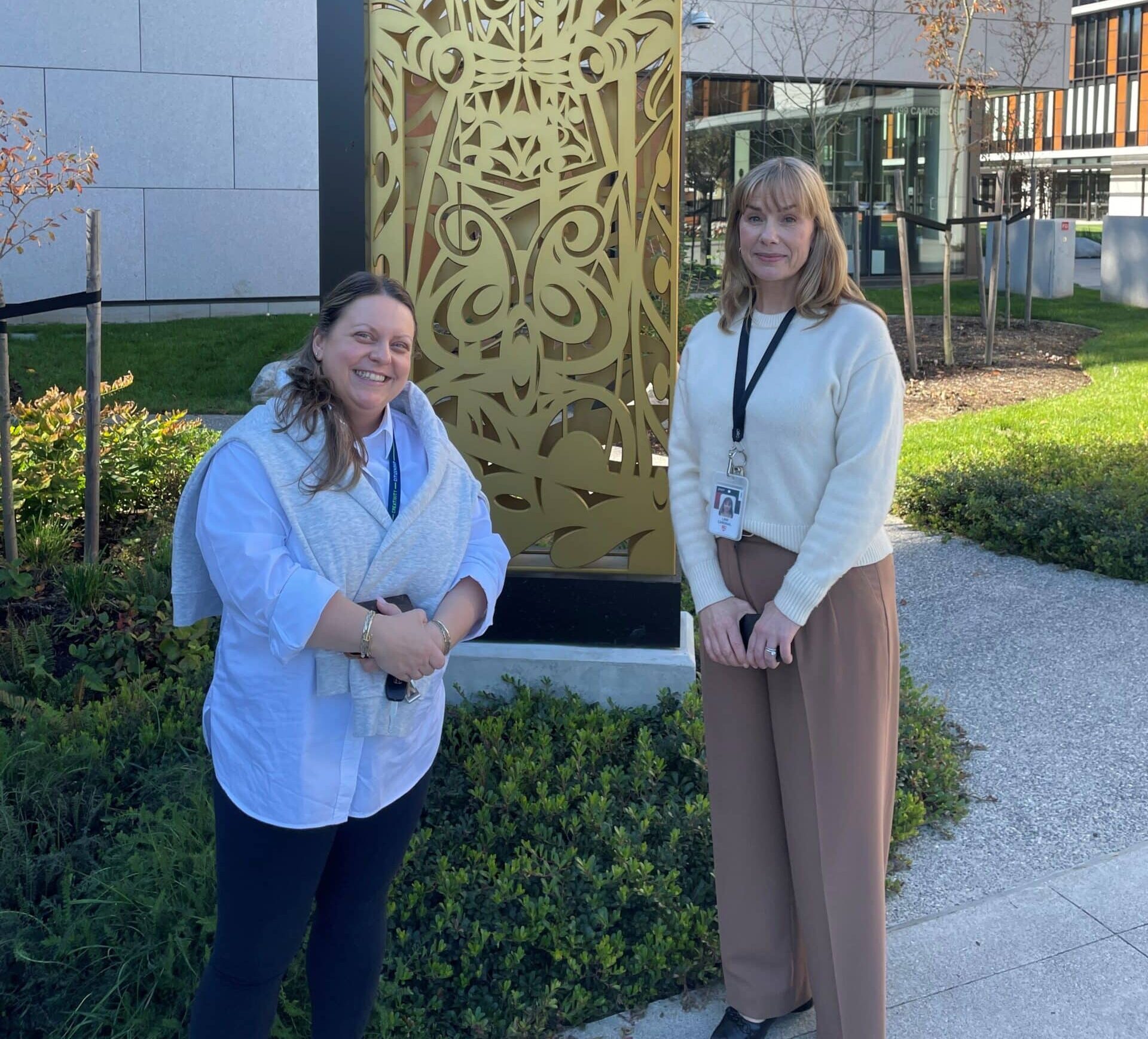
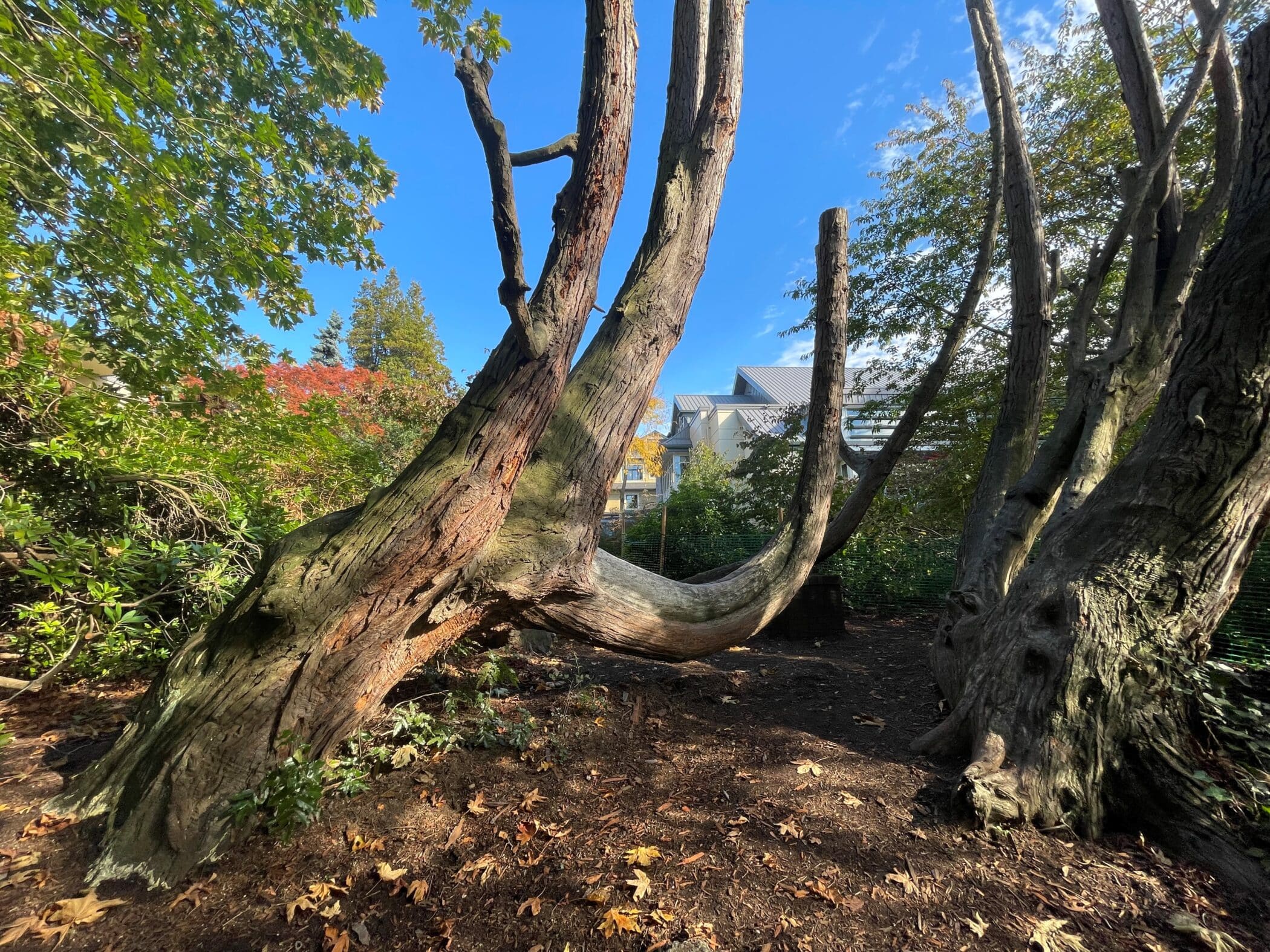
I hope it is fair to comment that for many progress has been too slow and visiting again in 2025 I perceived something of a sense of frustration with what for some has perhaps become an all-too tokenistic acknowledgment of the past without addressing underlying social and economic inequalities. That is not to say, of course, that recognition is unimportant. A beautiful physical manifestation is to be found in the garden at the entrance to the fabulous new school buildings at St George’s School in Vancouver. Acclaimed artist Susan Point incorporates her own Musqueam heritage in her work ‘Journey of Enlightenment’ which not only reflects the spirit of the Pacific Northwest, but also marks the school’s location on the edge of the Pacific Spirit Regional Park, itself a home for the Musqueam people.
At Shawnigan Lake School on Vancouver island, Larry Lamont, Head and fellow Brit, has crafted the most ambitious and detailed reconciliation action plan that I saw on my visit. It recognises that reconciliation itself is a journey as much as a destination (‘Together in the Canoe, Paddling as One Across the Waters’). As the Board Chair, Jacqueline Flett, writes the action plan is ‘more than a document, it’s a promise to engage fully in the learning journey ahead, both locally and globally’. From the introduction of ‘Orange Shirt Day’ in 2018 (a symbolic acknowledgment of the injustices experienced by First Nation peoples in Residential Schools), recent initiatives have included the Showe’Iuqun Indigenous Space, an Indigenous Student Award and the Thunder Indigenous Rugby Programme. The plan stretches into all aspects of life at Shawnigan, with strands for students, alumni, staff, curriculum and community. Work is well advanced on a welcome pole, carved by an alumnus, which will serve as a welcoming symbol fostering deeper respect for Indigenous traditions, but it is in its longer term goals that the plan seeks to challenge the social and economic inequalities mentioned above: an HR policy supporting indigenous staff and a scholarship and community action programme to broaden access.

Location is always a key influence on schools and their culture and in my time in Canada I was fortunate to be able to visit many different types of school in different environments. In Toronto and Vancouver, thriving urban centres with high population density, space can often be at a premium and I was particularly impressed with how Bishop Strachan and Crofton House made the most of confined city-centre sites in very different ways. Bishop Strachan is an impressive mix of the traditional and modern, its neo-gothic front façade dating back to 1915, but masking a thoroughly modern school built behind the façade and below ground. The pandemic allowed the school to restore, clean and repair the chapel and main school building, whilst a C$35m renovation plan completed in 2017 furnished the school with fabulous new facilities. Crofton House probably enjoys a similar footprint, but they have taken a different approach. The school moved to its present 10-acre site in 1942, but the neo-colonial main building gives a very human impression both in grace and dimension. The school’s buildings are separated by tree and plant lined walkways and changes of gradient across the site again allow the best of facilities to be masked by clever landscapes and design.
Hailing from a family of architects, I have always enjoyed school design both for its aesthetic qualities, but also for its pedagogical purpose. From this perspective, my visit to Canada was a treat. There is some fabulous new building. SACS, which has been under the leadership of Kevin McHenry since 2009, has undertaken one of the most ambitious school development projects in establishing a sister school, St Anne’s, on a nearby site, formerly the residence of an alumnus. Whilst I was unable on this occasion to visit, it was a great pleasure to attend one of the regular meetings of the joint senior management teams to talk about educational initiatives in the UK and around the world.
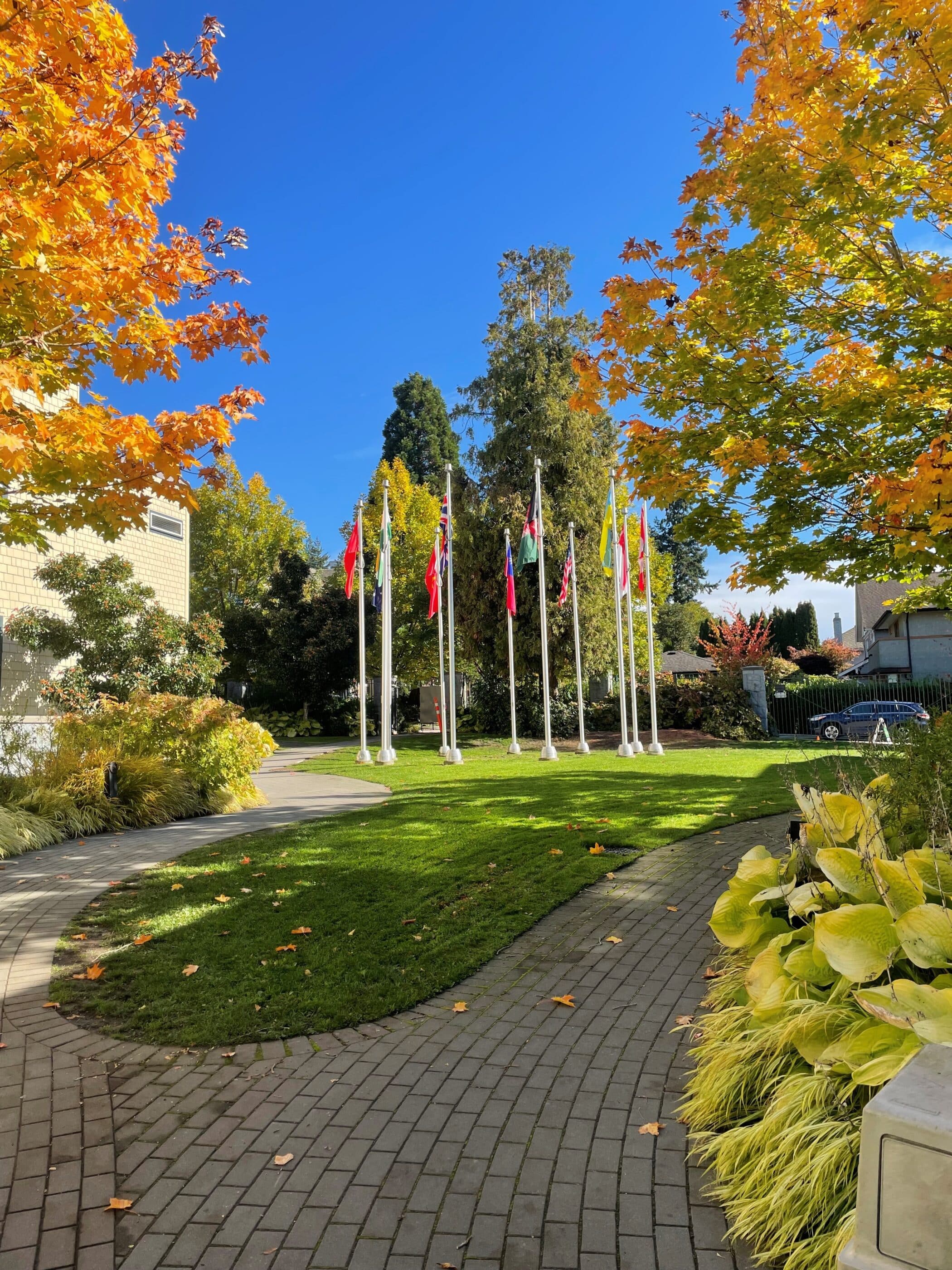
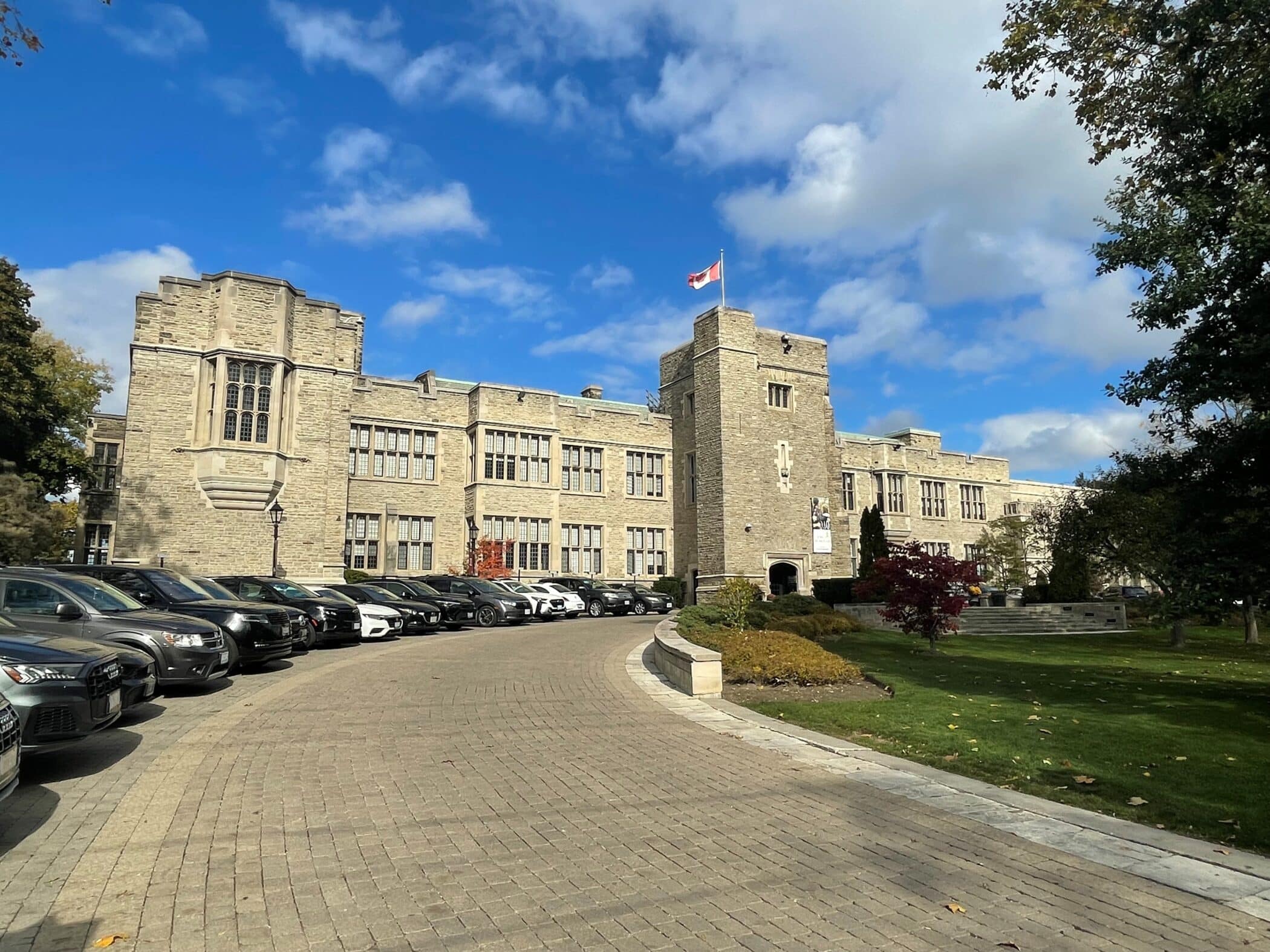
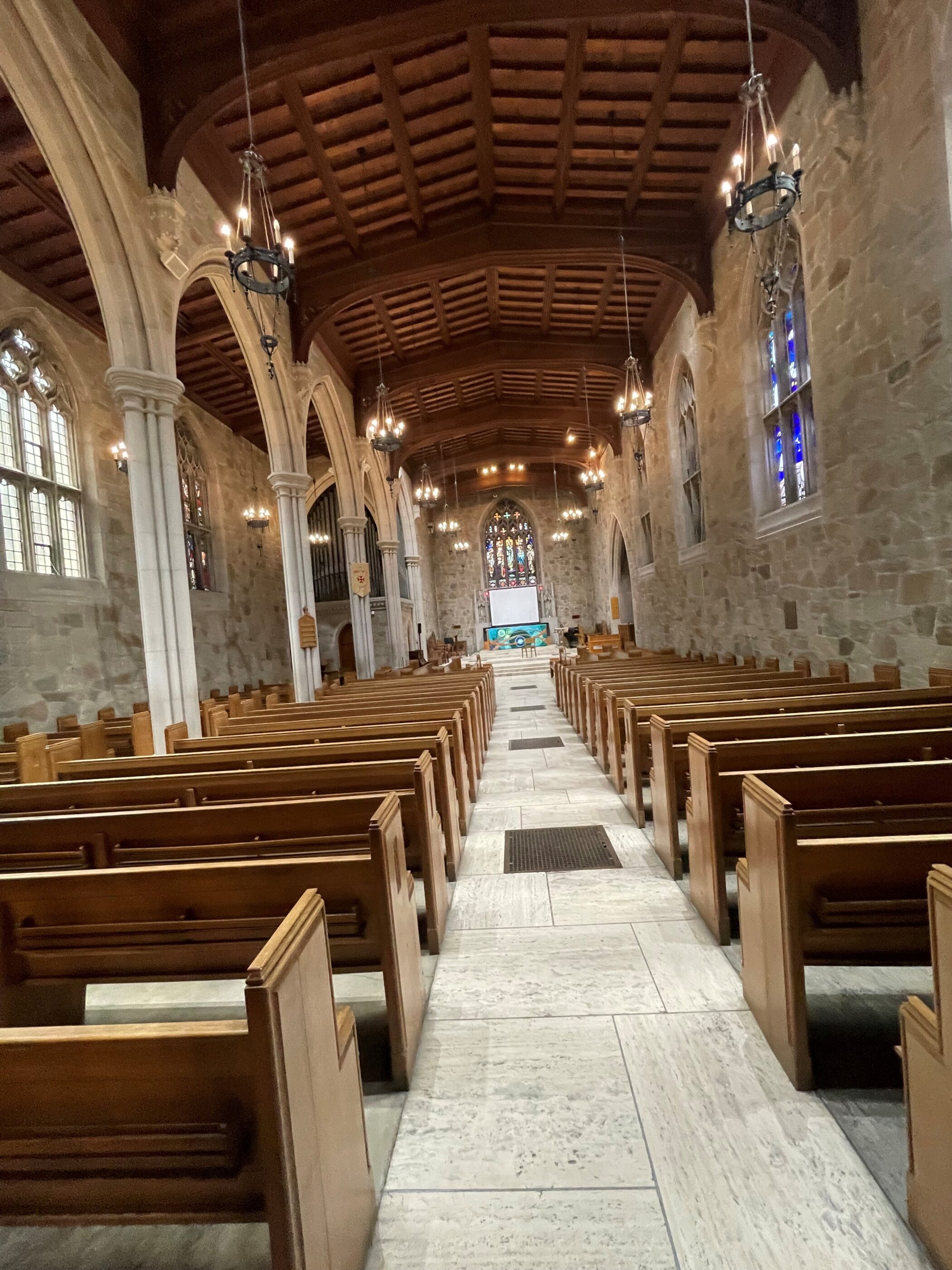
St George’s in Vancouver must rank as the largest school redevelopment of any that I saw in Canada and reminded me of the work undertaken by St Paul’s in London. David Young, a Scot, has been Head there since 2018 and it has been his privilege to guide this extraordinary project to completion. The EE Building (Environmental and Engineering) centralises science and technical facilities with labs, lecture halls and collaborative spaces with generous and vital circulation areas, atria and glazed walkways making the most of the school’s enviable location on the edge of the Pacific Spirit Park. For the power of good modern architecture to inspire (as well as an indication of the project’s ambition) take a look here: https://www.youtube.com/watch?v=gjO3pYGVIGg. You might also note on the video the excellent use of pupil power to help move furniture into the new school building!
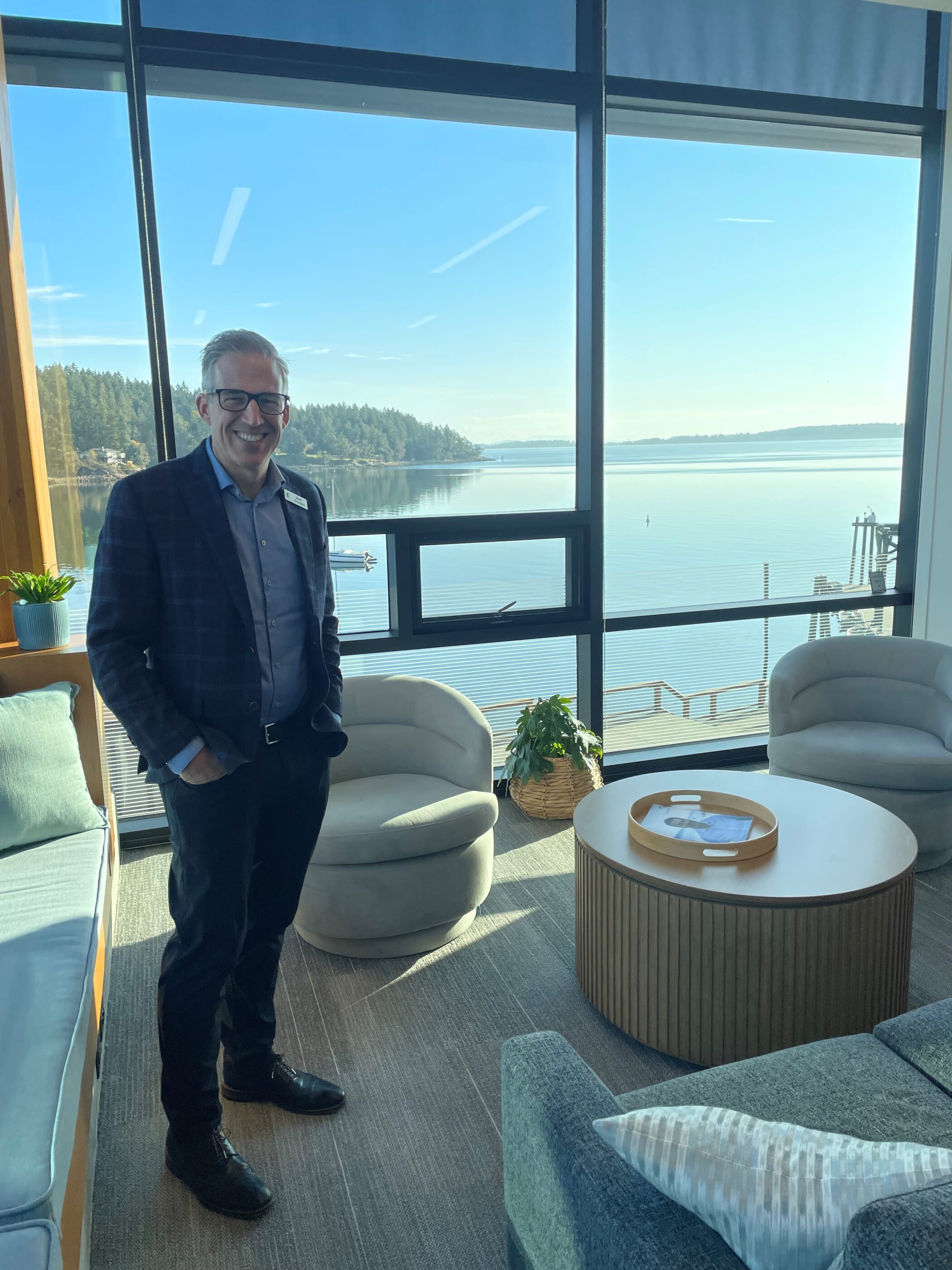
As far as location is concerned, few schools benefit from as idyllic a setting as Brentwood College on Vancouver Island. Located in Mill Bay, its stunning oceanfront campus is home to around 450 students, most of whom board. Garth Chalmers is the recently appointed Head, and his good fortune is to inherit an office with possibly the best view in the world. Housed in the fabulous new Centre for Innovation and Learning, the Science Superlab provides teaching and learning facilities that would rival most universities. A huge central atrium descends to a library and waterfront learning areas outside which seals gather to play and observe.
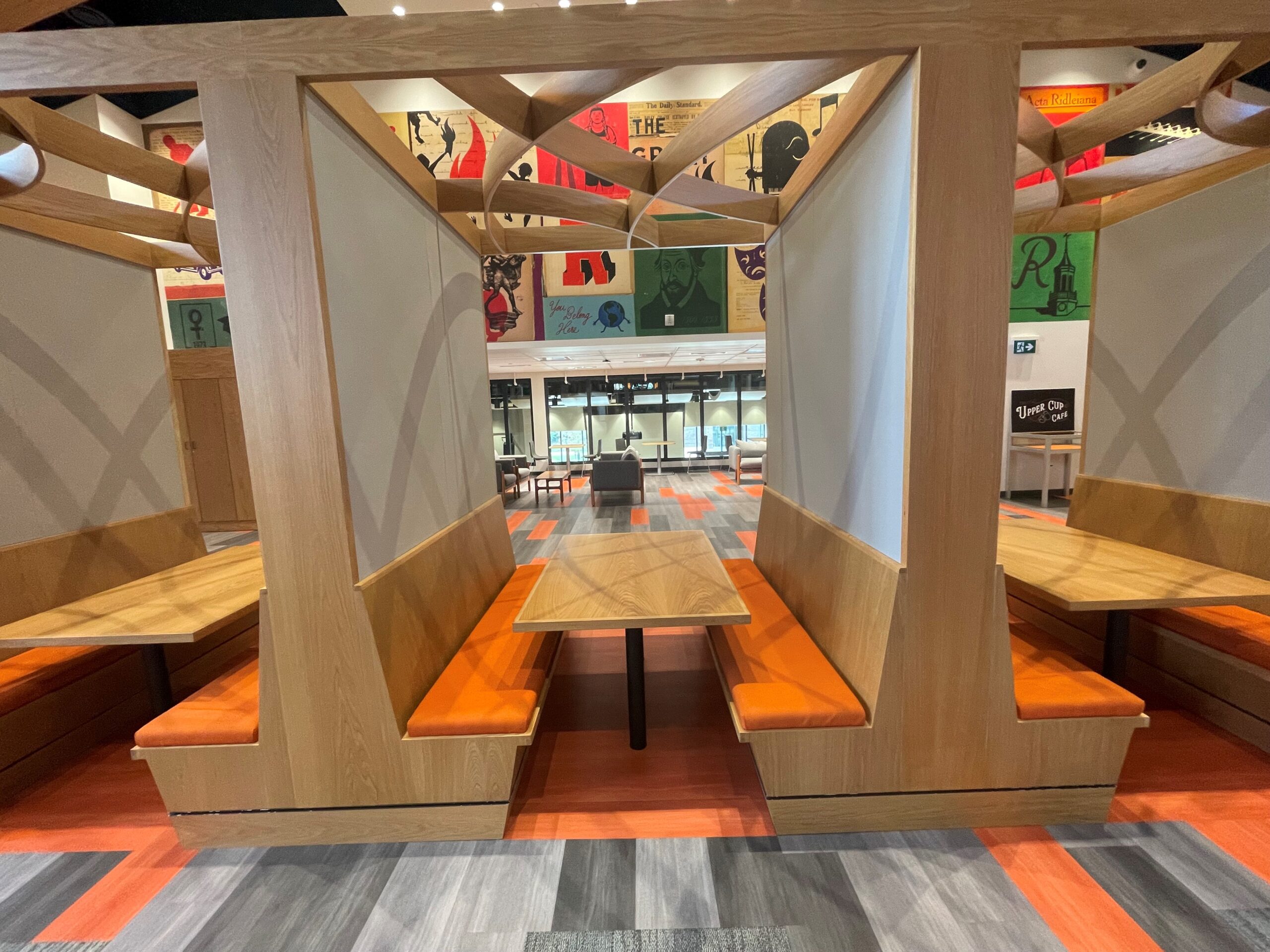
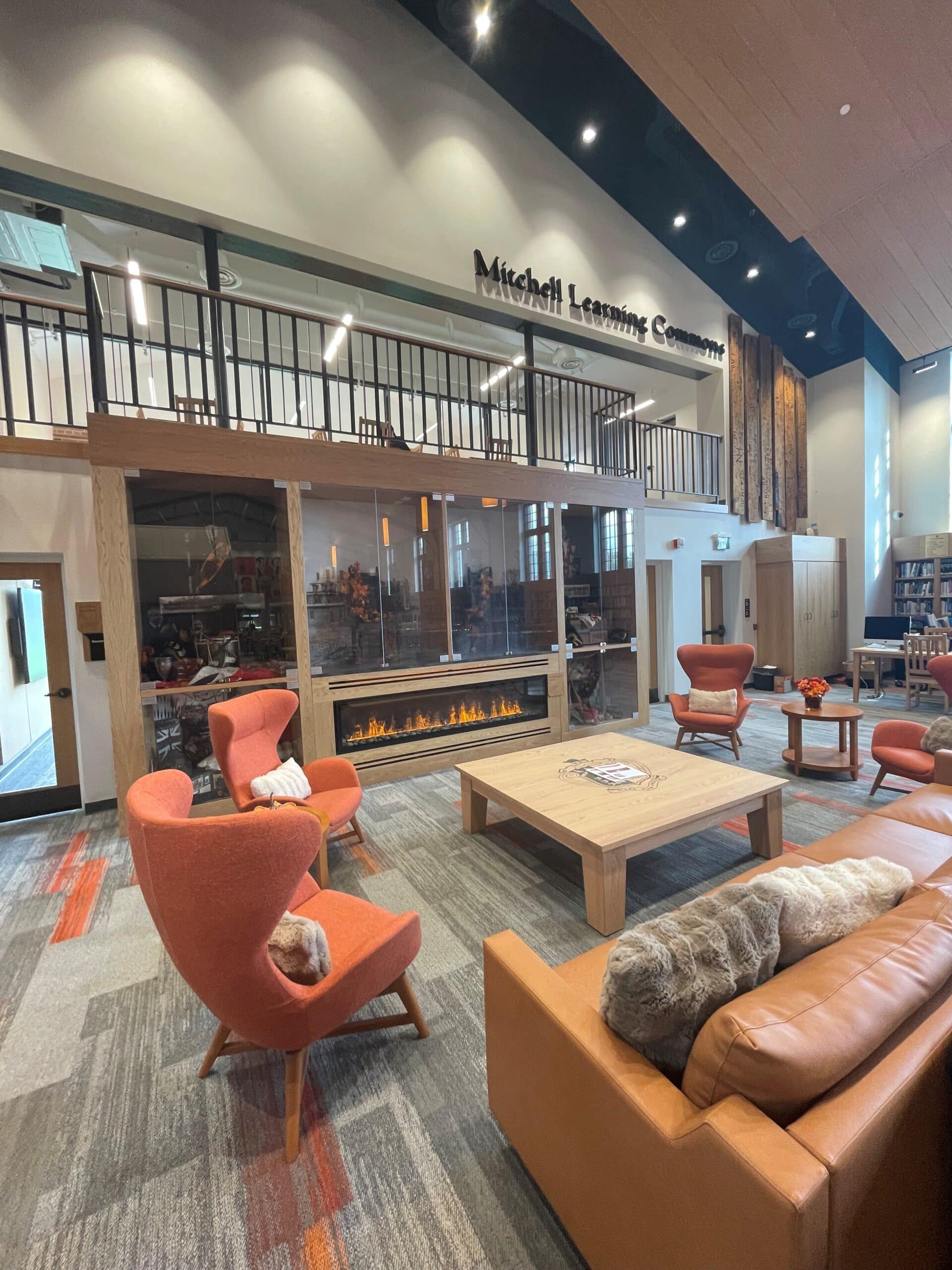
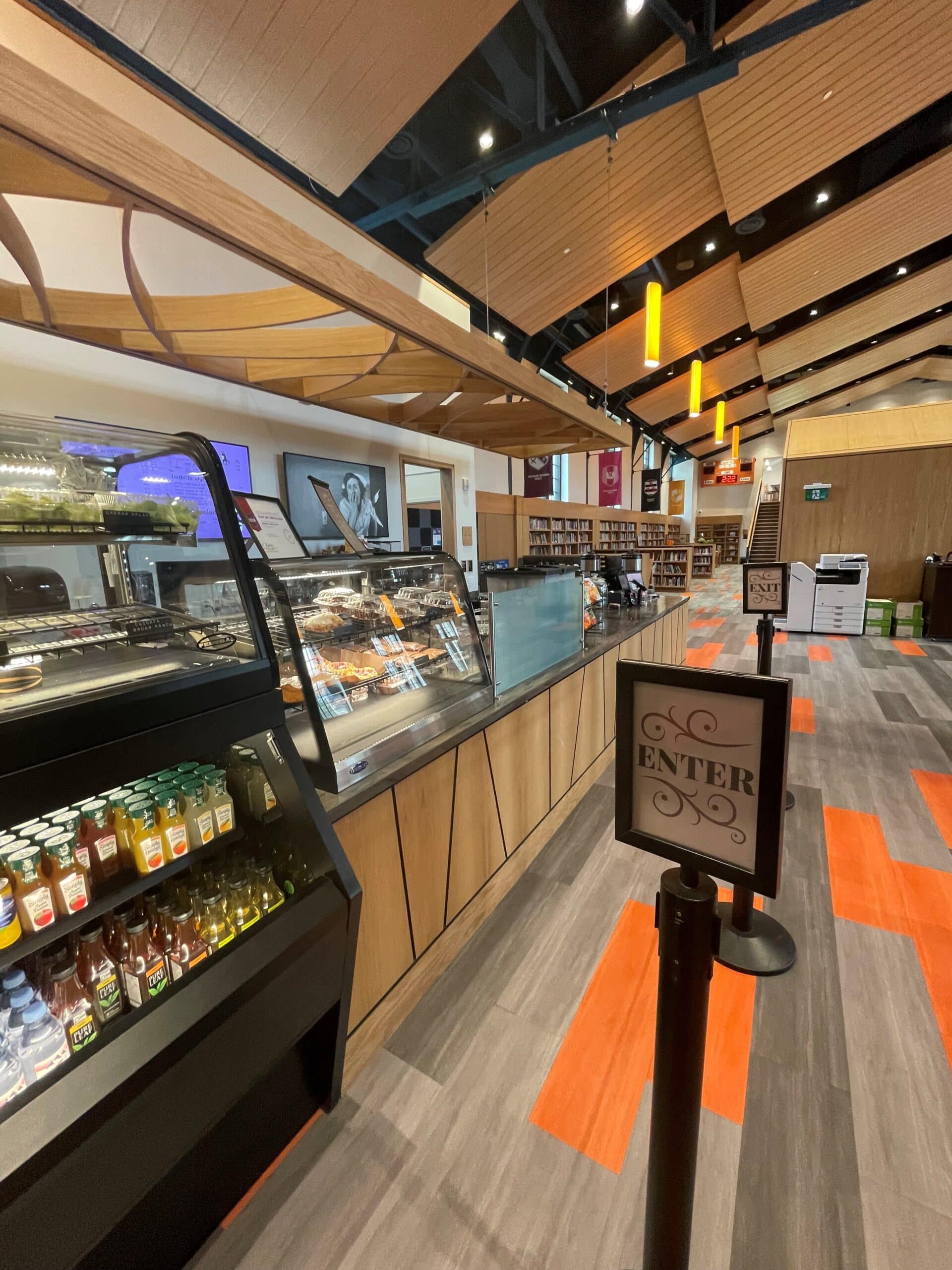
Not all schools, of course, have the opportunity or need to build something completely new. Whilst the environmental and sustainability credentials of a St George’s or a Brentwood are enviable, the chance to repurpose and reimagine an older building was nowhere better grasped than at Ridley College (close to Niagara Falls). The Igguldun Building shows how good design can produce a learning space that is so much more than just a school library. Students learn in a dynamic space which provides for private study and social interaction with a ‘learning commons’ and cafeteria fully integrated into the space of a former sports hall. This is also the home of the school’s archive and the decorations and artefacts from Col Heaman, an original member of the ‘Devil’s Brigade’, the US-Canadian special forces unit that achieved distinction in the Second World War.
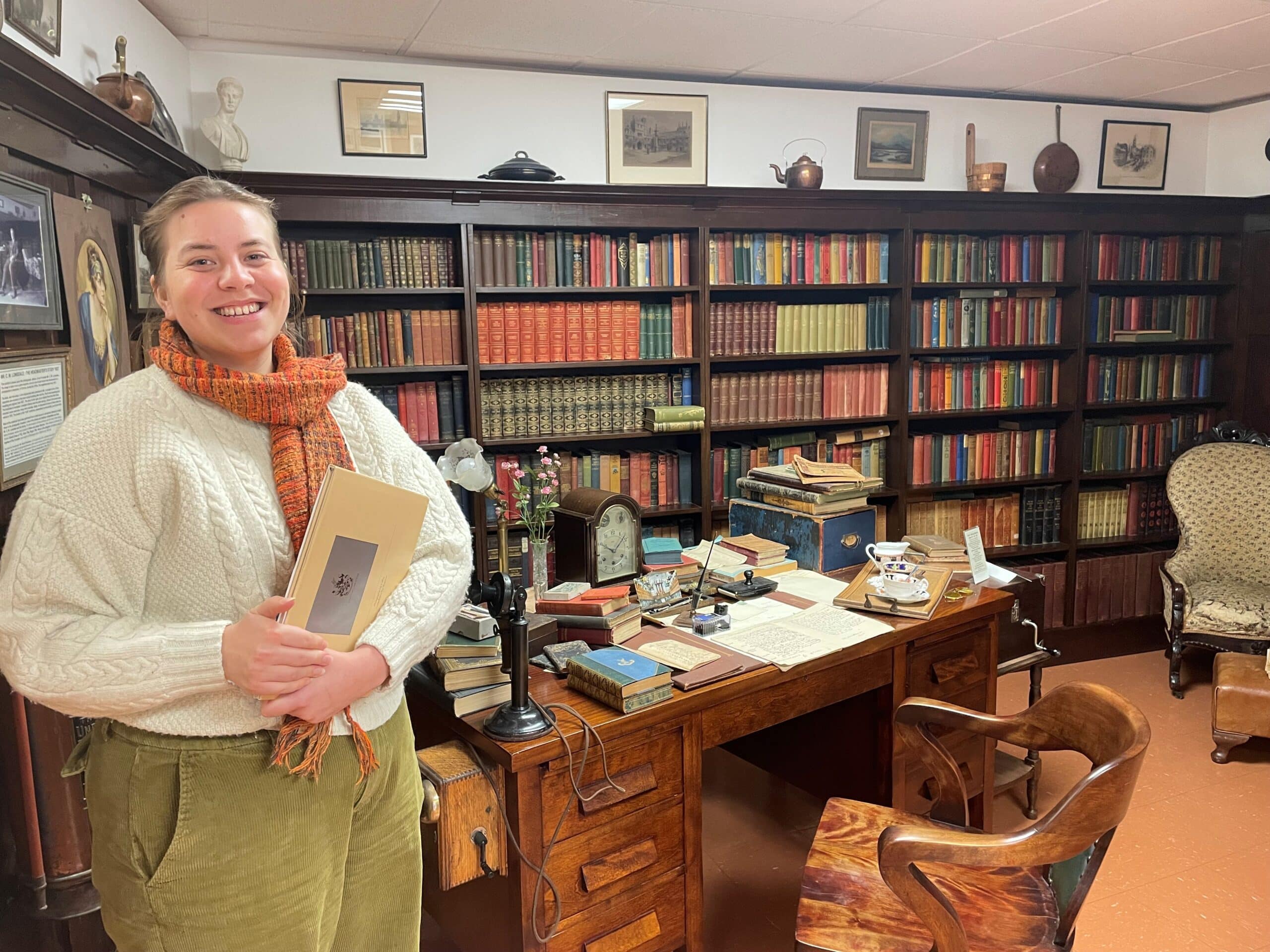
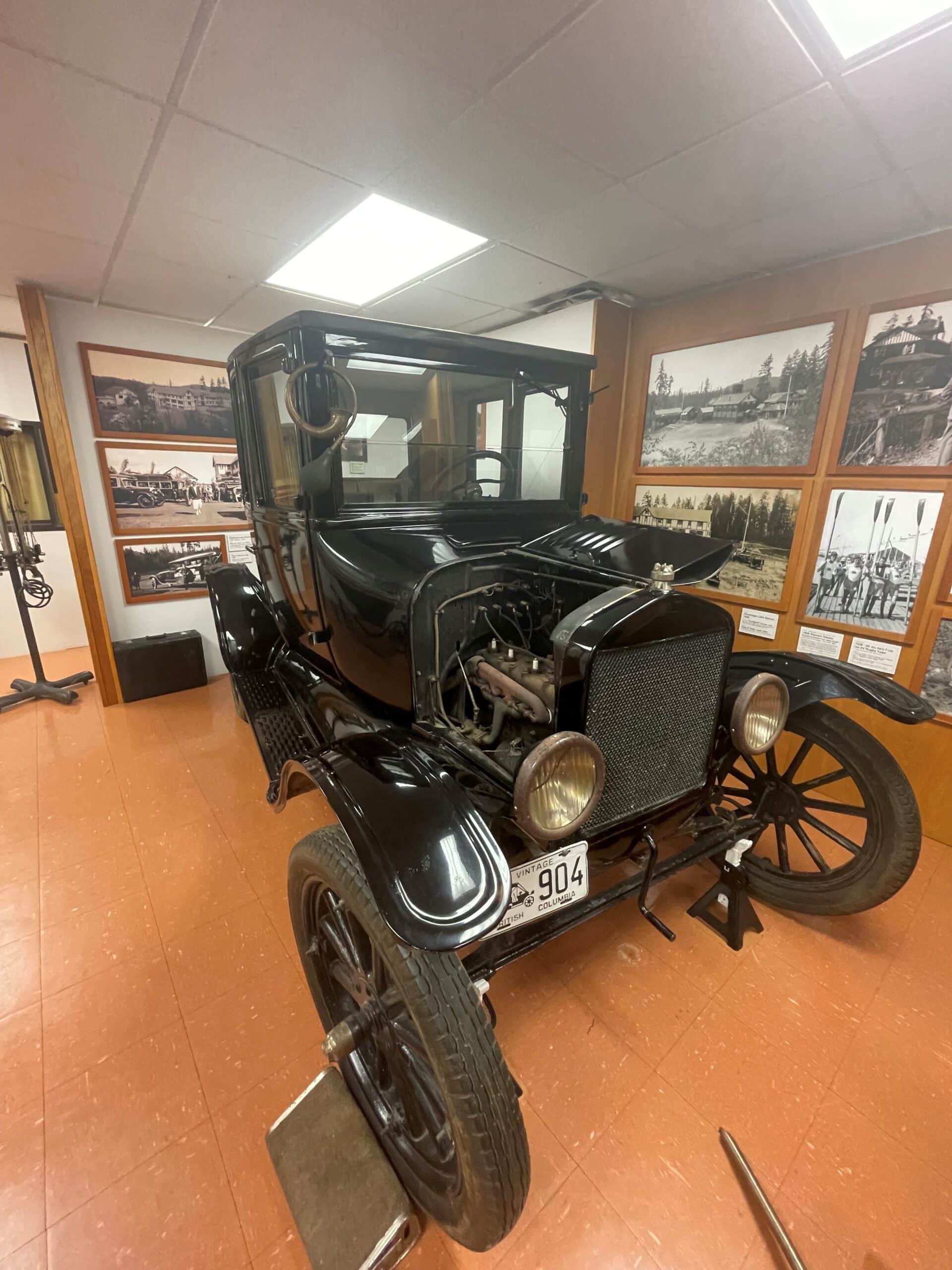
As far as archives go, the prize must go to Shawnigan’s extraordinary school museum, which allows the visitor to wander through a suite of rooms and through time from a facsimile of the founder, Christopher Lonsdale’s original office to boarding and medical facilities to a 1960s common room. Archivist and curator Sarah Teunis-Russ was a most welcoming and knowledgeable host and allowed me to explore this treasure trove of documents, pictures and artefacts, including some early school transport.
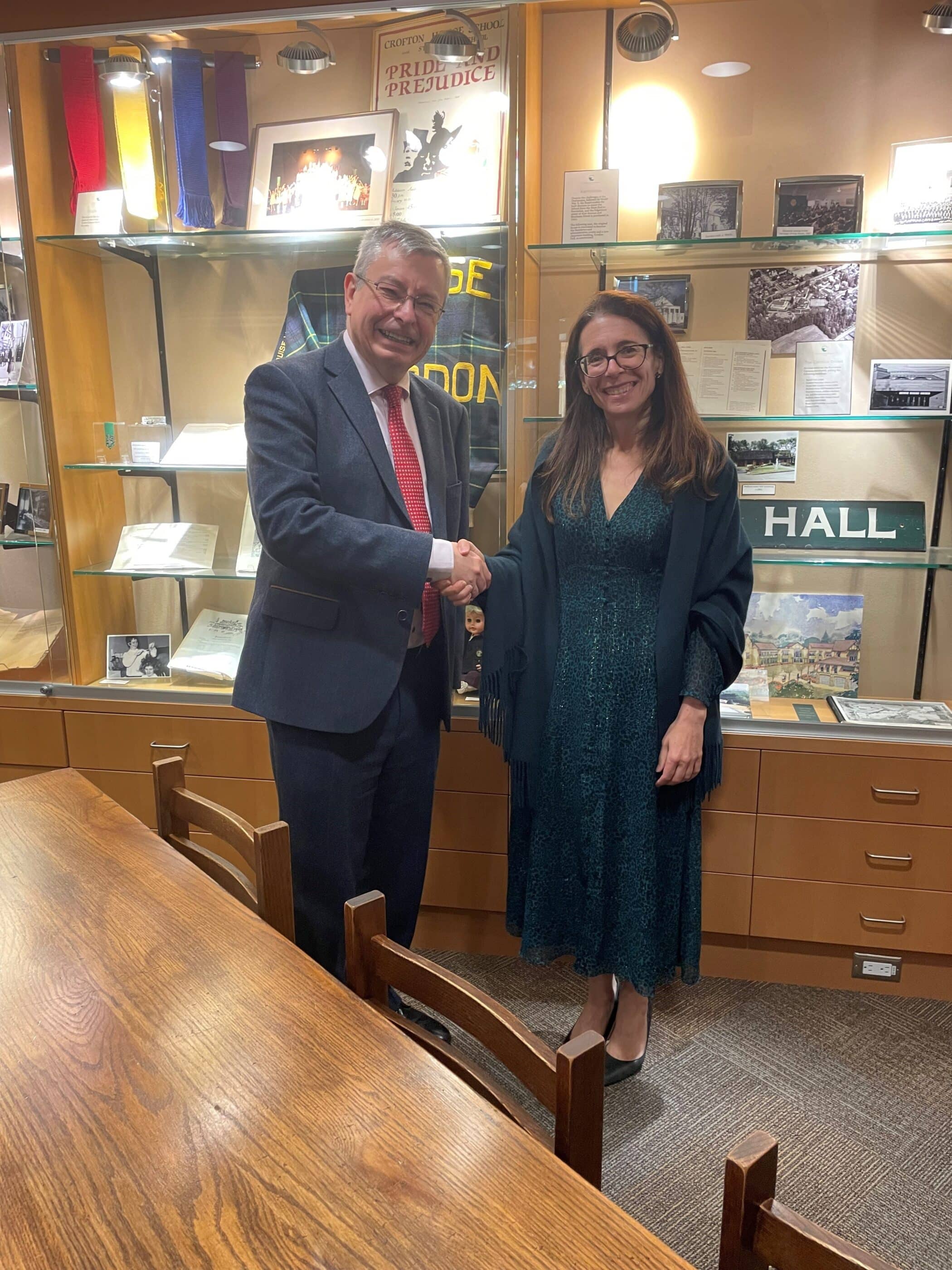
Visiting Canada and so many fine schools was a tremendous privilege and has allowed me not only to spend a little time with our members Ena Harrop and Jeff Aitken of Crofton House and SMUS, and to attend a fabulous CAIS conference, but also to meet some other remarkable educators and school leaders. In forging stronger ties, I am hopeful that we will be able to share a little more of their wisdom and experience with HMC and our wider networks. There was certainly a great deal of interest in educational developments in the UK and elsewhere in the world as the association’s global network continues to grow. My Canadian hosts would certainly be welcome to join us, and I hope to see some in Manchester later this year.
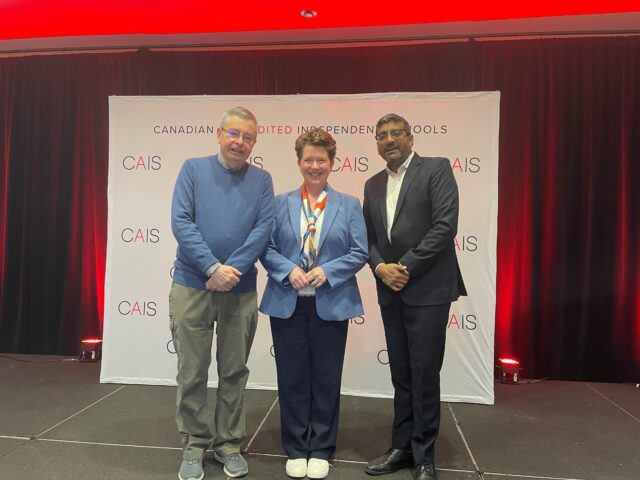
Finally, I would like to thank the Heads, staff and students of all the schools I visited in Canada. Special thanks as always to the PAs and other staff who liaised with Dee at Head Office to pull the trip together. Thanks to Anand Mahadevan, my opposite number at CAIS, for his invitation to the Conference in Kelowna, and to him and his team for the warm welcome to Canada. It is a beautiful country with some exceptional schools and I was very fortunate to spend a glorious Sunday visiting the Niagara Falls, despite the six-hour round trip occasioned by a closed highway!

Date
22 January 2026
Share