Blog
To Ban or Not to Ban? Mobile Phones and Social Media
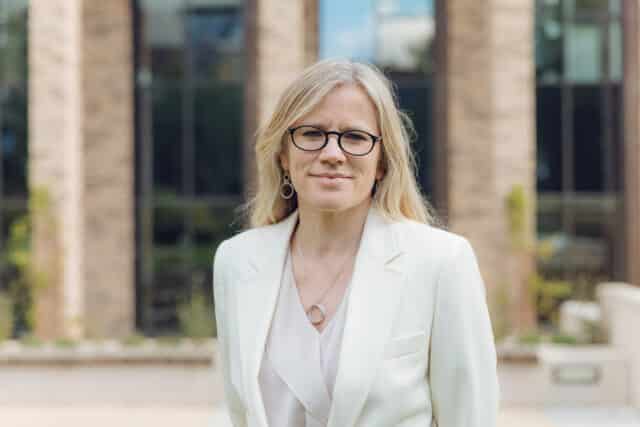
Jo Sharrock
Head, Putney High School
Read the blog
Recently I was invited to attend the premiere of Molly Vs The Machines. A film by Marc Silver, it tells the story of Ian Russell and his fight for online safety following the tragic death of his daughter Molly. “It examines how Molly’s life and death were intertwined with algorithms born and generated in the depths of Silicon Valley.” In a landmark judgement, the coroner recorded that Molly died from an “act of self-harm while suffering depression and the negative effects of online content.” Made in close collaboration with Molly’s family and friends, it is a deeply moving tribute to this young girl and the courage of those who loved her.
Just a few days earlier our current education secretary had declared that schools should be phone free for the entire day, including break and lunchtimes. Weeks before that, opposition peers in the House of Lords supported legislation for banning under-16s in the UK from social media platforms.
Confronting our Addiction
Meanwhile, in America, a series of trials is taking place in which Meta and YouTube are accused of peddling products that are harmful by virtue of being addictive.
It is hard to imagine there is any meaningful defence the tech companies could mount. Sean Parker, one time president of Facebook, whistle blew quite early on, describing a ‘by design social validation feedback loop’ that would give users a little dopamine hit and keep them coming back for more. Parker admitted the company understood this and did it anyway.
I wonder if that ‘move fast and break things’ poster still graces the wall of Meta? And I wonder how much longer ordinary people are prepared to tolerate this approach if it means breaking our children?
The time has come to confront our addiction. We have allowed into the fabric of our day to day lives companies who are open about mining our data, and using it to predict, influence and modify our behaviour.
Those who attempt a digital detox will quickly feel the pull to return to their device from a smartphone dependent world and who can blame them? Thousands of experts in digital addiction and a multi trillion-dollar industry is working to make sure you stay logged in.
We know that those with addictions need support to stop using. Parents and schools are already playing their part, but they need help. There is a wider societal issue at large here which requires government intervention.
So, to ban or not to ban?
The debate on whether or not to ban social media in part centres on whether the danger lies in the addictive nature of the platform or the harmful content that can be accessed. Surely the truth is that we need to consider both.
We need to control access to an addictive substance whilst also holding tech companies to account on the content their platforms allow. Just as it is attendant on pub landlords not to serve underage drinkers, so too must it be attendant on the tech companies not to allow access to inappropriate material.
Childhood is changing
A social media ban for teenagers would not be a panacea, but it could be a big step towards tackling a leviathan that is fundamentally changing childhood and for some, turning it into an isolating, sedentary and dangerous affair.
In Australia early signs are that where parents and schools support the ban, young people are deactivating accounts – going out more and doing more things. Whilst far from universal, it feels like a positive step.


The Putney approach
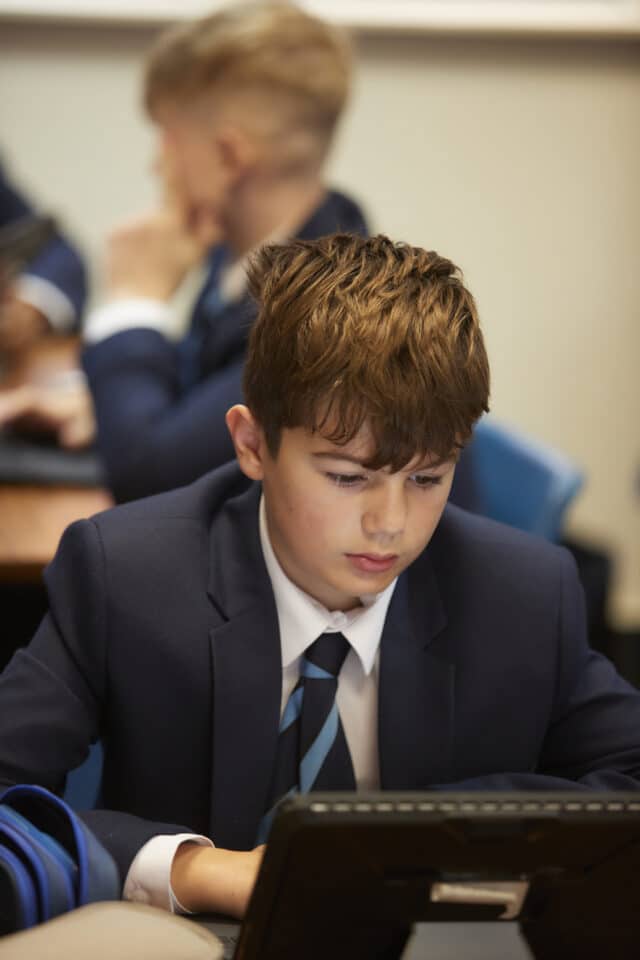
Since the introduction of yondr pouches, in which all students must lock away their phones during the school day, and the full ban on smart phones for those under the age of 13 at Putney, we have seen a hugely positive impact on wellbeing, engagement, and relationships.
In Year 7, we have noted a significant decrease in friendship issues associated with online activity. Whilst pupils are still keen to unlock their pouches at the end of the day, and switch their phone back on, it no longer has that feel of desperation of the early days.
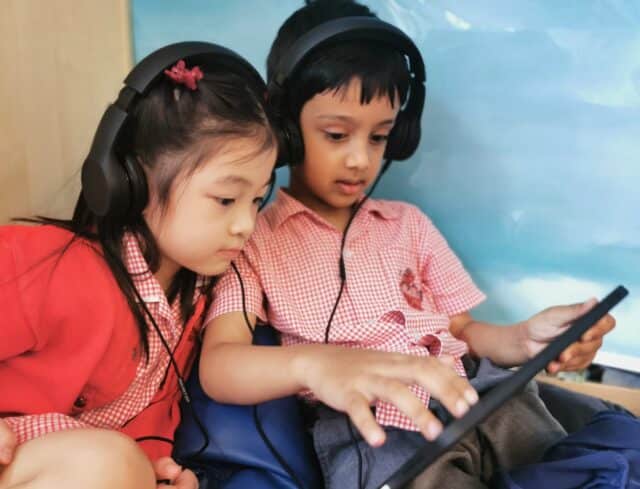
We have taken an age appropriate and proportionate approach. Whilst social media and mobile phones are banned, technology is not. We seek to teach our students to understand technology, to interrogate it and control the tool rather than it controlling them. Perhaps we can build a future generation of tech experts who act ethically and design a safer digital world for all.
A shared purpose and optimism
As we wait for our government to act, those of us leading schools continue to do our bit, working with parents and crucially our young people – a blend of safeguards and education. We certainly don’t have all the answers, but what we do have is a shared purpose and optimism that we can build a better digital future.
When Molly Vs The Machines airs on Channel 4, I encourage you to watch it and if you think it suitable, rewatch it with your teenager. Take the opportunity to open conversations, to better understand their experience, their worries and in turn, for them to understand your worries and your wisdom. It may help our teenagers to understand why we are willing to take difficult decisions on their behalf.
Date
9 March 2026
Share