Blog
Beyond Borders: Strengthening HMC’s Connections in Australia and New Zealand

Dr Simon Hyde
Chief Executive, HMC
Read the blog
Two years ago, Kate Howell, our Director of Education and I visited Australia at the invitation of Chris Duncan, CEO of AHISA (Association of Heads of Independent Schools of Australia). The blogs covering the trip in 2024 are available here and here. It was the first substantial HMC visit to Australia since 2013 when our then Membership Secretary, Ian Power, went to schools in Melbourne and Sydney before travelling on to Auckland and Christchurch in New Zealand. Ten years before that, Graham Able, then HMC Chair, had visited schools in Perth, Adelaide, Melbourne and Sydney. Of course, HMC’s links to the Antipodes are of much longer duration. The founding international members of HMC in 1921 were from the then four Dominions of Australia, Canada, South Africa and New Zealand and I was delighted on this trip to visit six of the seven original Australian members and two of the three New Zealand schools in Auckland.
This year, Kate and I again took advantage of the summer break to visit thirty schools over four weeks. Kate flew out first to Brisbane and I joined her a week later in Sydney before flying on to Adelaide and finally Auckland. You can read Kate’s reflections on Brisbane and Sydney here. I shall save my reflections largely for Adelaide and Auckland, whilst permitting myself a few more general observations.
As in the UK, school visits internationally serve numerous purposes, but not least is the importance of connecting in person. I recall a comment from Tom Lawson, Head at Eastbourne College, who remarked after a pleasant supper and at the end of a long day, ‘I never knew you were like this.’ I think it was a compliment, but it reinforces the point that HMC is built on personal relationships, and we are stronger if we know each other better. Our 2030 Strategy looks to build on these connections not just in the UK, but across the world, where knowledge of the association and what it has to offer can be limited, even in schools that have historically been in membership. It may come as a surprise to learn that 55 schools in Australia and 12 in New Zealand have at some point been in HMC. Today we have only one school in New Zealand and six in Australia, though I am pleased to say that this number is growing.
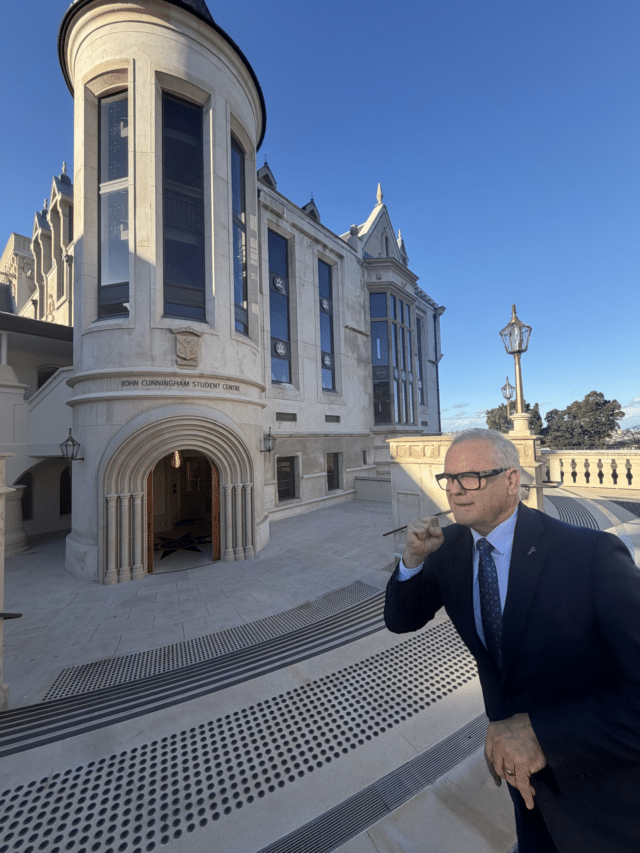
Visiting heads in their schools is an enormous privilege. It can offer a rare opportunity for them to reflect on their accomplishments, discuss the challenges they face and share a pride in their schools. Next year Ian Lambert completes 21 years of headship at Scots College in Sydney, but the years and headmasterly gravitas fell away as he toured us around the newly opened John Cunningham Centre. This remarkable tribute to his vision and belief in aesthetic and architectural quality brought a twinkle to his eye, perhaps reminiscent of boyhood visits to a toy shop. An hour with Michael Parker at Newington offered a fascinating and sometimes moving insight into the school’s difficult journey to co-education, the toll that leading change can take on leaders and their families as well as the need for heads to combine deep commitment and integrity. Perhaps most remarkable of all was Dan Reddiex at Dilworth School in Auckland, whose appointment coincided with the breaking of one of the most horrific historic abuse scandals in history, stretching back over fifty years and involving hundreds of young boys. Fuelled by his Christian faith and a determination to do better for the young people in his care, Dan is bringing about a renaissance for Dilworth, which provides full bursaries for all of its students whose families must face financial or personal hardship to qualify for admission.
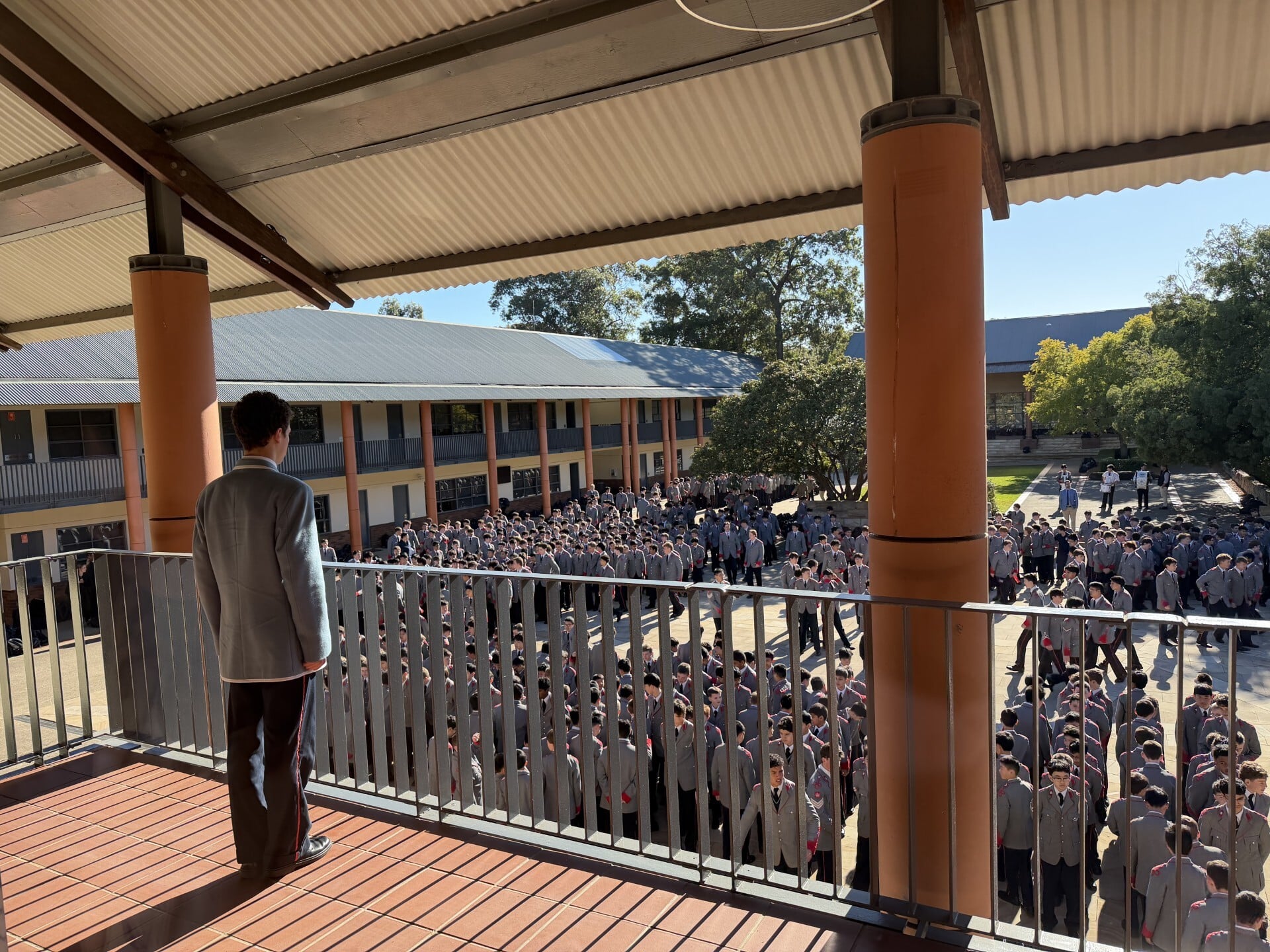
Our international visits are generally planned around either a conference or schools currently in membership of HMC. So, it was good this year to welcome Anne Johnstone, newly installed Head at Cranbrook School into membership of the association. Before a tour, Kate and I had lunch with Anne’s senior team, an opportunity to answer questions about the association and encourage participation in our networks and activities. We had met Anne two years ago at Ravenswood School for Girls and I am pleased to say that Anne’s successor, Sue Floro, was amongst the Heads reaching out to us to enquire further about membership. Recruitment is not our intention in visiting non-member schools, but it is always welcome if the trip provokes an interest in HMC. More important is gaining insights, connections, potential speakers and partners as well as sharing awareness of HMC’s work for staff and school communities. At King’s Parramatta, for example, there was the chance to congratulate Stephen Edwards on his promotion to lead the school after 27 years’ service. Again, we first met Stephen two years ago and I was honoured to join him on stage at a whole school assembly to answer questions about HMC, my own King’s, the King’s School in Macclesfield, and somewhat less comfortably, the World Cup.
Reaching out to members further afield is always going to be more difficult and require greater effort, though technology these days has helped somewhat. Again, colleagues may be surprised to learn that the first formal HMC trip to Australia and New Zealand was in 1938 when Frederick Malim, three-time HMC Chair and Master of Wellington College, undertook his remarkable Four Dominions Tour on behalf of the association. The tour (starting in South Africa and ending in Canada) lasted just over eight months and cost £600, or around £52,500 in today’s money. The Chair of the subcommittee that arranged the tour was KJF Bickersteth, then Head at Felsted, but previously Headmaster of St Peter’s College in Adelaide, so I was especially pleased to head to the City of Churches on the completion of the week in Sydney.
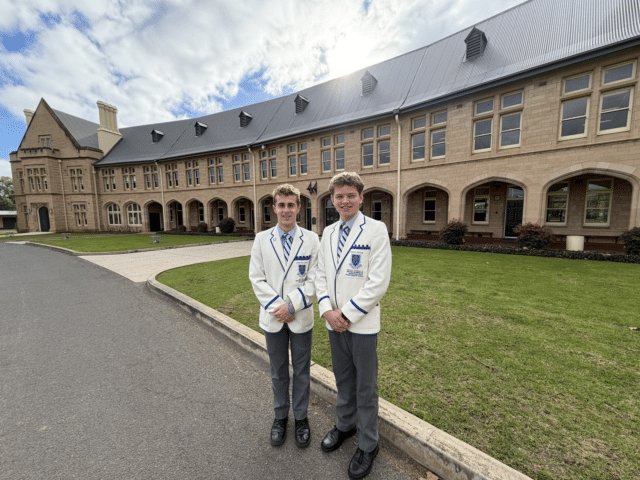
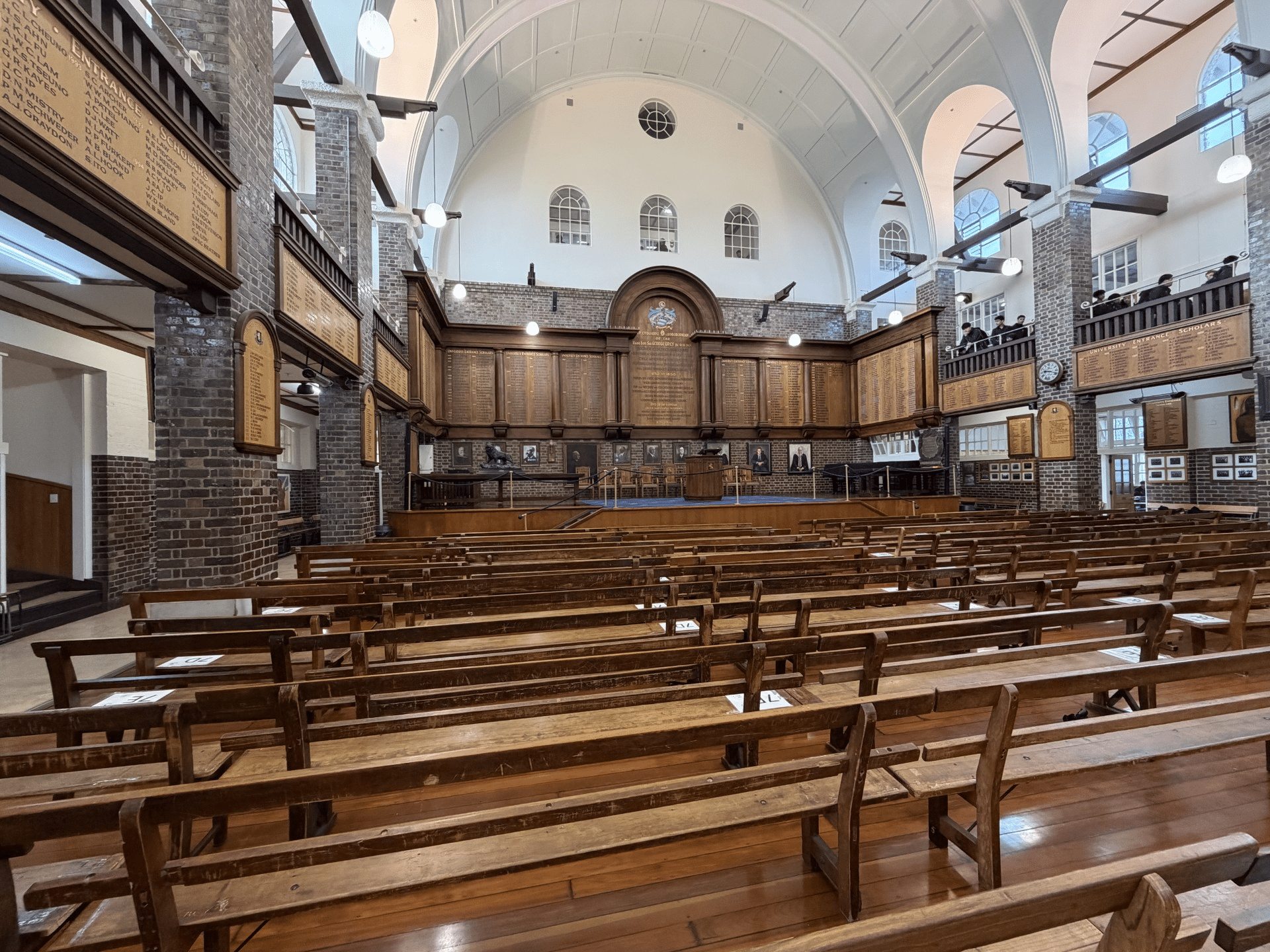
The visit to Adelaide could not have been better timed. Having been founded in 1847, St Peter’s College is one of the oldest schools in South Australia, and it still lays claim to Australia’s oldest classroom in continuous use, the Big School Room. A founding member of HMC’s international division in 1921, Saints (as St Peter’s is known) was in membership until as recently as 2006 and I was delighted to learn that Tim Browning had decided to return to HMC and would be joining us for Conference in Manchester this September. As befits a school of its age and stature, Saints is a fascinating mixture of the traditional and the modern. My tour by the School Captain and his deputy was interrupted as I was politely informed that we should observe silence we passed through the Memorial Arch, a mark of respect from the whole school to the fallen of the Great War and subsequent conflicts. The school’s motto is ‘Pro Deo et Patria’. I was also interested to learn that these young men had returned to school after their final year to serve as school officers. Frankly, it would be difficult to imagine two finer ambassadors and it was interesting to hear from them how Tim’s work had been balancing the school’s healthy respect for the past with a more modern and inclusive spirit using restorative justice, emphasising flourishing over competing, building a growth mindset and redefining masculinity to value strength and love in equal measure. Many schools on my trip eased logistical challenges by arranging transport, but I haven’t previously been collected from my previous school by the Head, but that’s the sort of person Tim is. Do please look out for him and his wife Vanessa in Manchester.
It is always interesting to discover how schools that seem so similar on paper feel quite different when one visits. Saints’ great rival in Adelaide is Prince Alfred College (PAC), another all-through, boys’ school with around 1400 pupils, although PAC’s Early Learning Centre (ELC) is co-ed. Another historic school with ties to HMC, PAC was founded in 1869 and joined the association in 1923. It also caters for day students and boarders, though the boys can take the IB in their final years as an alternative to the South Australian Certificate of Education (SACE). Whilst Saints benefited from an Anglican foundation, PAC is affiliated with the Uniting Church and was named following a visit from one of Queen Victoria’s younger sons. Historically, the school’s heritage is probably more progressive, inclusive and socially liberal than Saints, though the changes of more recent years have levelled many differences. Again, my tour was provided by two outstanding students in their final year at the school, both called Harry, and one of whom had clearly done his research not just on HMC, but also on me! PAC is graced with fine older buildings but is also engaged on a massive renewal programme. The ELC and primary school is recently opened and provides light, spacious and flexible facilities for PAC’s youngest pupils. Headmaster, David Roberts, arrived in 2022 from Newington College in Sydney and is to be congratulated in leading a fine school with such purpose and ambition.
None of HMC’s early international members were girls’ schools, so I am always keen to visit and, if possible, make connections with some outstanding school leaders. I had assumed that St Peter’s Girls’ School (Saints Girls) would be the sister school of the boys’ school or at least related in some fashion. In fact, though both are Anglican, the foundations are quite distinct. Initially operating from a site close to Adelaide’s Anglican cathedral, it moved to Stonyfell then on the outskirts of the city in 1957. The Emily Centre is named after Mother Emily Ayckbown, the founder of the Community of Sisters who established the school in 1894 and combines a fabulous sports complex with outstanding facilities for the performing arts. Making the best use of space, there’s an underground car park and bus parking bays. High-quality design and pristine campuses were very much common features of the girls’ schools I visited. A favourite, if I am permitted, was the Mabel Jewell Baker House at Walford Anglican School for Girls. Named after a pioneering Head, the building preserves, adapts and brilliantly extends an original 1874 ‘colonial style’ property in the heart of the high school campus. It is not difficult to see that the current Principal, Dr Deborah Netolicky, amongst her many academic accomplishments and awards, initially qualified in Fine Art. What impressed me most, however, was the decision to house the school’s Year 7 girls in this fabulous building. As such it speaks to the school’s desire to welcome its new students, much as the Friday morning coffee van welcomed me to this lovely school.
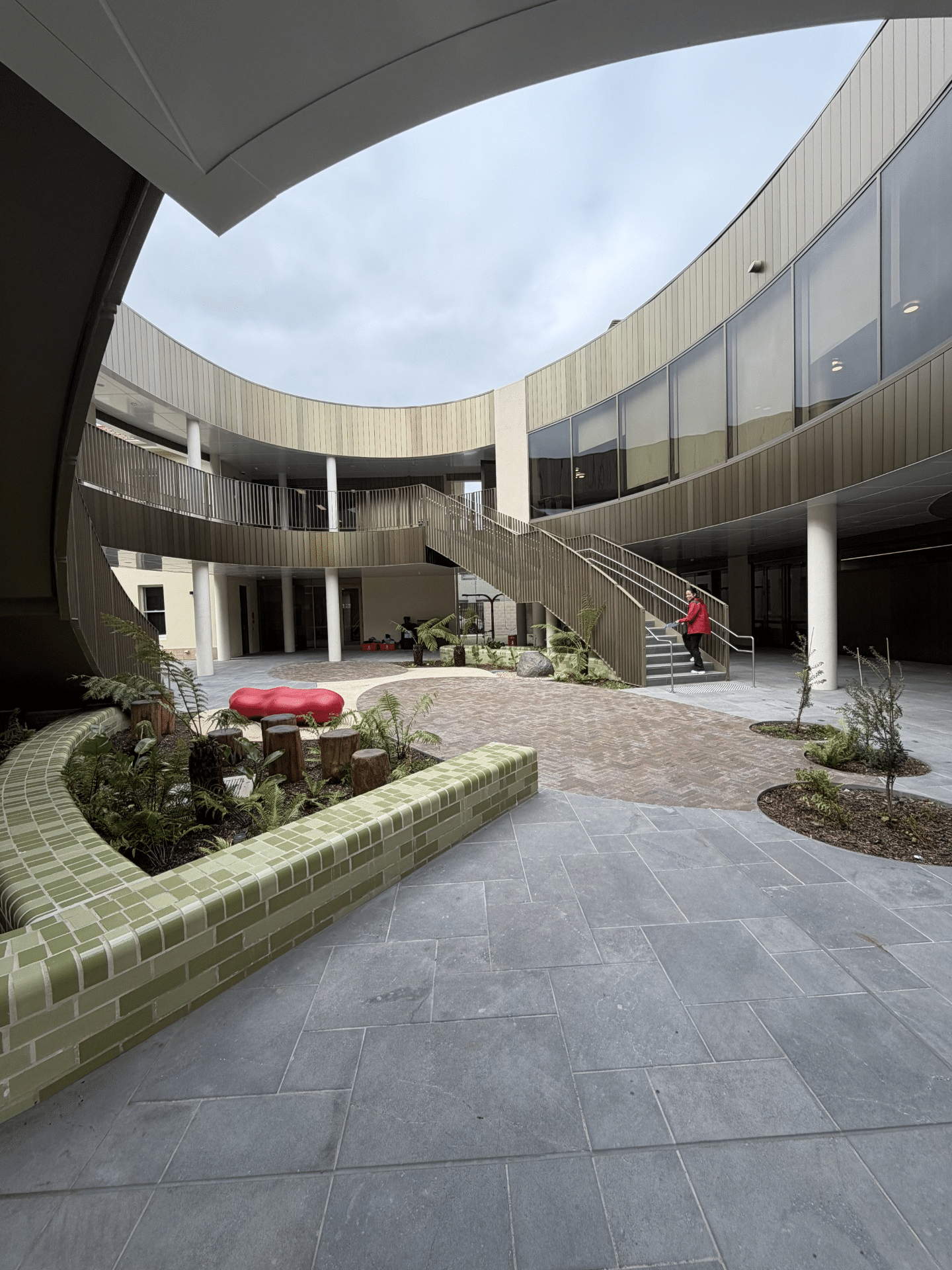
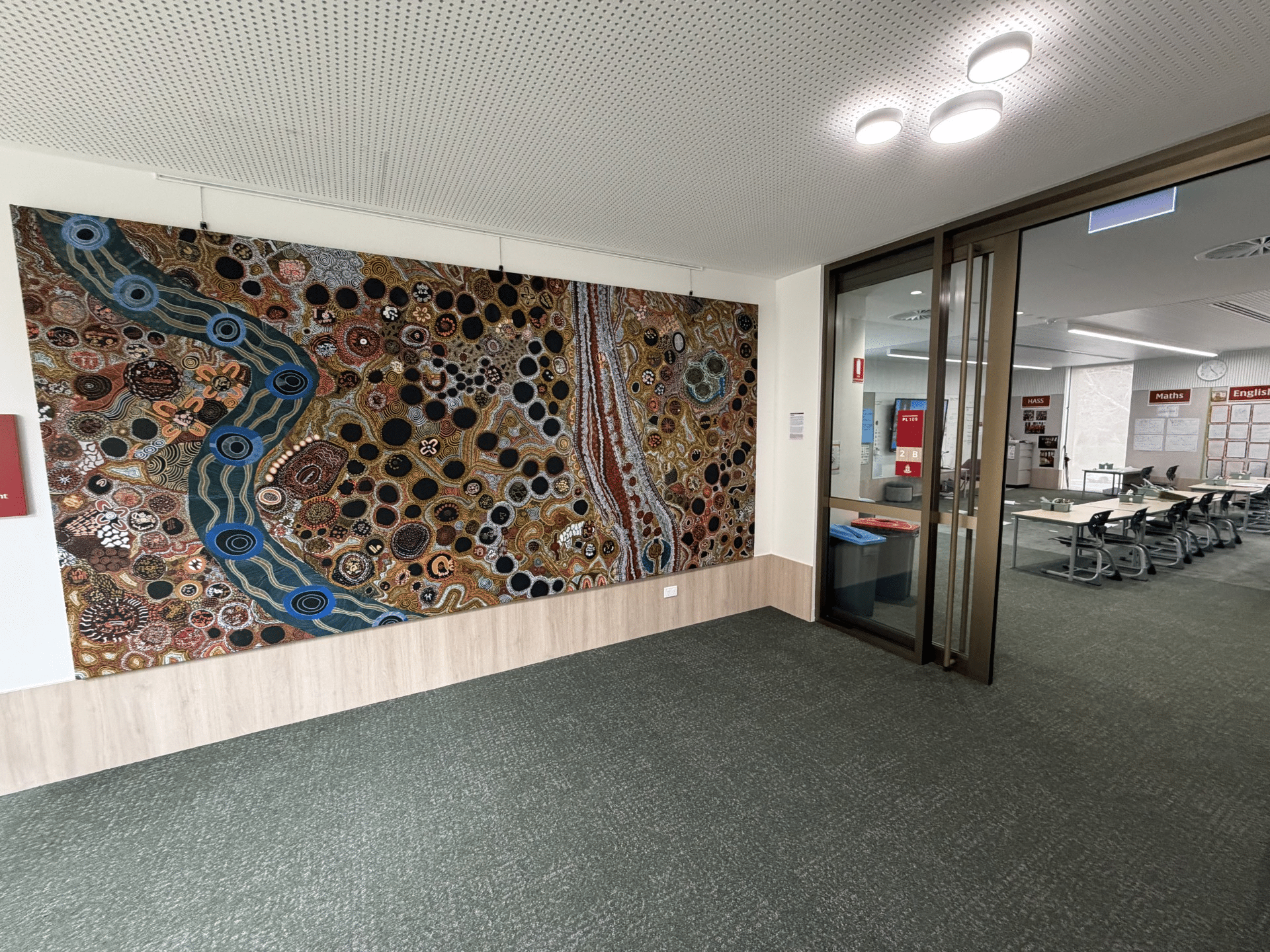
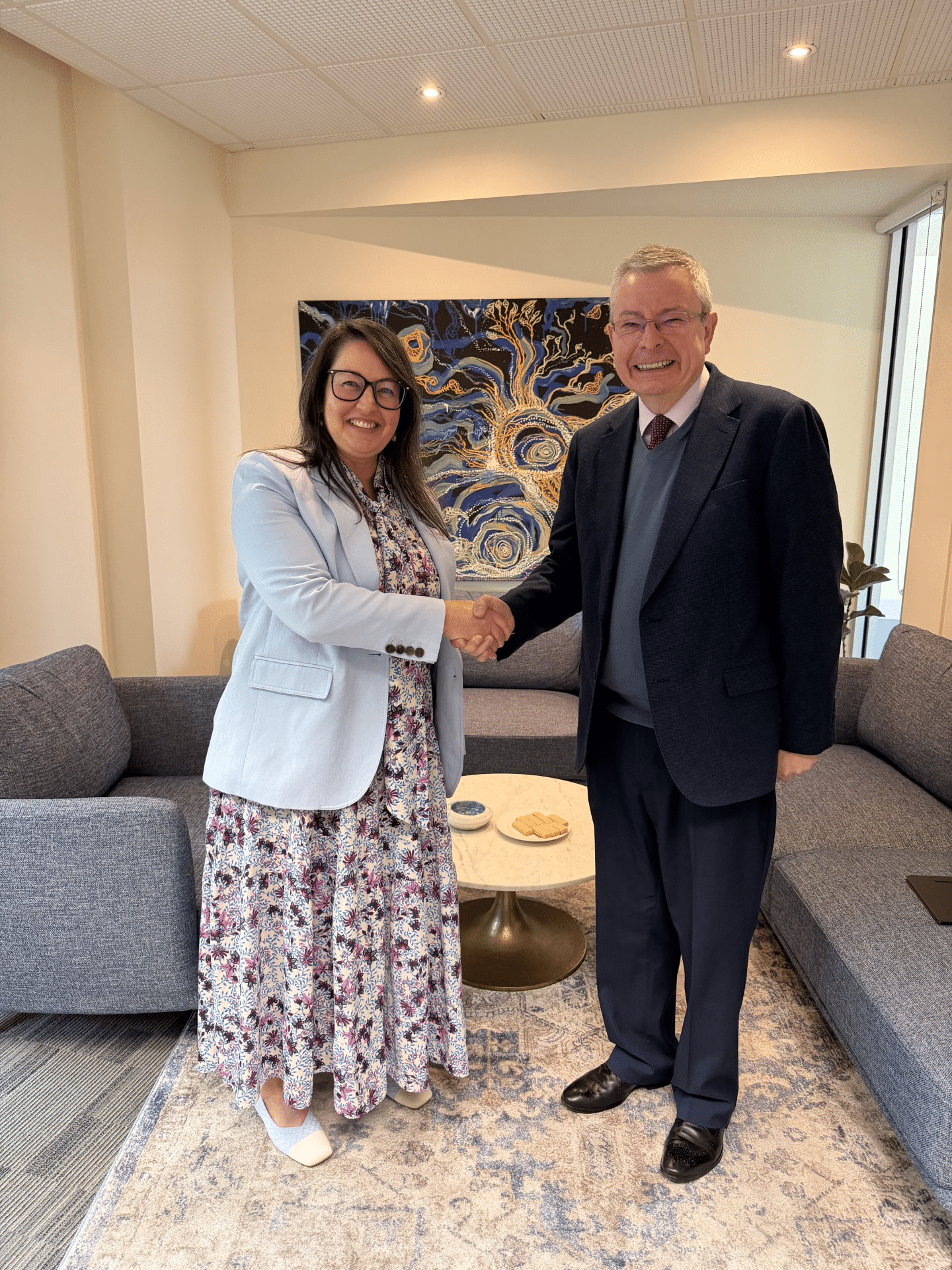
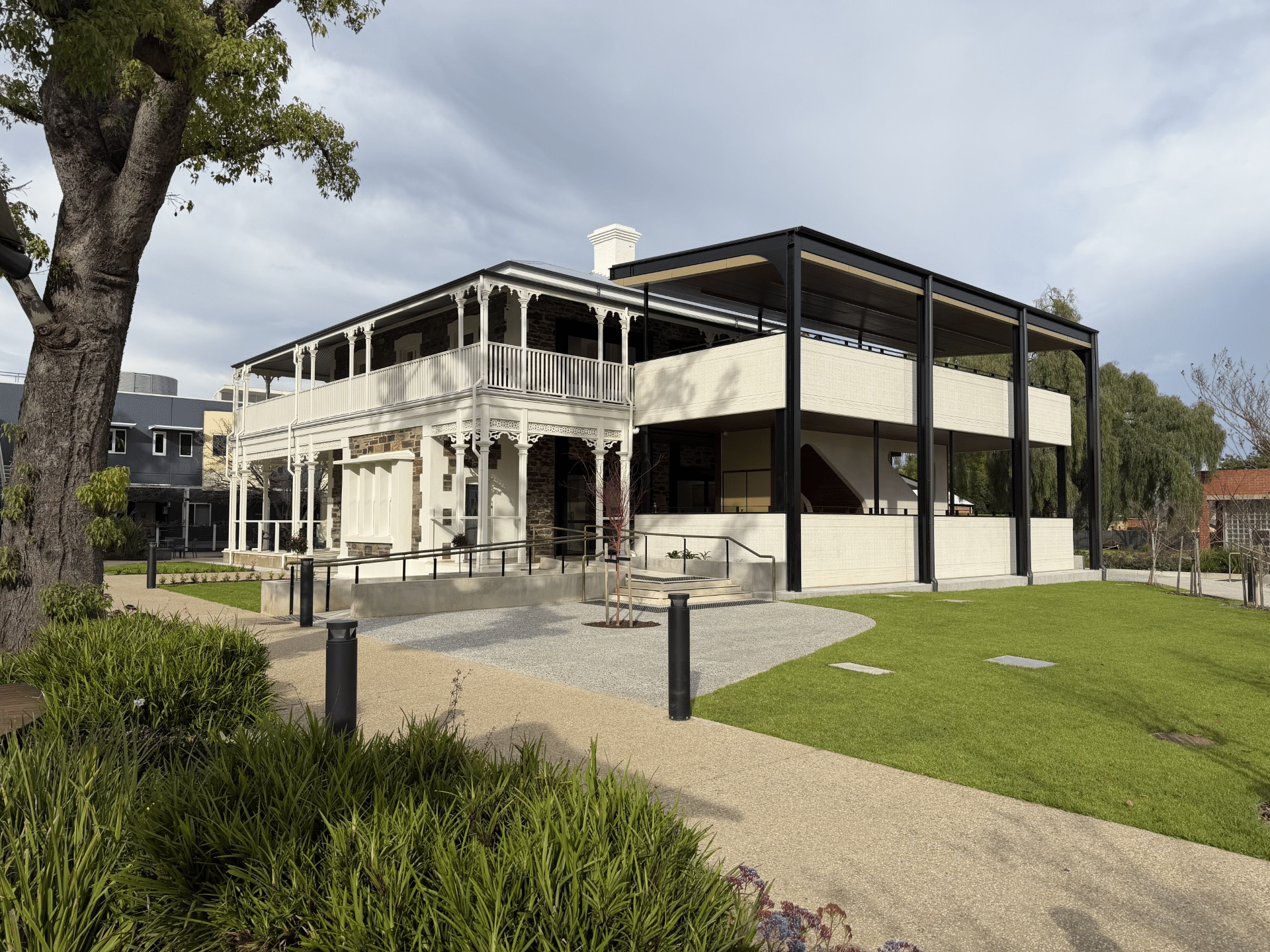
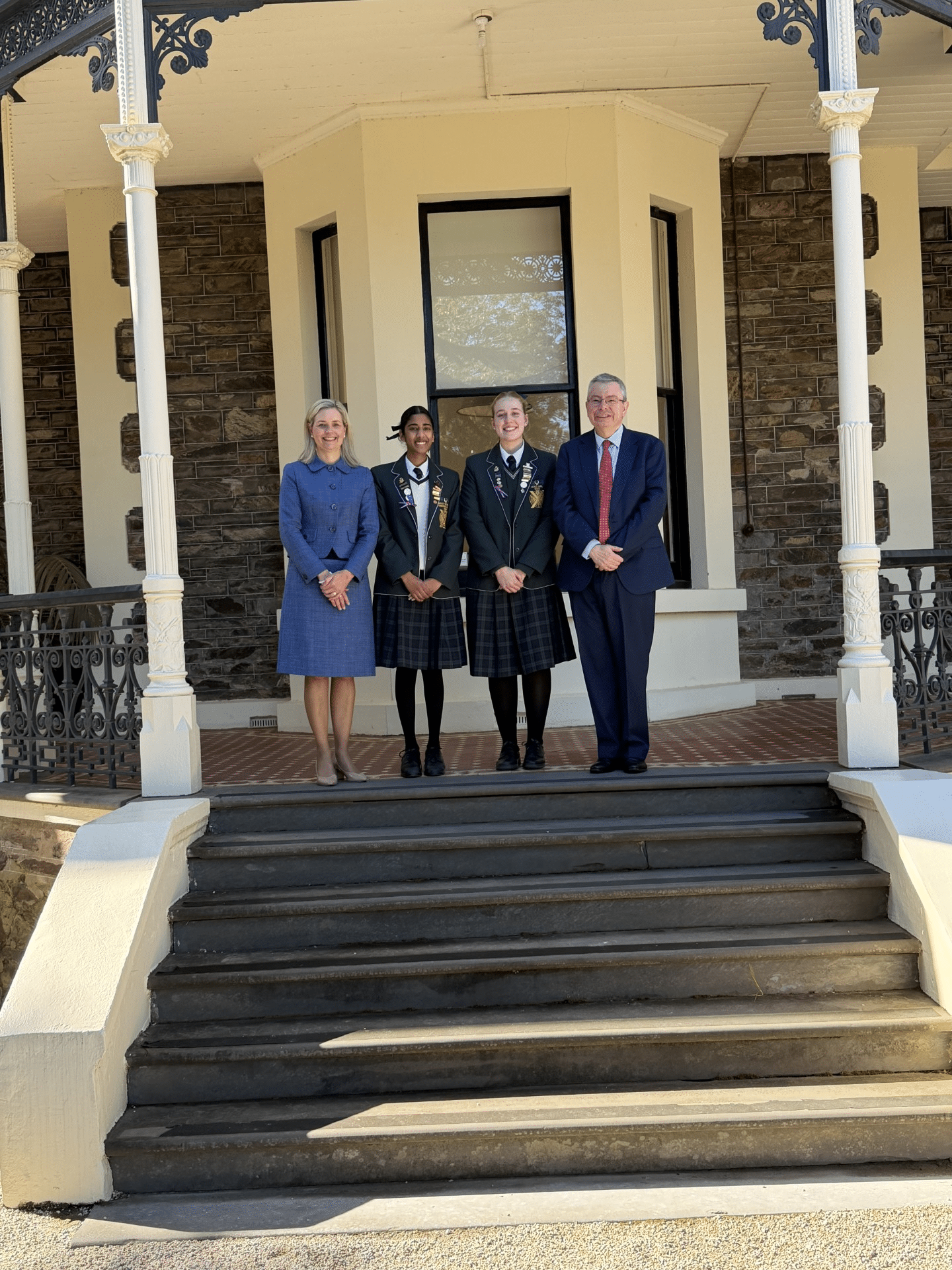
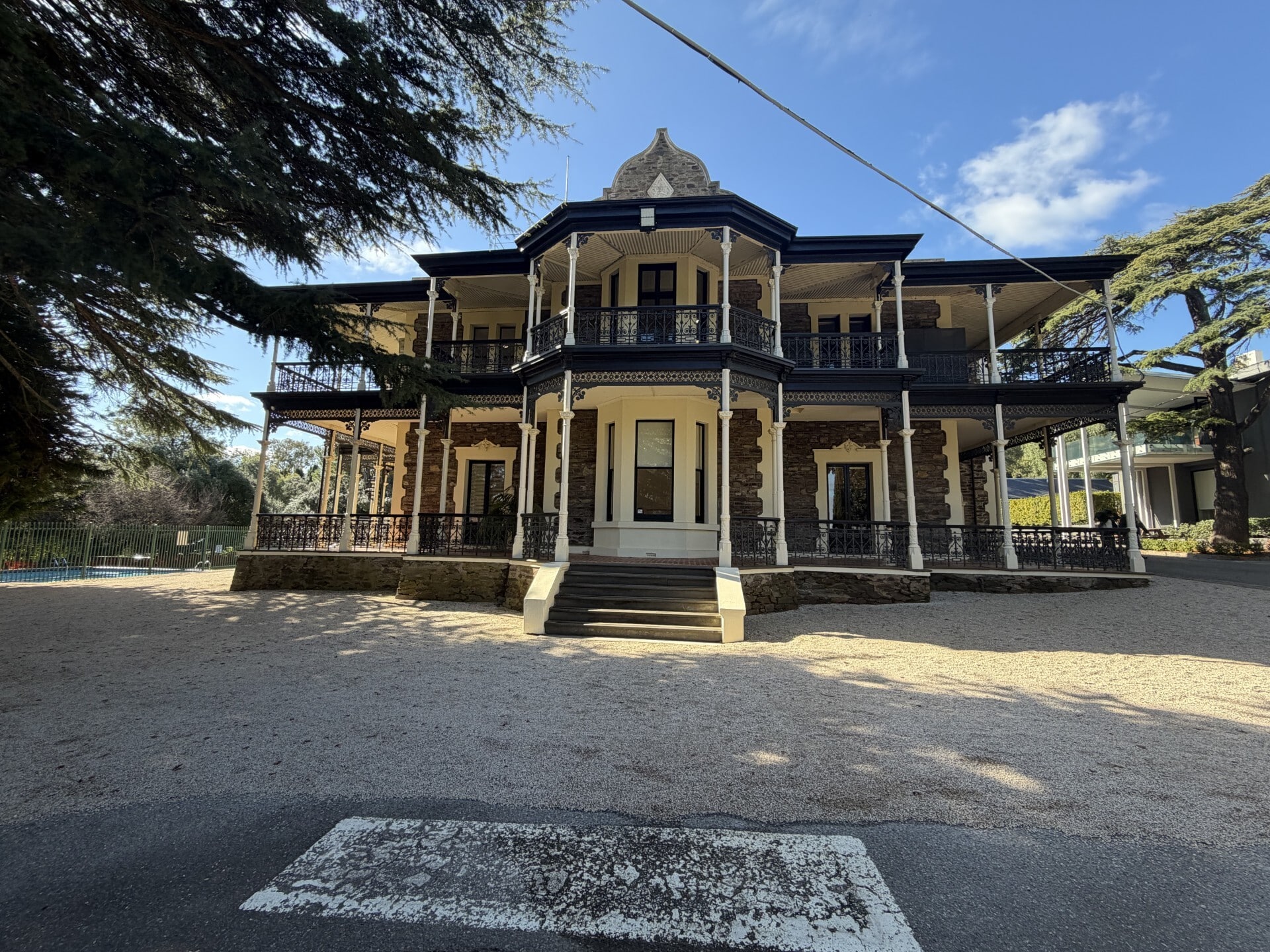
Loreto College builds on the themes of all-girls education and academic excellence. Its distinctive feature is that its foundation is Roman Catholic. It is part of an historic network of Loreto schools across Australia rooted in the tradition of Mary Ward and the Loreto Sisters, who placed a strong emphasis on social justice and community consciousness. Whilst none of the schools we visited on this trip were exactly ‘low fee’ in the Australian context, fees at Loreto are more accessible at around AU$21k a year (or a bargain in UK terms!) Although Catholic in foundation, the school welcomes girls of all faiths and none, asking simply that their ethos and identity is supported. My final girls’ school came as something of a bonus on discovering that Tim Browning’s wife, Vanessa, is also a Head at Seymour College, so it was a pleasure to receive an invitation to call in for my last day in the city. Like a significant number of school leaders overseas, Vanessa’s background is as a primary specialist, and she is another example, should more be needed, of an outstanding executive leader of a through school with a background in primary. Most welcome was the opportunity to sit down and chat with her two heads of school, remarkable young women who shared something of their academic pathway, hopes for the future, the importance of Seymour and broader topics such as the government’s social media ban. The view from the hill at the top of the site afforded a vista out to the CBD in the city, another fabulous setting for a great school.
As Ian and Graham discovered during their visits, single-sex education is still quite strong in Australia, especially amongst the more established schools. 93% of Australian children however attend co-educational schools and even in the non-government sector, this figure only falls to 82%. As in the UK, there are strong regional disparities with single-sex schools flourishing more in areas with high population density and, I suspect, greater affluence. I visited two excellent co-educational schools in Adelaide with different paths to co-education. Pembroke School is slightly larger and was formed from a merger in 1975 of Girton Girls’ School and King’s College. The Girton campus now houses the Junior and Senior (Year 11-13) schools, with the Middle School on the King’s campus. Generally regarded as an academic heavyweight, Pembroke has a very strong IB programme, although like most Australian schools, it is not academically selective. Scotch College, on the other hand, was founded as a memorial to the fallen of the First World War as a Presbyterian boys’ school in 1919. The move to coeducation in 1972 was in part welcomed as a means of boosting the school’s numbers, a strategy that has been remarkably successful. Educating around 1,200 students on two campuses, Scotch has been able to invest in its estate including a farm, 3,500 recently purchased hectares in the Flinders Ranges and a remarkable sports complex with its views over to the centre of Adelaide. Principal and CEO since 2023 is another Newington import, Trent Driver, an economist by training, but one that combines an appreciation of both the educational and business aspects of school leadership. Scotch is unusual amongst Australian schools in that it has an overseas franchise in Vietnam, offering the Australian curriculum. It is also a member of the Global Alliance for Innovative Learning (GAIL) with schools across the world, including our own Robert Gordon’s College in Aberdeen.
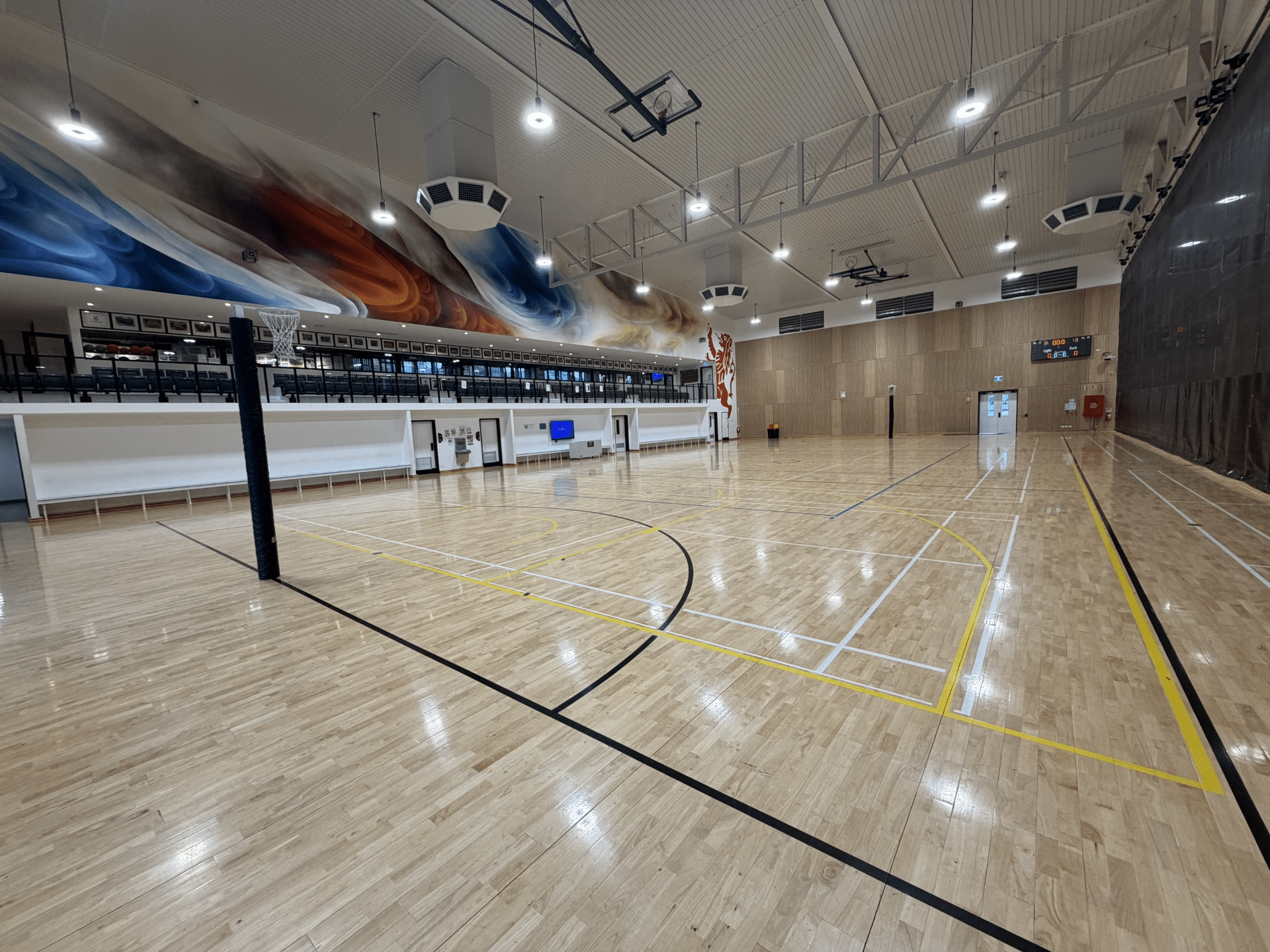
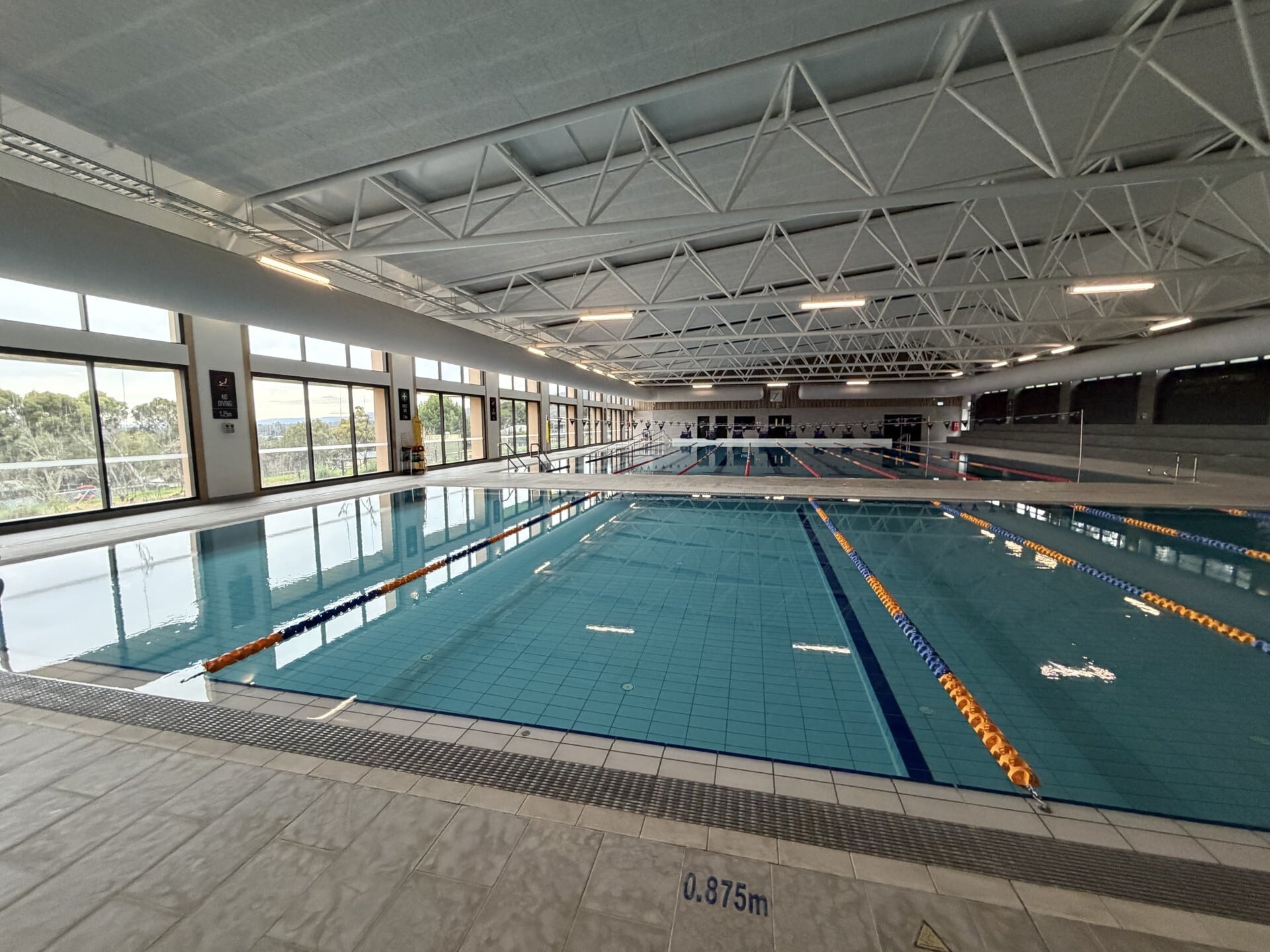
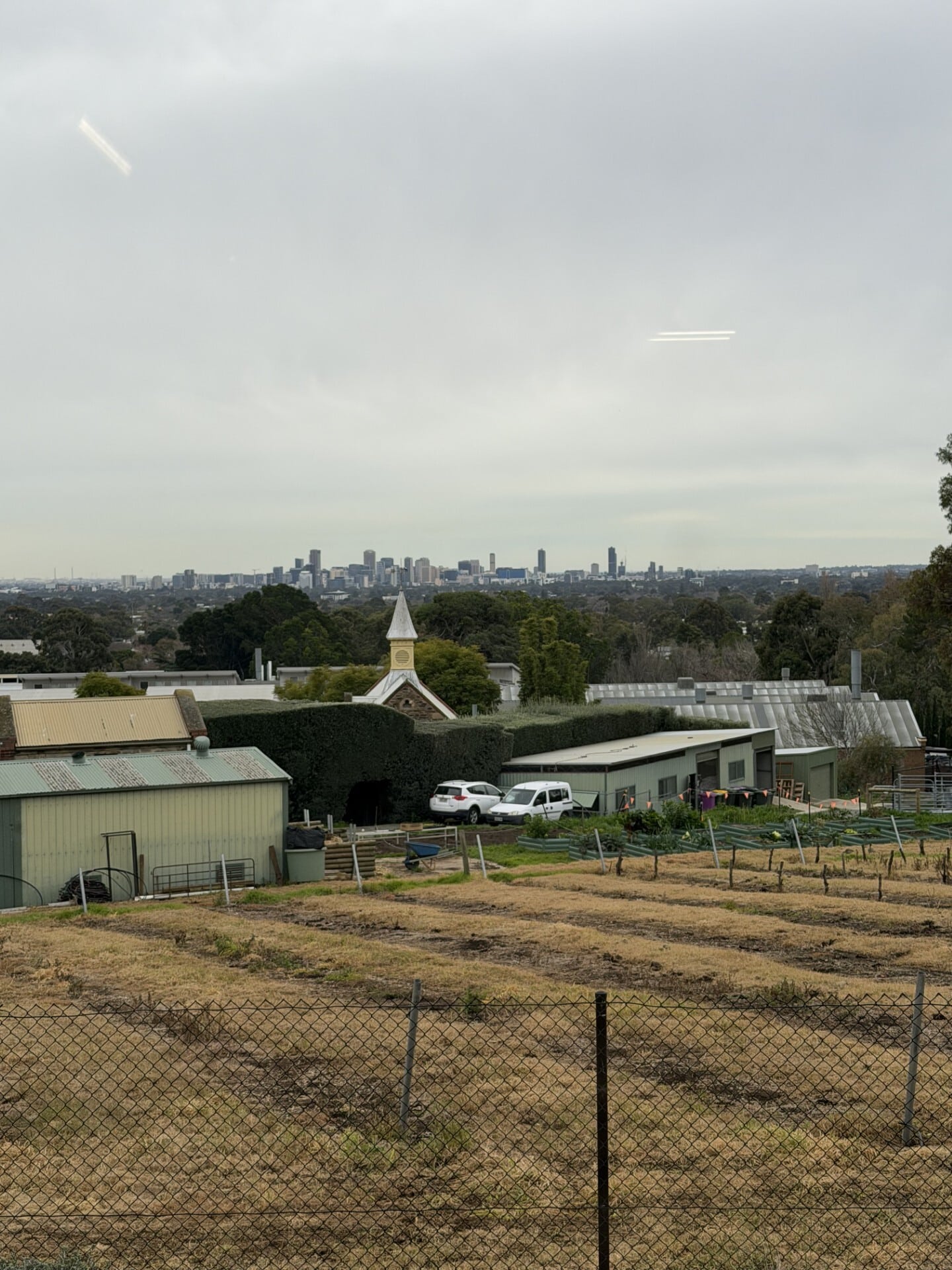
If the evidence of the schools I visited in Adelaide is anything to go by, then the sector is doing well, although I detected more realism than on my 2024 visit to Melbourne and Sydney about the growing cost of independent schooling, the potential impact of economic problems and an inability to rely in the longer term on government funding, at least not at current levels for the highest fee schools. A couple of colleagues on the trip kindly recalled the presentation I gave to the meeting of the NSW branch of AHISA when I had spoken about VAT, its likely impact and potential lessons to be drawn from the UK’s experience.
The South Australian Certificate of Education (SACE) was another point of interest. Built on credits normally achieved over the final two years of school, the qualification, which is also accessible to adult learners and through vocational study and training, is mainly examined via continuous assessment with 30% externally examined or assessed through centralised tasks. There are compulsory numeracy and literacy requirements, and a broad range of optional subjects and skills, some of which are vocational. Inevitably this leads to some debate about comparative standards, and some schools have responded by allowing students to study the IB as an alternative pathway. In practical terms, there are many different routes into university entrance and the propensity of Australian students to study in their home areas as well as universities demand for students means that league table positions and raw outcomes are possibly less significant than elsewhere in terms of university selection, though results are important for some courses.
If Australia is leading the world in the health of its independent school sector, the same unfortunately cannot be said for New Zealand. Not that the schools I visited were any less excellent or ambitious, but the environment is certainly harder. Of the twelve New Zealand schools to have been members of HMC, four (including two 1921 members) are now state schools, with another two operating as ‘state integrated schools’. This school type was introduced in 1975 when a number of non-government schools, especially Catholic schools, were struggling to survive and the government faced the very real prospect of having to absorb up to 100,00 children into the state sector. The Private Schools Conditional Integration Act allowed schools to receive full government funding for teaching salaries and operational costs in exchange for teaching the state curriculum, though they were able to maintain their own religious or philosophical identity and receive ‘attendance dues’ from parents to maintain school property. They could also run boarding communities (as state schools can), which is a means for all schools to maintain and develop a distinct revenue stream separate from government funds.
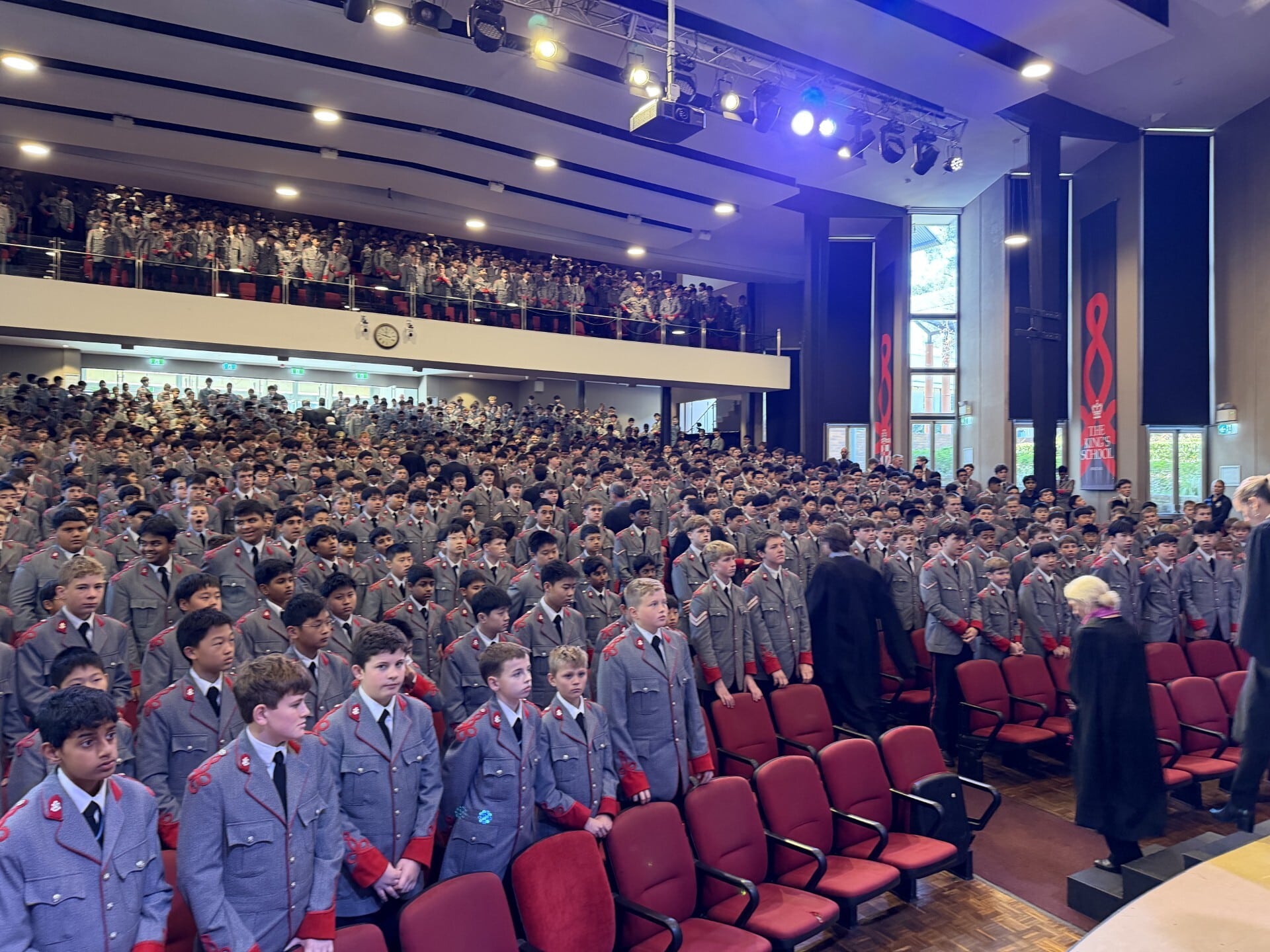
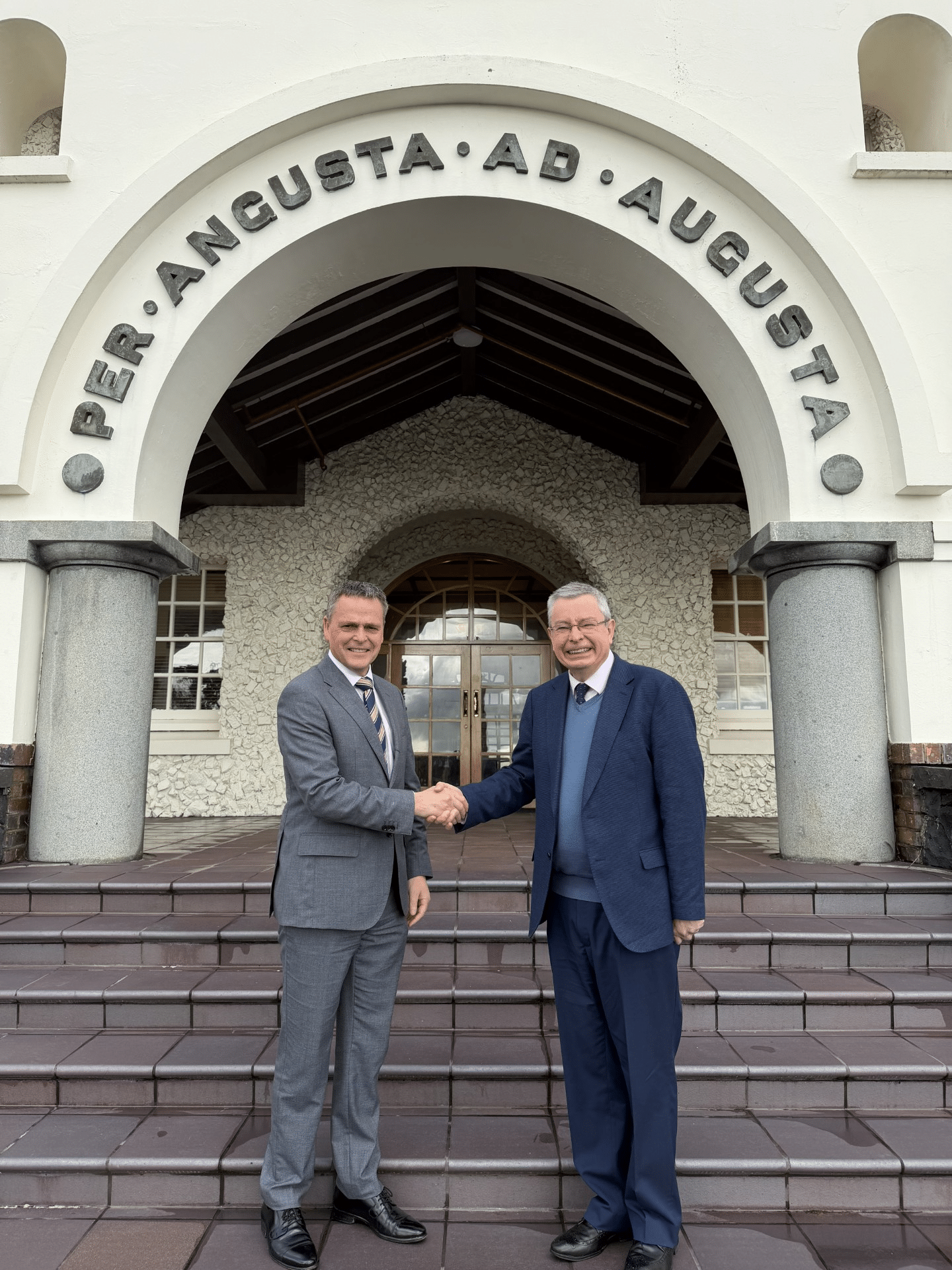
I only had time to visit six schools in Auckland and was pleased with their variety from state to private (the New Zealand term), single sex and co-ed, day and boarding. Tim O’Connor is the Headmaster of Auckland Grammar School, one of New Zealand’s oldest schools. Like PAC in Adelaide, it was founded in 1869, the same year as HMC, and it was another founder member of the international division in 1921 (though the Heads were then admitted to full membership of the association). Now funded by the state (though most parents make voluntary contributions), the school is huge with almost 2,800 boys from Years 9-13, including 120 boarders. Seeing well over a thousand young men in assembly (not all can fit into the hall) was quite an experience, especially as tradition dictates the ringing of a handbell by a Prefect to signal the closing of the doors on this occasion immediately behind their uninitiated guest! Tim’s ambition is that every pupil at some point in their school career should walk across the stage to receive the applause of their peers and he has also done much to try to balance a healthy respect for tradition with an evolving world. That said, the school operates rigorous streaming, and the top half of the year group only is able to take CIE AS and A level qualifications instead of the domestic NCEA (National Certificate of Educational Achievement).
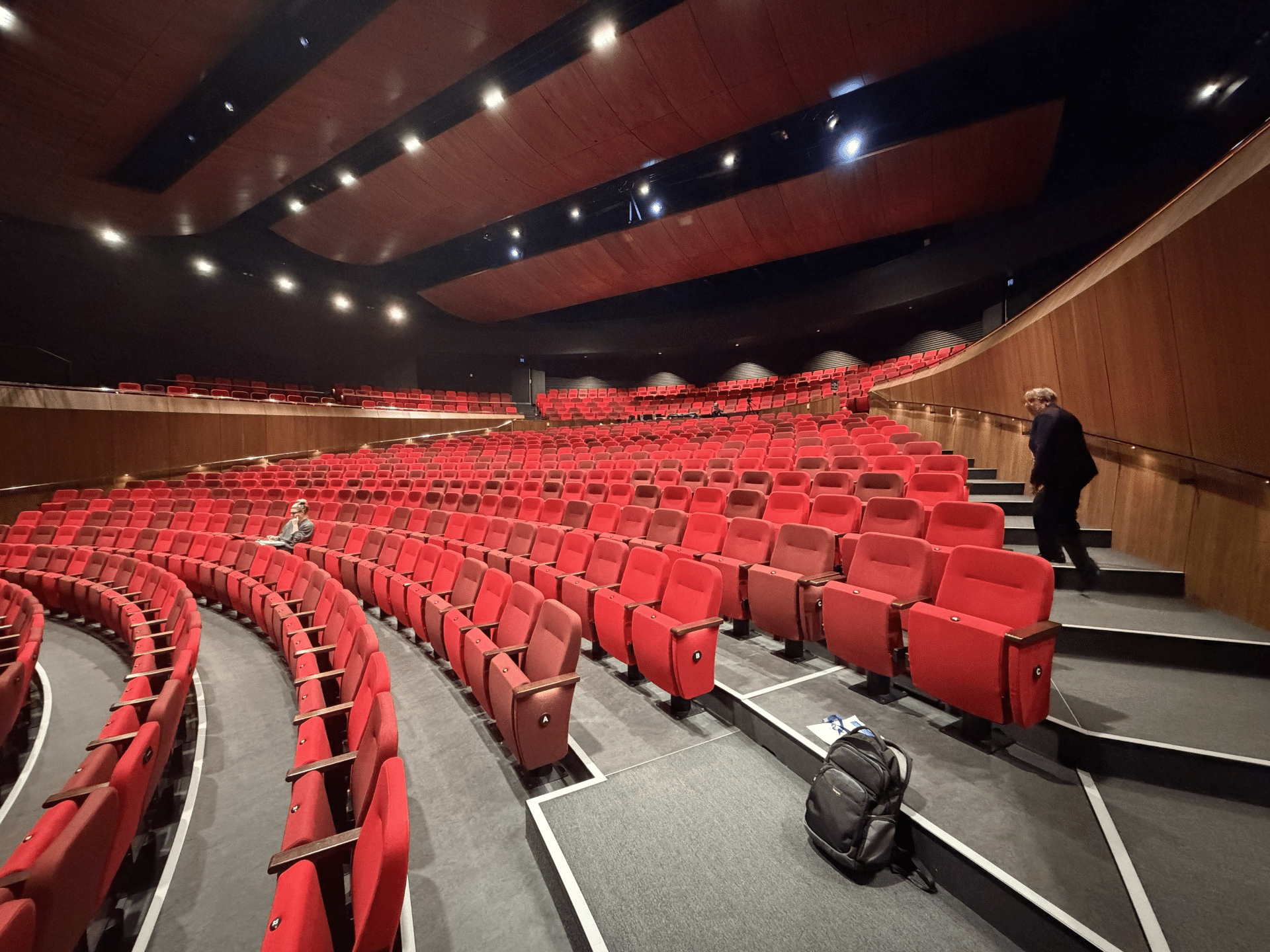
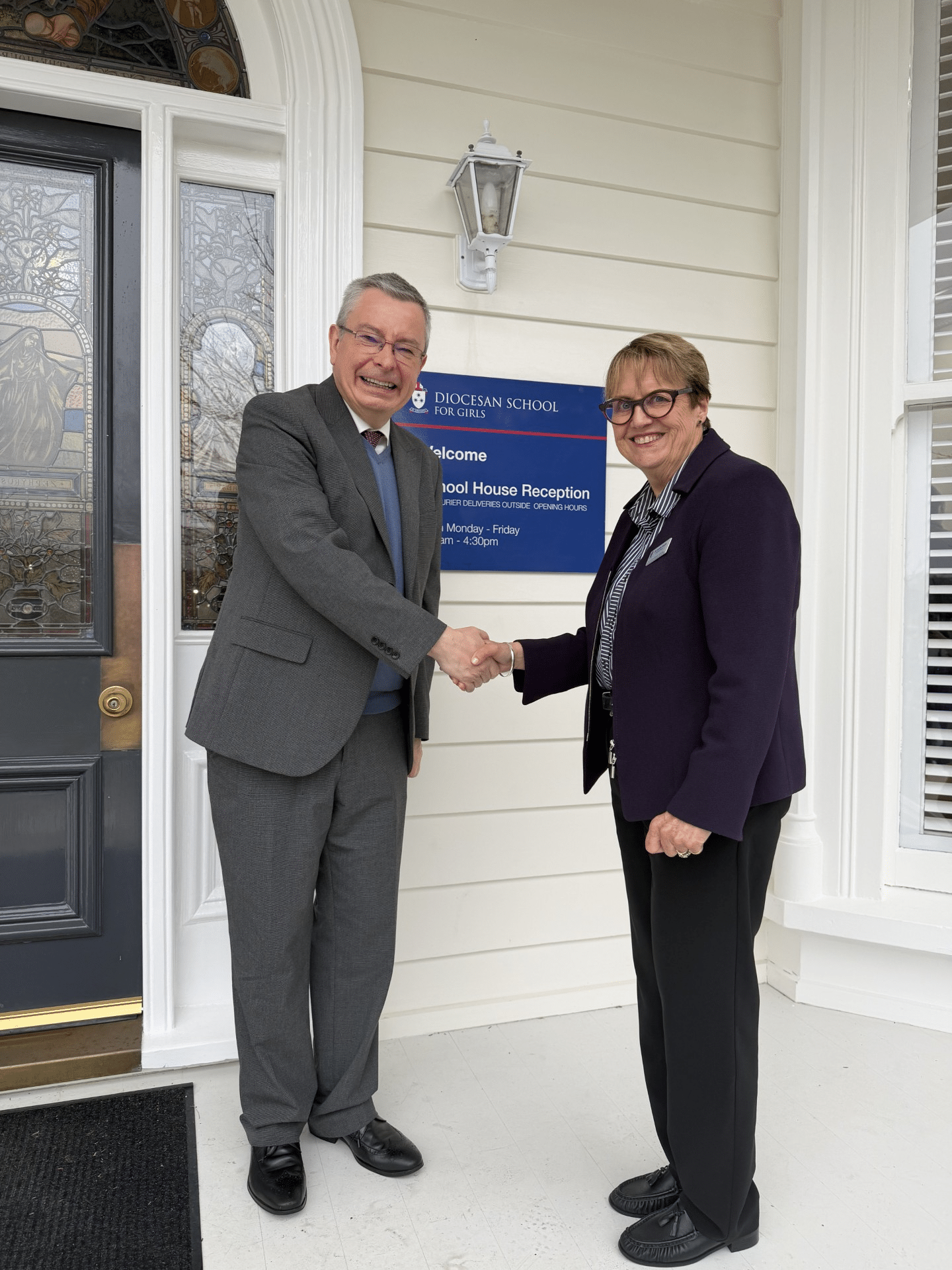
Whilst single-sex boys’ schools in the independent sector in New Zealand have almost died out (Christ’s College in Christchurch being a notable exception), there are single-sex girls’ schools and I was fortunate enough to visit one of the very best, Dio or Diocesan School for Girls. Social media facilitated me to reaching out to the recently appointed Executive Principal, Dr Sandra Hastie, whose credentials and experience are matched only by the warmth of her welcome. Dio was established in 1903 and is now a community of around 1,700 from Pre-School to Year 13 on a dense, if beautifully curated site in Epsom. The school regularly tops the country’s NCEA rankings, though girls can opt for the IB if they choose and fastidious governance has ensured the school has invested in excellent facilities for sport, art and music including a professional quality theatre. I wish Sandra well for her tenure of this outstanding school.
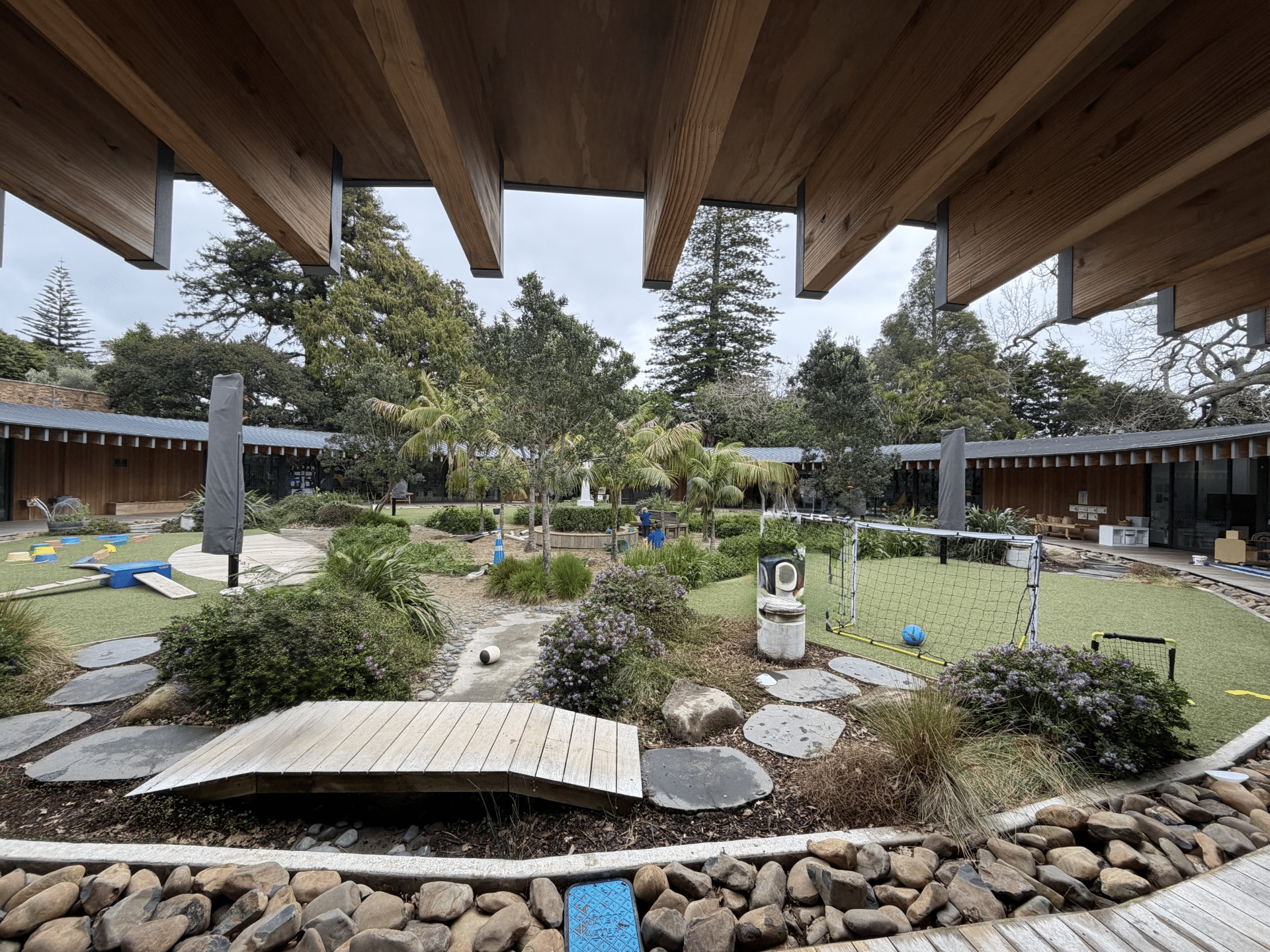
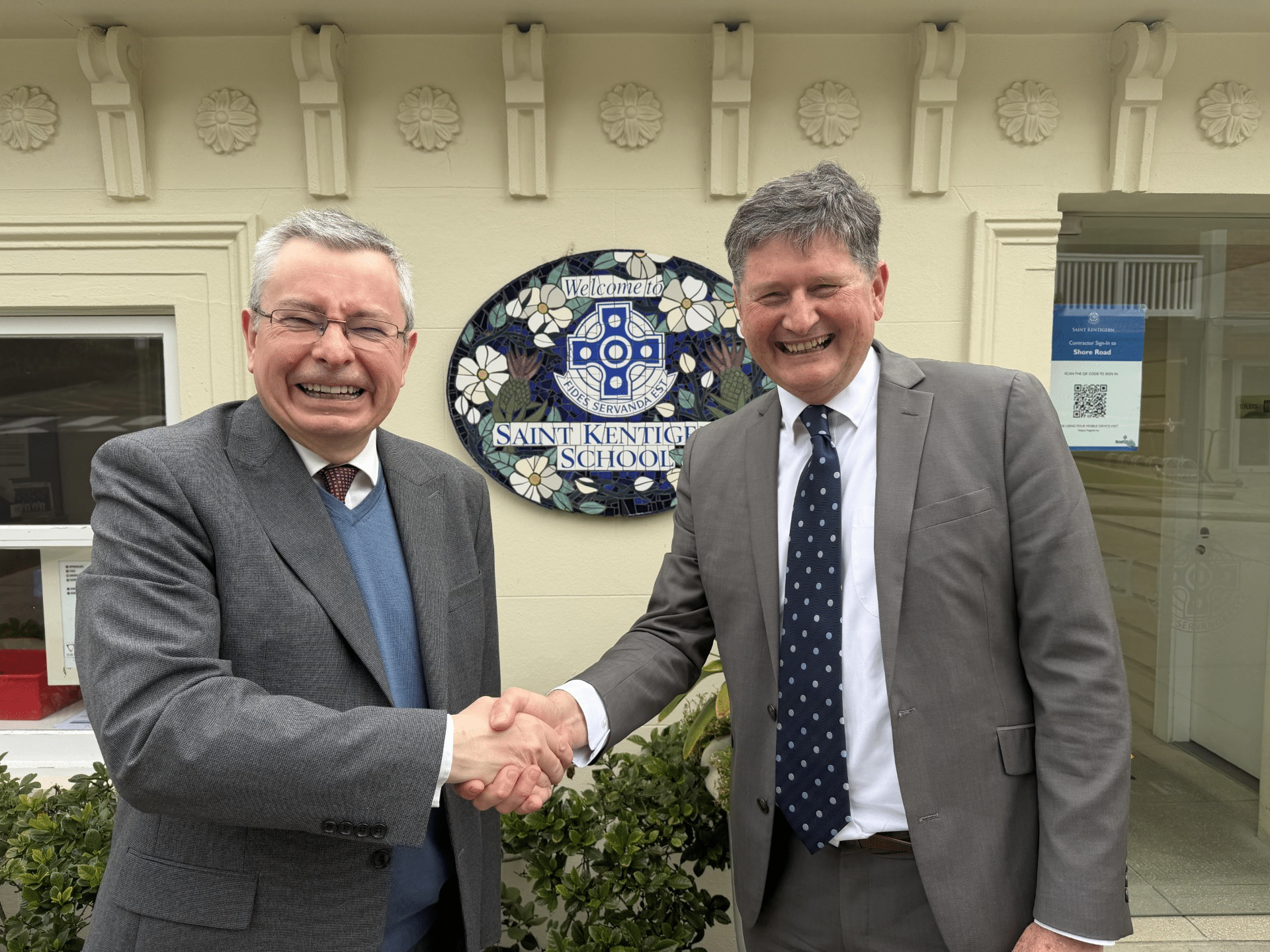
Sometimes school visits come with surprises. I didn’t entirely know what to expect when visiting Saint Kentigern College. Other than a brief period of membership in 1996, our archives were silent on the school. However, at 3,350 students, it was clearly doing well, and it offered an elongated diamond model on two sites with a co-educational early years setting and senior school (Y11-13) and single-sex junior schools and Middle College (Y7-10). In their final years, students are able to choose between NCEA, IB and a mixed Gateway programme which provides vocational training and work experience, choices that were not regarded with any sense of hierarchy by Ellen and Caleb, my immaculate guides. The school’s facilities are excellent and a huge new academic building is on schedule to open at the start of the 2027 academic year. St Kents is clearly a school going places and I saw more clearly precisely why in talking with Kevin Morris, the Executive Trustee, who offered to take me to the school’s Shore Road Campus en route to my next destination. Kevin has a distinguished academic background at the University of Auckland and had joined the school’s board before adding the executive role. The campus is stunning. Rarely have I seen such ambitious and intentional investment in a dedicated primary setting. The circular glazed preschool surrounds an interior courtyard where boys and girls can explore and play and the views over Auckland harbour are magnificent. There are separate buildings for the girls’ and boys’ schools (the girls had previously occupied another site) and their scale was the equal of the very best senior schools. The resulting whole is a tribute to what can be achieved with outstanding leadership supported by visionary governance.
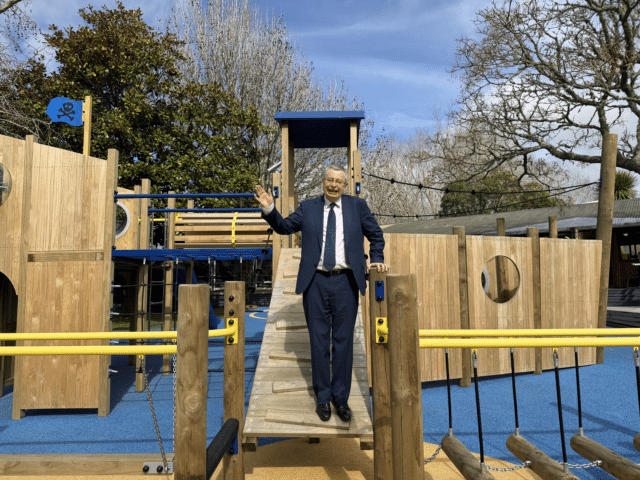
Of our two member schools in New Zealand when the trip was planned, one had left membership by the time I had arrived! I am nonetheless grateful to Patrick Gale, Head at King’s College, for welcoming me to the school and giving me a tour. King’s was another one of the 1921 original overseas members having been founded in 1896. Now a co-educational day and boarding school for around 1,200 students from Year 9 to 13, the school demonstrates the importance of HMC keeping in touch with schools, especially internationally, as well as demonstrating relevance and value. Originally from the UK, Patrick emigrated to New Zealand in 2003 and has been a distinguished leader of some of the country’s best (and largest) state schools before taking the reins at King’s this year. On his appointment, he asked his colleagues and governors about HMC, only to discover they didn’t know anything about it. Understandably, he cancelled the subscription. I hope my visit went some way to providing a little more context and the opportunities now open to King’s as HMC builds upon its global strategy. We would certainly benefit from the membership of such an historic school, excellent leader and vibrant community.
A more encouraging story emerges from my final school visit of the trip and currently HMC’s only member in New Zealand. Founded by a group of parents only 35 years ago, Pinehurst is now a thriving school of 1,200 boys and girls from Early Years to Year 13 on Auckland’s North Shore. Executive Head since 2023 is Mike Waller, who leads an ambitious and capable team including a couple of imports for the UK’s northwest, Dawn Sullivan, College Principal originally from Stockport and Sian Coxon, Primary Principal from Salford. Over lunch we had the opportunity to discuss the reasons for joining HMC and I was delighted to learn more of the school’s plans and keenness to contribute to the association. All students here study for Cambridge qualifications and academic standards are clearly high, though without losing sight of the importance of providing a holistic education across all key stages. The large number of students I met were delightful, welcoming and inquisitive.
In addition to visiting schools, one of the pleasures of international travel is the opportunity to meet up with colleagues leading or working in other associations. I have already mentioned Chris Duncan, AHISA’s CEO, who has been our guest at Conference over the last few years and who kindly invited Kate and me to dinner in Sydney. Shaun Rigby is Public Affairs and Comms Director at ISA (Independent Schools Australia) and gave me an excellent insight into the association’s recent advocacy work and their approach to political engagement. In New Zealand, it was a chance to catch up with Guy Pascoe, CEO of ISNZ (Independent Schools New Zealand), which functions as a single sector body representing schools, heads and governors. Again, social media allowed others to reach out and introduce themselves and I was particularly pleased to speak with colleagues working in tertiary education, including Prof Mathew White, Dean (International and Engagement) at the University of Adelaide and Prof Aaron Wilson, Head of the School of Education at Auckland University. As the impressions, reactions and followers mounted, so did the number of contacts and since returning to the UK, I’m pleased to say this has continued, with a zoom the other day with Prof Phil Cummins who leads the Sydney Character Initiative amongst other projects.
Overseas travel is not without its challenges and at such a distance there is a premium on filling every moment, but it is also an enormous privilege and both refreshing and exhausting in equal measure. Most important perhaps are the relationships Kate and I have fostered, the insights we have derived and the truly global perspective on education that is so readily appreciated by those we visited. We have been welcomed with enormous generosity, and I must end by thanking the schools, the secretaries and PAs, teachers and pupils and above all the Heads for allowing us to visit. The lesson of Dilworth will be my abiding memory from this trip and the brilliant work of Dan Reddiex. To borrow Auckland Grammar’s motto: Per Angusta ad Augusta or Through difficulties to greatness.


Date
12 October 2026
Share