
Blog
When parents ask AI, who answers? AI search and GEO for independent schools
Alex Vinall
Founder of Air Social
Read the blog
A family’s first impression of your school is increasingly written by AI. Here’s what that means for admissions, and what school leaders can do about it.
Think about how a family starts looking for a school now. Not with a page of links, but with a question: “What are the best co-ed boarding schools in the North for a sporty 13-year-old?”
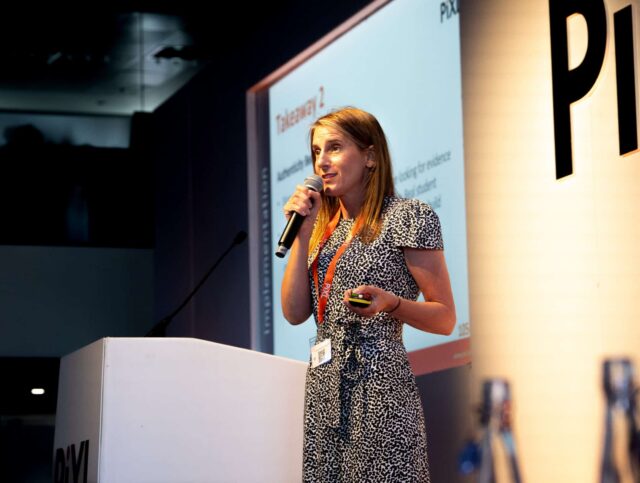
The answer comes back as a confident paragraph and a shortlist of three or four names, most schools aren’t mentioned at all. That shift is what I’ll be discussing with HMC’s Communications Committee this week.
What is GEO, and how is it different from SEO?
SEO (search engine optimisation) is about ranking in Google’s list of links. GEO (generative engine optimisation) is about being named, described accurately and recommended when AI tools such as ChatGPT, Perplexity and Google’s AI Overviews answer a question.
Good SEO is still the foundation, because AI draws on many of the same sources, but for schools, being found is no longer enough, you need to be in the answer.
Why does AI search matter for independent schools now?
This year’s ISC Census recorded a 3.5% fall in pupil numbers. The steepest drops, around 6.6%, came at Year 1 and Year 12 entry: exactly the points where families choose.
When fees rise, families don’t stop choosing. They choose harder, they compare more schools and ask more questions about value.
And, more of that research now ends with an AI answer. Pew Research Center found that when Google shows an AI summary, people click through to a website roughly half as often. Your website still matters, but increasingly only for the families an AI answer has already sent your way.
What does AI actually read about your school?
AI tools don’t make their answers up from nothing. They draw on what’s already out there: your website, Wikipedia, ISC and Good Schools Guide listings, inspection reports, school data sites and press coverage.
When we audit schools, we regularly find small things quietly working against them. A founding date wrong on a directory, the wrong inspectorate named on a review site, two different age ranges on the same page and even a former head still listed. In one instance, we even noticed exam results from 2019 still doing the rounds.
None of these is a scandal, and most can be fixed in an afternoon, but a parent asking ChatGPT has no way of knowing the answer they were given was built on a typo.

How are parents’ questions changing?
The DfE’s Schools White Paper doesn’t apply to independent schools, but it will change how parents weigh their options. By the end of December, state schools receiving the new Inclusive Mainstream Fund must publish an inclusion strategy. Families will get used to that clarity, and they’ll expect the same from you.
Then there’s the planned under-16 social media ban, expected from spring 2027. It makes phones, online safety and wellbeing a sharper point of difference than ever.
If your answers to “how will this school support my child?” and “how do they handle phones?” aren’t specific and easy to find, AI will fill the gap with whatever it can.
How can schools improve their AI visibility this term?
- Ask the AI yourself. Put five real parent questions into ChatGPT, Perplexity and Google: the kind a family would type, not your school’s name. Screenshot what comes back.
- Fix the facts. Check what Wikipedia, ISC, the Good Schools Guide and data sites say about you, and correct anything wrong.
- Answer parents’ real questions. Write about value, outcomes, SEND provision, wellbeing and digital policy in plain, specific language. Brochure phrases don’t get quoted, facts do.
- Use the head’s voice. In our experience, interviews, podcasts and considered articles from heads are among the content AI cites most.
- Give it an owner. Make one senior person accountable for how the school is described, with a check each term.
How do you know if it’s working?
It’s tempting to count how often ChatGPT mentions your school, but that number moves day to day and says little on its own. The better signals are the ones you already track: whether more families search for your school by name, and whether enquiries and open-day bookings rise.
Alongside that, re-run the same handful of parent questions each term. Note whether you’re named, how you’re described and whether the facts are right. Add “AI search” as an option when you ask new families how they first heard of you.
Families are going to ask AI about your school either way and the schools that do well will be the ones that have given it the right answer to find.
Alex Vinall is the founder of Air Social, an agency that helps independent schools become visible, understood, trusted and recommended across Google, ChatGPT and AI search.
Date
5 November 2026
Share


