Blog
Belonging at school

Kate Latham
Assistant Head: Academic and EDI Lead, Kimbolton School
Read the blog
Ensuring stated values translate into pupils’ lived experiences
In recent years, the language of belonging has become increasingly visible in schools, particularly as more pupils openly identify as LGBTQ+ and expectations around inclusion continue to evolve. Most schools now speak confidently about identity, diversity and community. The more searching question, however, is not whether we articulate these values, but whether pupils genuinely experience them each day.
At Kimbolton School, we have reflected carefully on what it means to foster pride, belonging and inclusion — not as abstract aspirations, but as lived experiences. Central to this work is our Learning DNA: a shared framework shaping how pupils learn, relate and grow.
Belonging, we have found, is built through hundreds of small, consistent signals. It is shaped by relationships, routines, language and expectations. Crucially, it must be intentional.
All unique, all united
One principle guides our approach: all unique, all united. Pupils arrive with different identities, strengths and starting points. Unity does not come from sameness, but from shared values and purpose.
By placing curiosity, kindness, confidence and integrity at the heart of school life, our Learning DNA provides a common language for belonging. Individuality is recognised and celebrated, while expectations around respect and contribution remain clear and consistent across contexts.
Where belonging is anchored in a shared framework rather than isolated initiatives, pupils experience coherence. They encounter the same values reinforced in classrooms, houses, sport and enrichment. That consistency matters. It signals that inclusion is not an addition to school life, but part of its fabric.
When pupils feel both seen and connected, they are more likely to take risks in their learning, engage fully and develop pride in who they are becoming.
Belonging as a pastoral priority
Belonging sits at the heart of effective pastoral care, particularly during moments of transition: joining a new school, moving year groups or navigating the social and emotional complexity of adolescence.
Pastoral systems are strongest when they build connection proactively rather than simply responding to difficulty. Structures such as form time, vertical relationships, co-curricular participation and shared rituals create opportunities for pupils to feel known and valued.
Just as important are the daily interactions between adults and pupils. The way staff listen, challenge and affirm communicates as much about belonging as any formal structure. When values are modelled consistently, pupils understand that they apply not only in theory, but in practice.
Inclusion in action
Inclusion is often discussed in policy terms, yet pupils experience it through everyday practice. Do they see themselves reflected in the curriculum? Is diversity treated as normal rather than exceptional? Are mistakes viewed as part of learning rather than something to fear?
By rooting inclusion within our Learning DNA, it becomes embedded rather than additional. Teaching, assemblies and enrichment are shaped by the same principles that underpin pastoral care.
This includes student-led initiatives such as KimUnity, a weekly group providing a welcoming space for LGBTQ+ pupils and allies. It is not positioned as separate from school life, but as part of a wider culture that encourages dialogue, understanding and respect.
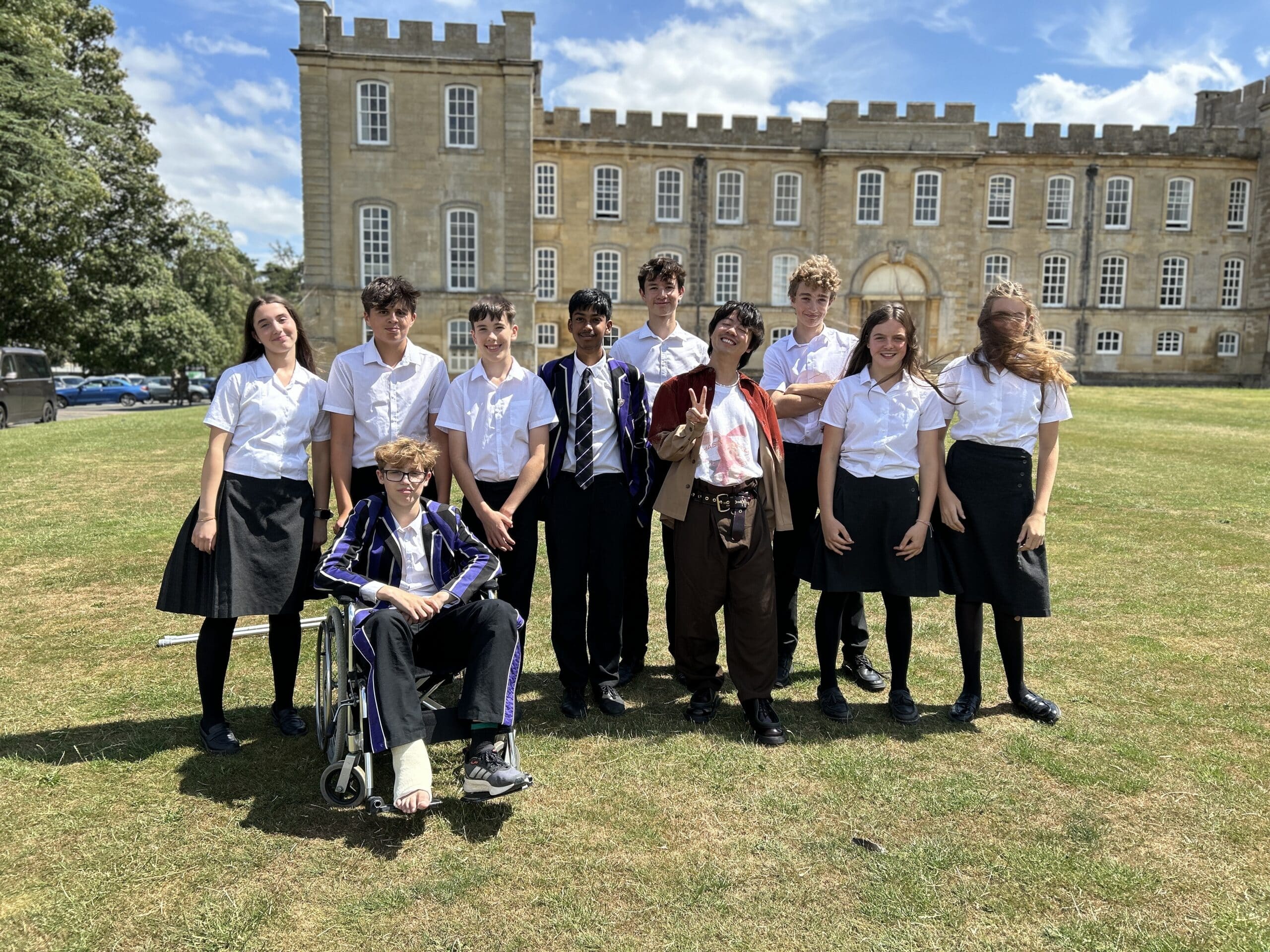
In June 2025, as part of our Pride programme, we welcomed Chinese British K-Pop artist Shao Hao for live performances and discussion around identity, mental health and discrimination. His openness offered pupils both affirmation and challenge — an opportunity to consider how inclusion extends beyond slogans into lived experience.
In the Prep School, younger pupils created a ‘Wall of Pride’, celebrating the qualities that make them proud to be themselves. Such moments may appear small, yet they contribute to a broader message: that belonging begins early and is reinforced often.
Inclusion is not static. It requires listening to pupils, families and staff — and a willingness to reflect honestly where practice may not yet match aspiration. It is an ongoing process rather than a finished state.

Pride, purpose and participation
When pupils feel that they belong, pride follows naturally — not only pride in achievement, but pride in contribution.
Belonging is relational. It carries responsibility: to contribute positively, to uphold shared standards and to support others. A school culture that values kindness alongside academic ambition helps pupils understand that community is sustained through participation, not simply presence.
Our Learning DNA makes this explicit. It connects identity with responsibility and individuality with shared purpose. In doing so, it reframes belonging not as a passive entitlement, but as something actively lived.
A shared reflection
Across the sector, many schools are rightly asking how belonging can be made more visible and more authentic.
What values shape behaviour when no one is watching? Where is inclusion embedded rather than added? How are pupils helped to understand not only who they are, but how they belong within a wider community?
When schools move from statements to shared frameworks and consistent practice, belonging becomes more than aspiration. It becomes daily experience — one that supports pride, inclusion and the flourishing of every pupil.
Date
27 February 2026
Share