Blog
Future proofing our students through Partnerships

Rob Southwell-Sander
Director of Partnerships, Abingdon School
Read the blog
At a time when schools are under pressure to justify the value of every area of school life, partnership work deserves to be seen not as an optional extra, but as a central part of a modern education. For HMC schools in particular, partnerships offer a powerful way to connect privilege with purpose, while also developing the skills pupils will need beyond school.
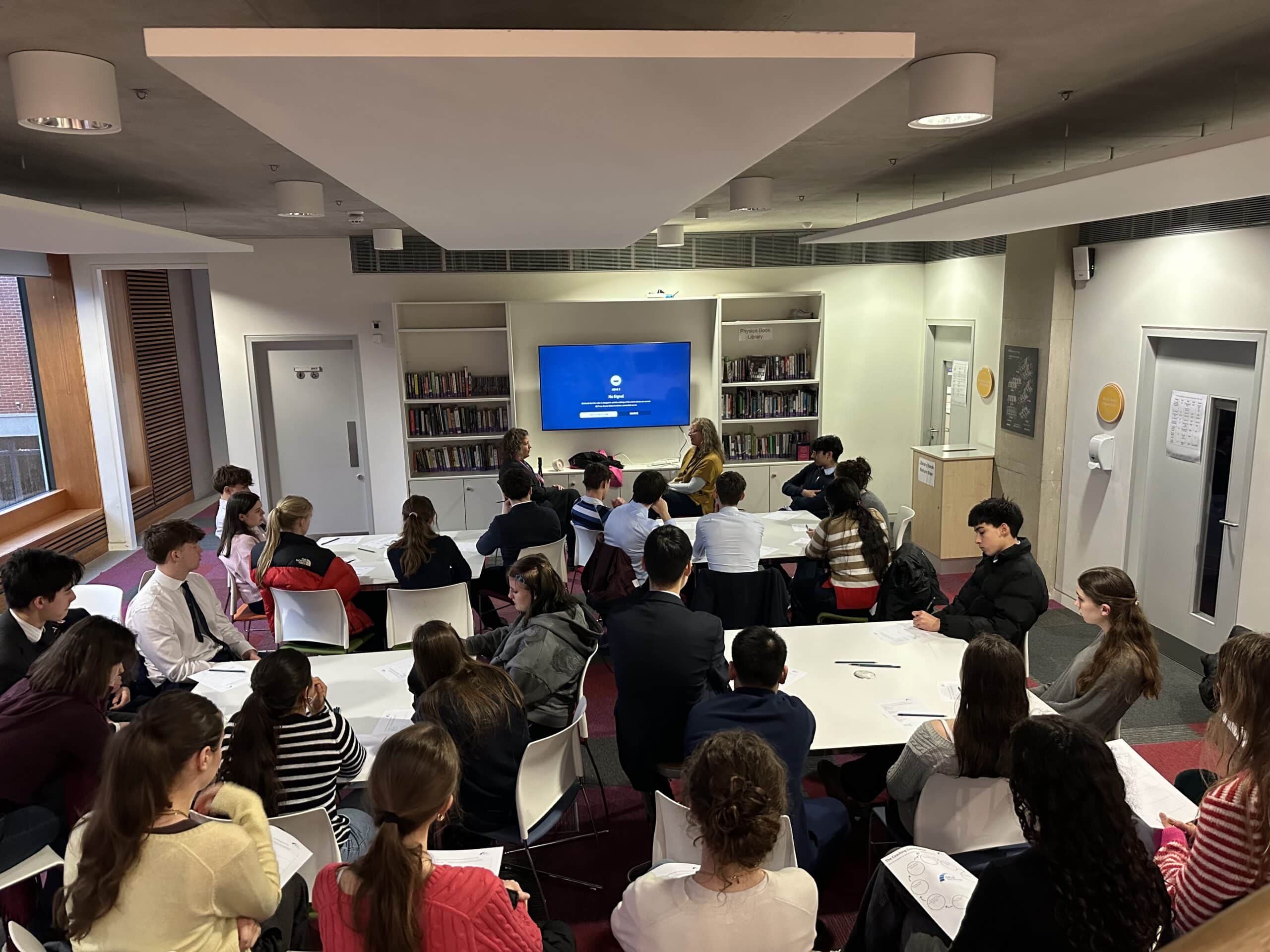
At Abingdon, partnership work has increasingly become one of the ways in which pupils learn to communicate, collaborate and lead. Through collaborative programmes – ranging from cross-school OX14 Learning Partnership events and primary school science and sports clubs, to student mentorship roles like Academic Coaching and Peer Support Leads, pupils are placed in real situations where success depends not simply on what they know, but on how well they can listen, explain, encourage and adapt.
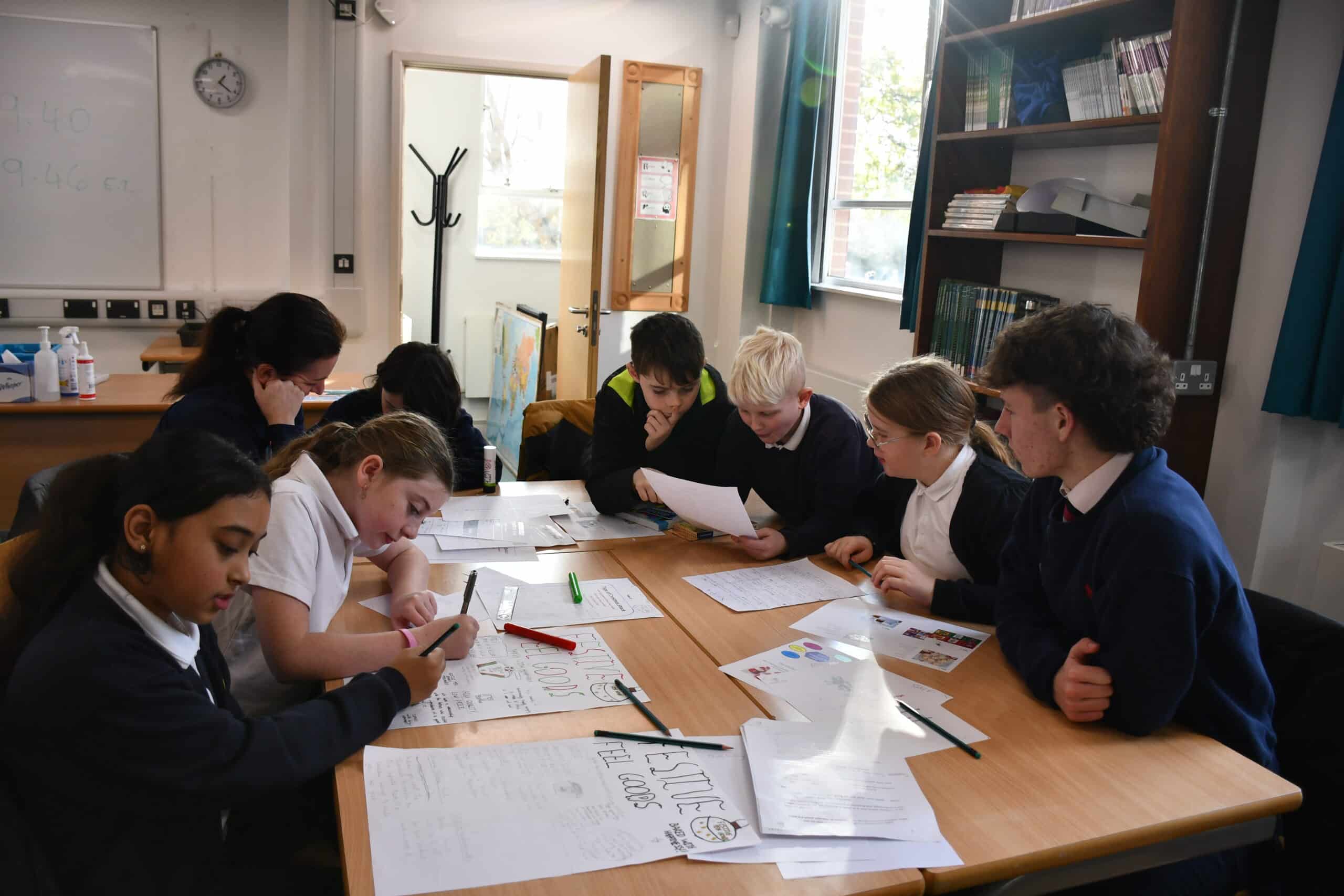
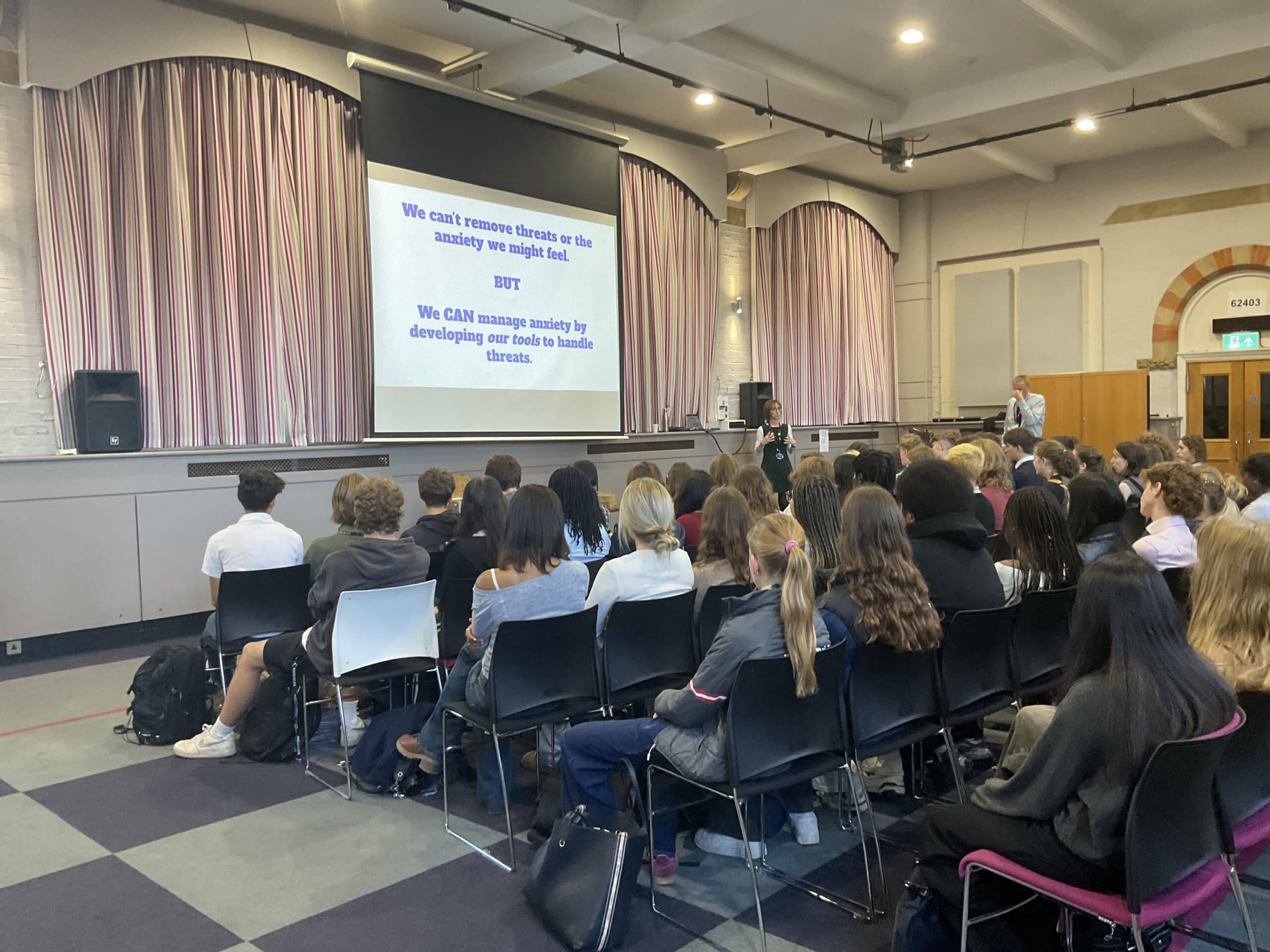
One of the clearest examples of this has been the role of our inaugural Abingdon School in Partnership Student Ambassador, Jacob. His role involved raising awareness, and communicating the value of partnership activity to staff, parents, pupils and the wider community, as well as collecting testimonies and helping to support visits and events..
What made Jacob’s experience so valuable was that it gave him a broad view of partnership in action. He observed activities ranging from maths competitions and primary science labs to topic mornings, business challenges and engineering events. In each setting, Abingdon pupils had to adjust their communication for a younger audience. Explaining air resistance through bin-bag parachutes, for example, required what Jacob described as “the art of simplification”: the ability to take a complex idea and make it accessible, engaging and memorable.

That skill is at the heart of good leadership. It is also exactly the kind of skill young people will need in the future. In a world shaped by artificial intelligence, automation and rapid change, technical knowledge alone will not be enough. Pupils will need confidence, empathy, the ability to work in a team, problem-solve and to build relationships across diverse groups of people.
Partnership work gives them repeated opportunities to practise these skills in authentic contexts.
Jacob’s own development shows this clearly. Through his ambassadorial role, Peer Support Lead training and involvement in student voice, he grew in confidence, organisation and independence. He learned to speak with unfamiliar people, represent a programme publicly and understand impact from multiple perspectives. By looking outward and documenting the success of others, he found his own voice.
For other HMC schools, there are important lessons here. Partnership does not have to begin at scale. A reading scheme, coaching programme, shared careers event, sports session, science club or student ambassador role can all be powerful starting points. The key is to give pupils genuine responsibility and to build programmes with partners, not simply for them.
The benefits are mutual. Partner schools gain enrichment, support and shared expertise. Younger pupils gain role models and encouragement. HMC pupils gain confidence, empathy, communication skills and a broader understanding of the communities around them.
Partnership, then, is not just about service. It is about formation. It helps pupils understand that leadership begins with listening, confidence can be learned, and education is most powerful when it is used in contribution to others.
Date
25 June 2026
Share