Blog
The Everest of Canoeing

Adam Williams
Headmaster, Lord Wandsworth College
Read the blog
Why the Devizes to Westminster race is the modern ultimate challenge we should all embrace
There are sporting challenges that test the body, and then there are those rare, muddy, sleep-deprived adventures that test the very fibre of a person. The Devizes to Westminster International Canoe Race – known with reverence, exhaustion and the occasional muttered oath simply as ‘DW’ belongs firmly in the latter category.
At 125 miles, beginning in the market town of Devizes and finishing close to the dignified gaze of Westminster Bridge, DW has been quietly forging character since 1948. Nearly eighty years of stories ripple along the Kennet & Avon Canal and the River Thames: tales of frozen fingers, heroic perseverance, and the occasional swan expressing its displeasure at being overtaken.
To the uninitiated, the premise sounds straightforward enough. Sit in a canoe with a friend. Paddle to London. How difficult could it be?
The answer, of course, is: magnificently difficult.
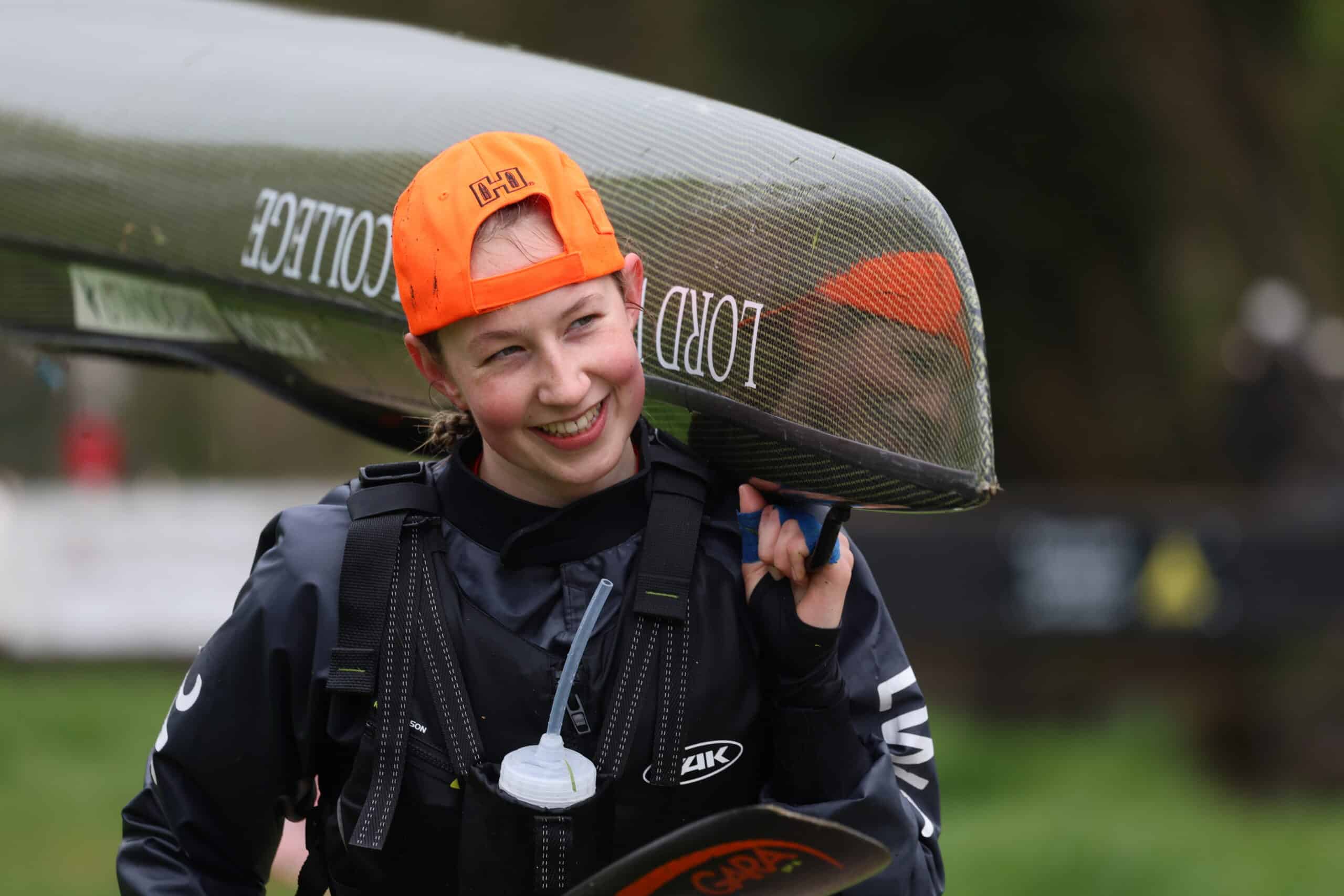
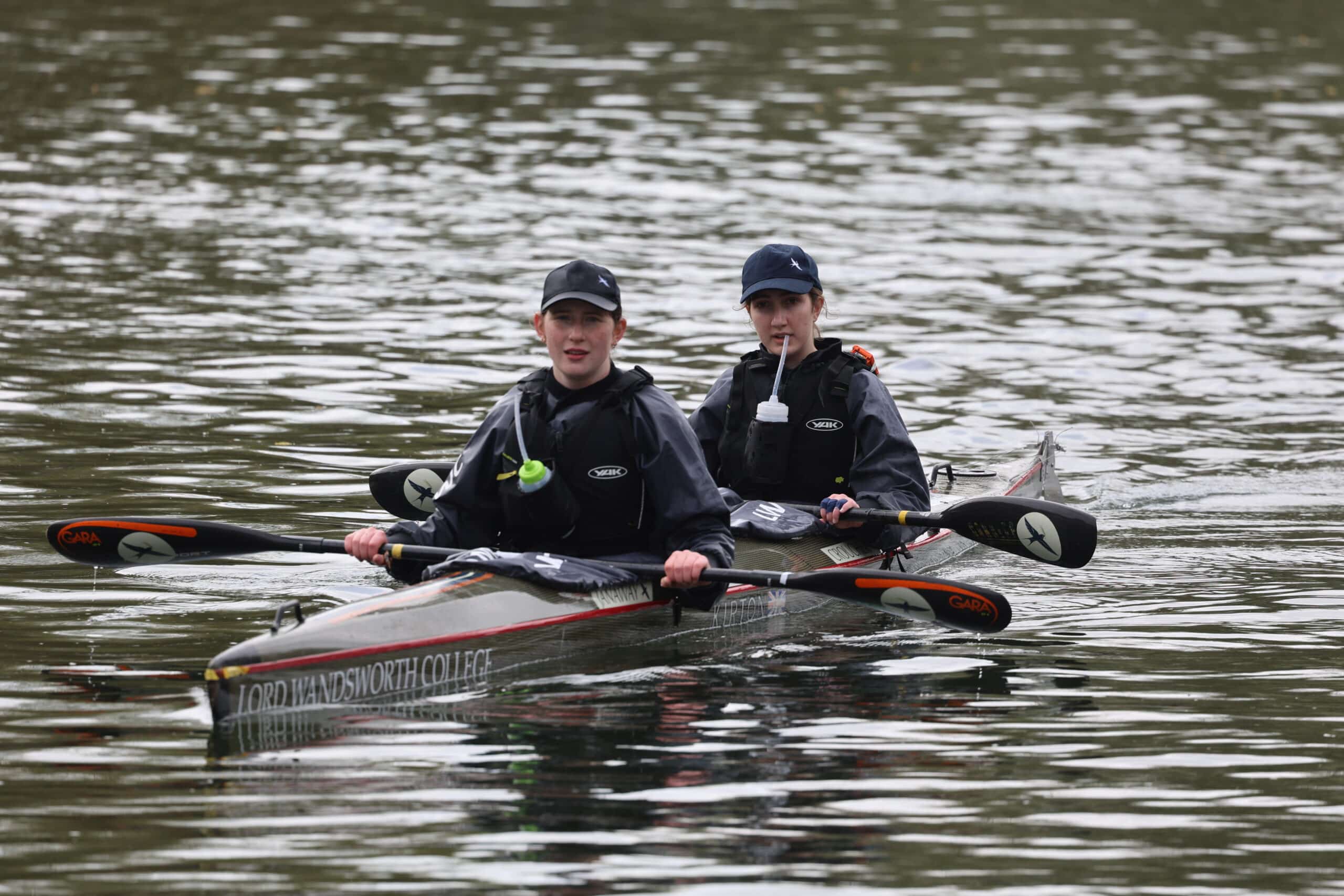
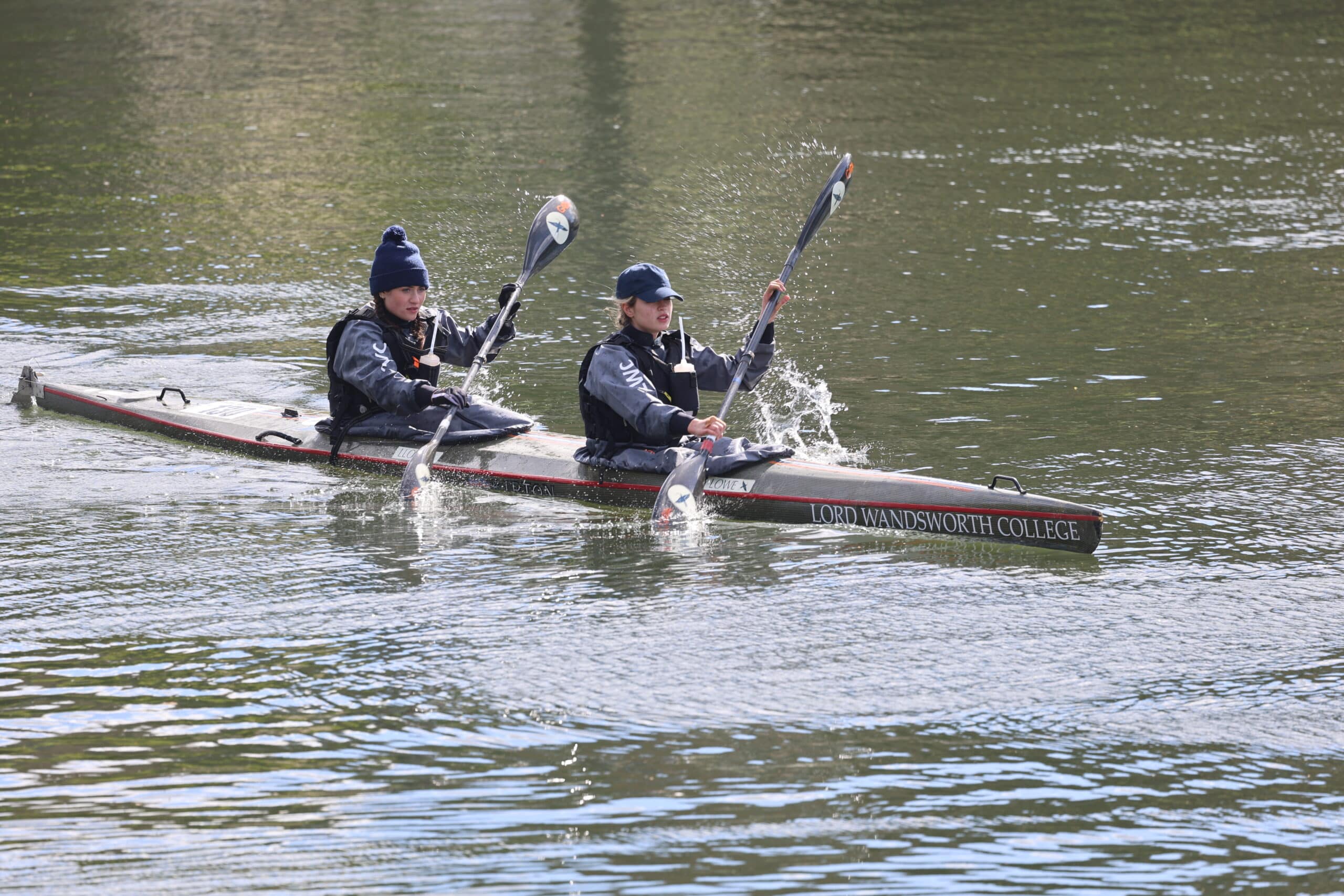
Between start and finish lie 77 portages, more than 100 locks, long stretches of river, and the peculiar mental arithmetic that occurs after 8 hours of continuous paddling when one is simultaneously convinced both that one cannot possibly continue and that tea will solve everything. Paddlers shoulder boats around locks, shuffle along muddy towpaths, and develop a profound respect for canal water which – unlike the paddler – never appears in a hurry.
For pupils, the appeal goes far beyond the romance of the challenge. Training for DW demands months of preparation: early mornings on cold water, strength sessions, technical paddling practice, and a gradual understanding that endurance is as much about the mind as the muscles. It teaches patience, teamwork and resilience in ways that few school sports can replicate. In fact, having seen it in action for a decade none, there are none.
Unlike most fixtures measured in minutes, DW unfolds over days. Pupils learn to manage fatigue, nutrition and pacing. They learn to work with a partner when both are tired, damp and quietly questioning their life choices. In doing so they develop something increasingly rare: resilience earned through effort rather than comfort.
Yet DW also offers something wider for schools and for the school community. It is, in many ways, a metaphor for education itself. A long journey requiring preparation, courage, support from others, and the determination to keep going when the destination still feels a long way downstream.
It is also an opportunity for us as a sector to step briefly outside the familiar rhythm of the weekly fixture list. DW invites collaboration rather than simple competition. Schools share knowledge, support crews of parents and staff swap advice in flooded car parks, and generations of paddlers exchange stories of locks, blisters and unlikely moments of joy somewhere near Pangbourne at dawn.
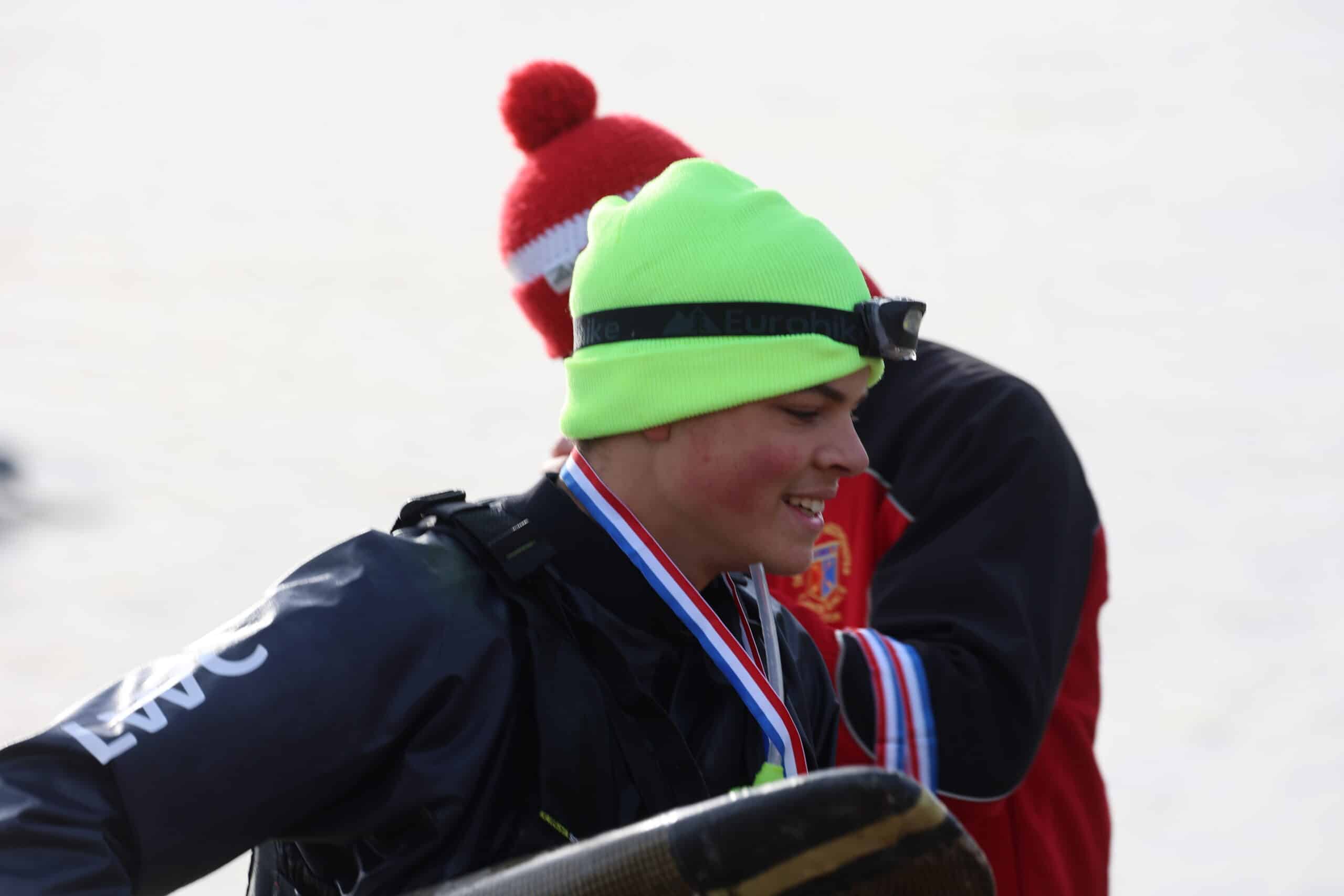
The medals are small, the applause modest, and the tiredness all-encompassing. Yet the rewards run deeper than a podium finish. This sport, this experience, is life-affirming and often life-changing. And it is gender irrelevant.
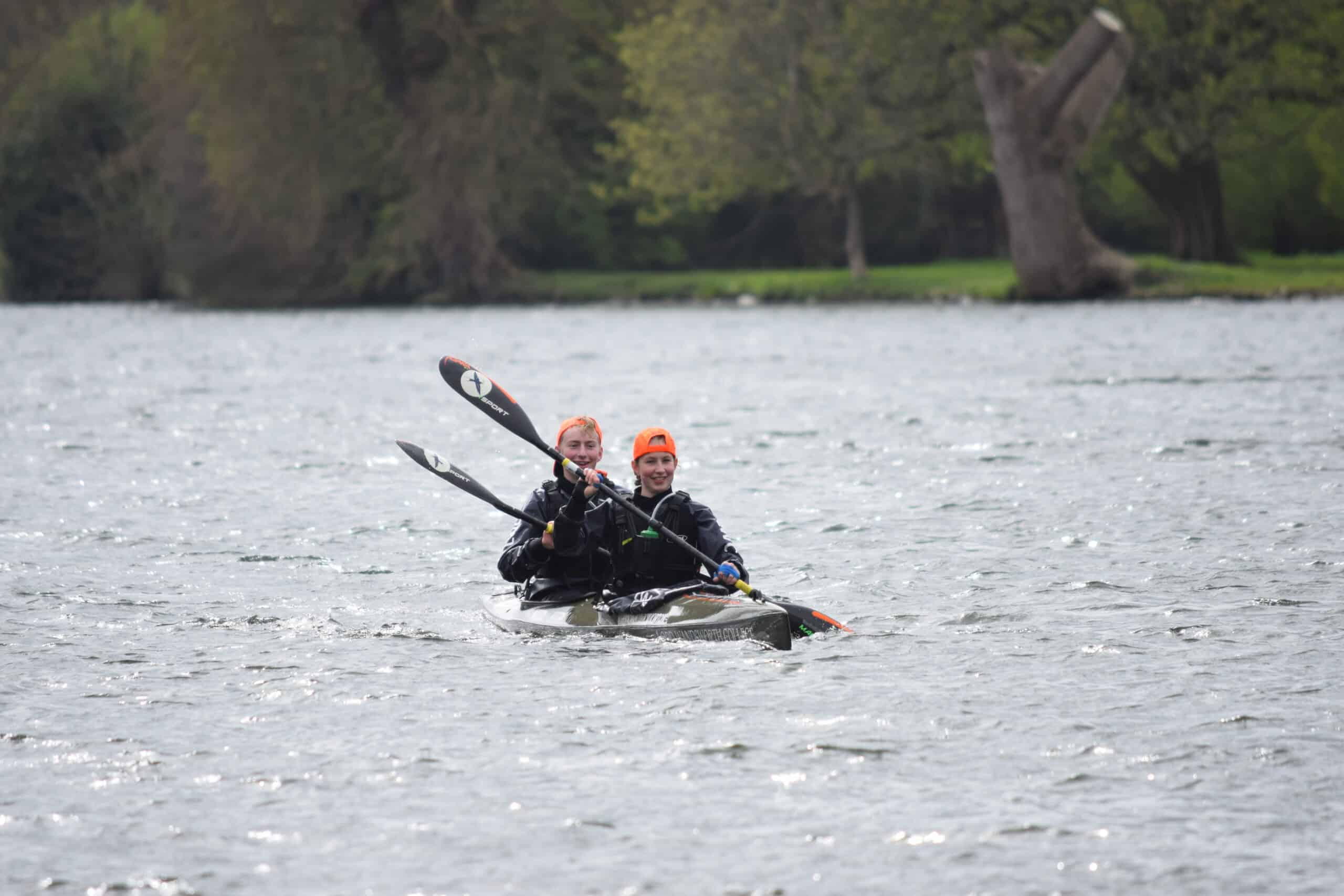
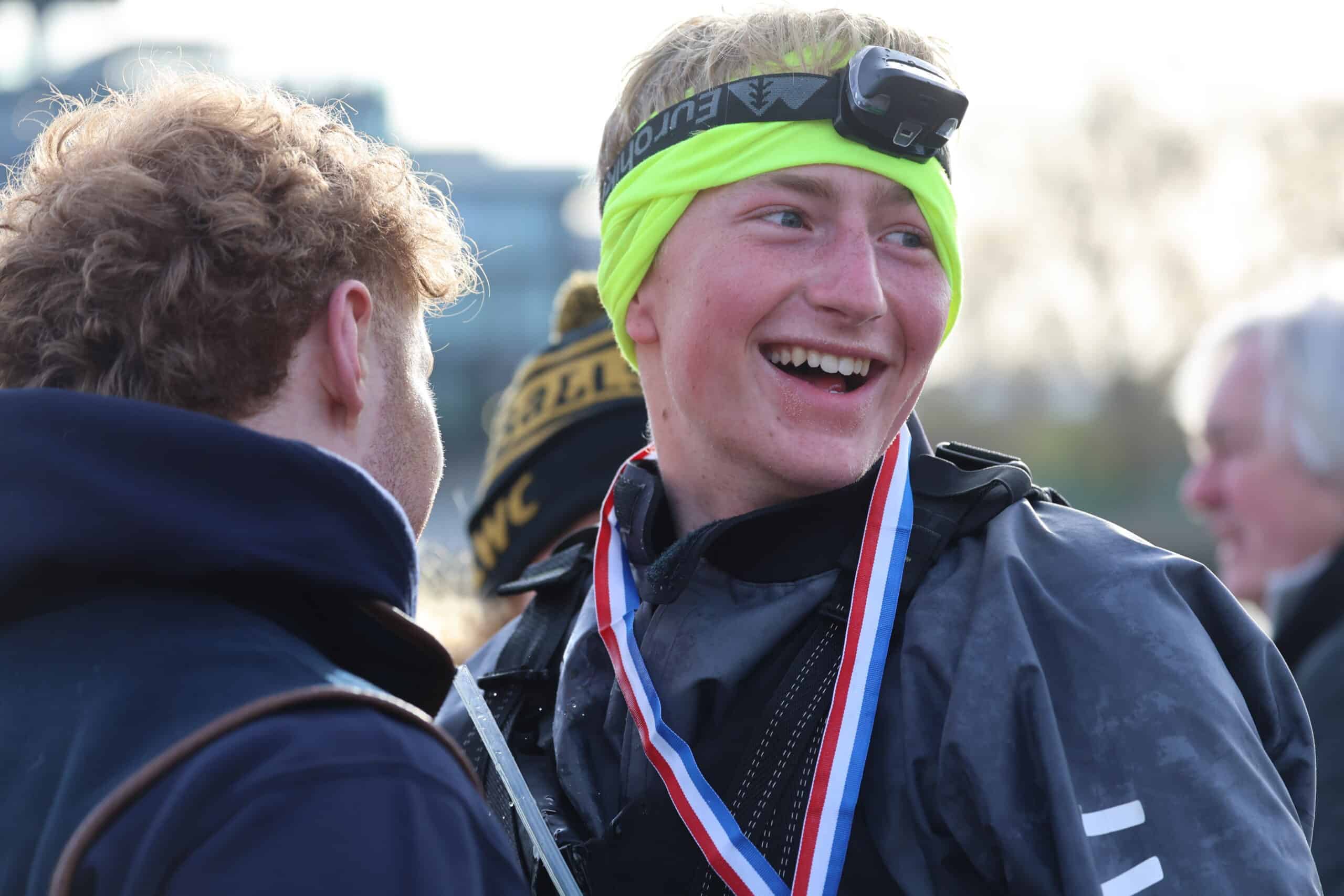
Of course, an undertaking of this scale demands care.
Schools approach DW with robust training programmes led by qualified coaches, progressive distance targets, and clear assessments of paddling competence. Buoyancy aids and safety equipment are mandatory, and pupils only advance once ready. And those schools who have embraced it for years are wanting to share their thoughts ideas, experience, paperwork and kit.
During the race itself, dedicated support crews monitor welfare, manage nutrition and rest, and maintain constant communication along the route. Safeguarding procedures, risk assessments, and the experienced oversight of race organisers ensure that challenge and safety sit firmly side by side. In fact, it is paramount.
Looking ahead, DW also presents a moment of opportunity. With an organising community that inevitably reflects a baby-boomer demographic, the time is ripe for the next generation of schools, coaches and pupils to step forward.
By doing so, we can help preserve and re-energise one of the most extraordinary endurance events in British sport.
In short, DW is not merely a race. It is a shared endeavour, a moving classroom, and a reminder that education, like paddling to Westminster, is about the long game.
And if, along the way, a few swans are mildly offended – well, that has always been part of the tradition.
The call to action is this:
Marathon canoeing and the DW needs our help as a sector to take this remarkable sport, this sense of endeavour, this ultimate challenge into the decades ahead. If you’d like to know more, please get in touch.
Date
18 June 2026
Share