Blog
National Festival of Languages 2027 – a blog
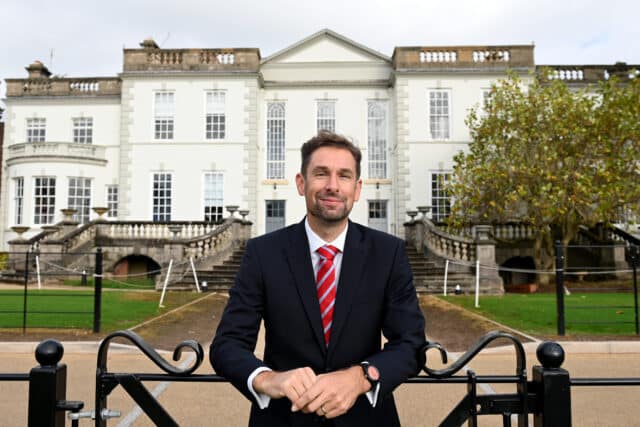
Charles Fillingham
Executive Headmaster, Solihull School
Read the blog
Let’s be honest, all of us run A level modern languages in classes which are smaller than we might like. The same could probably be said for classical subjects, music, art and others, but this blog is about the state of MFL and specifically about one thing that we can do to help.
The decline of modern languages is well-documented nationally. We think that we have difficulties, but the situation is considerably worse in schools where funding is tighter than in ours and we have all heard about courses being cut in local schools as well as departments being closed at a number of universities. What can we do? Collective hand-wringing is a popular response, anecdotes regarding the power of AI are frequently wheeled out, and we deploy shrugs because we know that canny pupils choose subjects where they think that they will thrive academically and which they think will lead them towards better paid jobs. These are not the answers that the pupils in our schools deserve to hear.
The team at the National Festival of Languages understands that it is quite a significant task to change the direction of the good ship MFL, we might not have all the answers, but we think that we can nudge the tiller just enough to avoid hitting the rocks, maybe to swerve the iceberg and perhaps even to set a course for sunnier climes. Teachers and headteachers hold positions of responsibility and influence – what we say and what we showcase matters. If we highlight modern languages, if we offer a window into careers and studies which feature languages, if we can fashion an event which gives our students a taste of success and fun, then we can empower them to choose MFL courses with confidence.
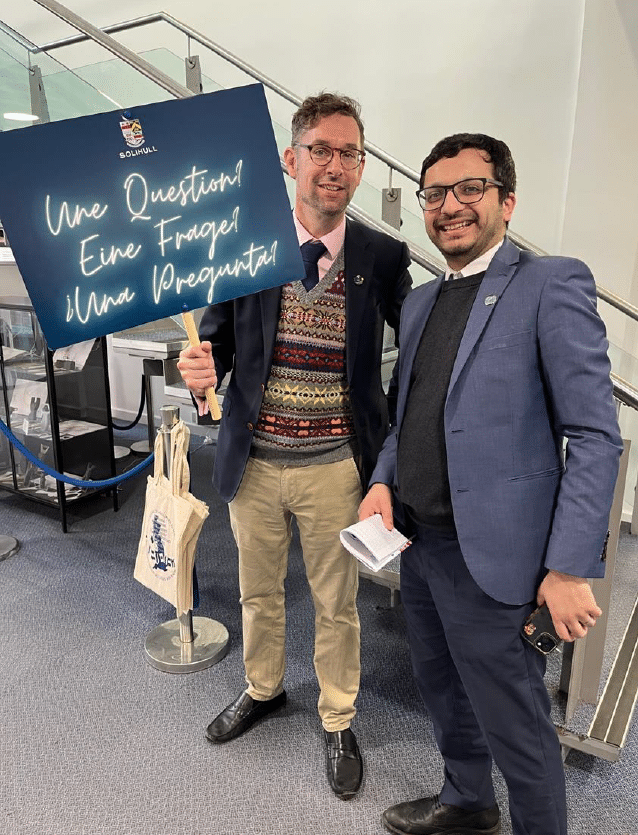
The Festival of Languages ran in 2025 at Solihull School in the West Midlands. We hosted 400 pupils and teachers from about 20 different state and independent schools on a memorable Saturday last March. There were university lecturers giving talks aimed at Year 12, but accessible to GCSE-level learners; there were keynote speakers from medicine and business who spoke about their use of modern languages, there was flamenco dancing, a French accordion player, a samba band, lessons in beginners Urdu, Mandarin, Serbian and Welsh, we had alumni back who were studying languages at university, lots of other stalls and stands as well as an ice-cream van in the quad. What’s not to like?
This is a fantastic partnership project, because every school in your area is scratching its head about MFL numbers. It boosts our own pupils to see learners from other schools who share their interest in languages, and it boosts our staff to interact with their counterparts from other local schools. This is an area without political down draughts where schools of every type can work together for the good of education. No point-scoring, no competition, just collaboration for the common good. What is more, the university professors who come will love speaking to a massive hall full of hundreds of potential undergraduate students rather than to a gathering of half a dozen Sixth Formers from just one school.
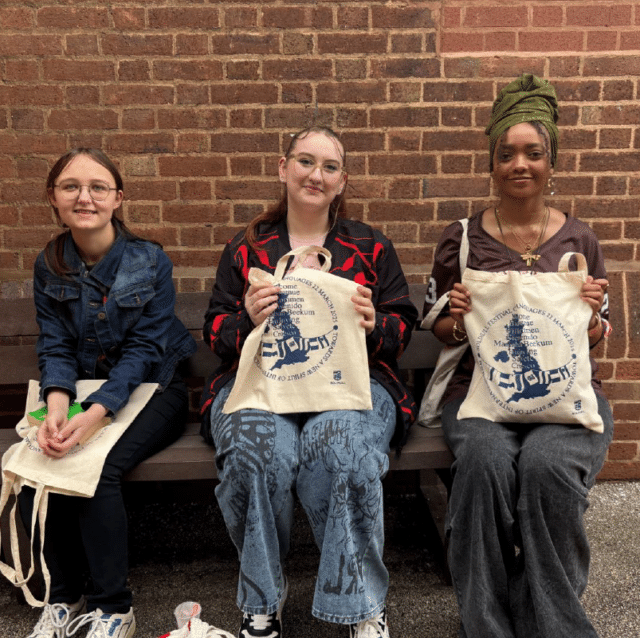
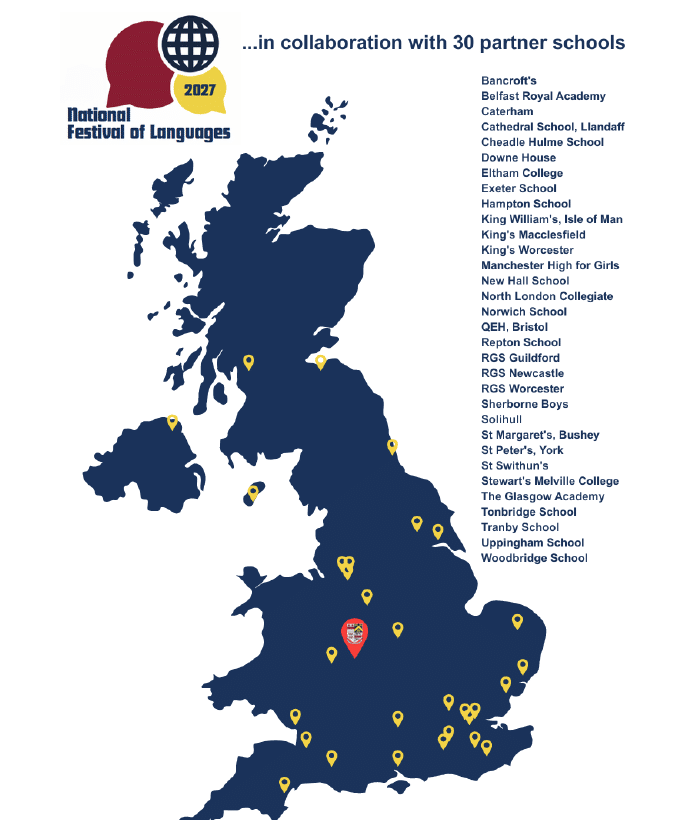
If we can do it in Solihull, so can others. The template is easy to follow, the logo can be tailored to your own school colours, the merchandise will be ordered centrally, a keynote address can be livestreamed from HQ to save duplicating work. Any day of the week and any date in June 2027 will be perfectly acceptable – let your event be bespoke to your circumstances and with a focus on the languages which you teach. Around 30 schools across the United Kingdom are already booked in as host venues for the National Festival of Languages 2027. This means that we are on track to be a force for good involving over 10,000 pupils. Again, what’s not to like?
Headteachers just need to give the green light and put their Head of Modern Languages in touch with me.
Charles Fillingham
Date
9 September 2026
Share